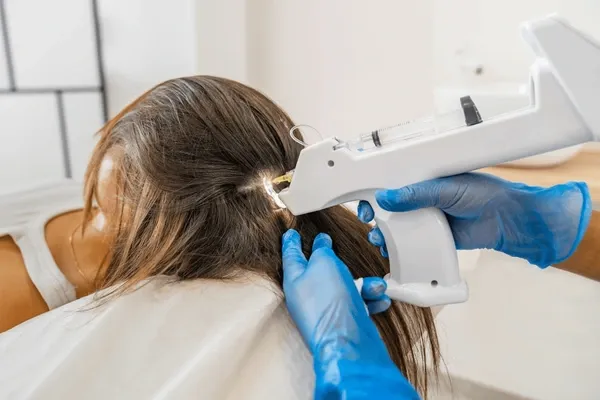
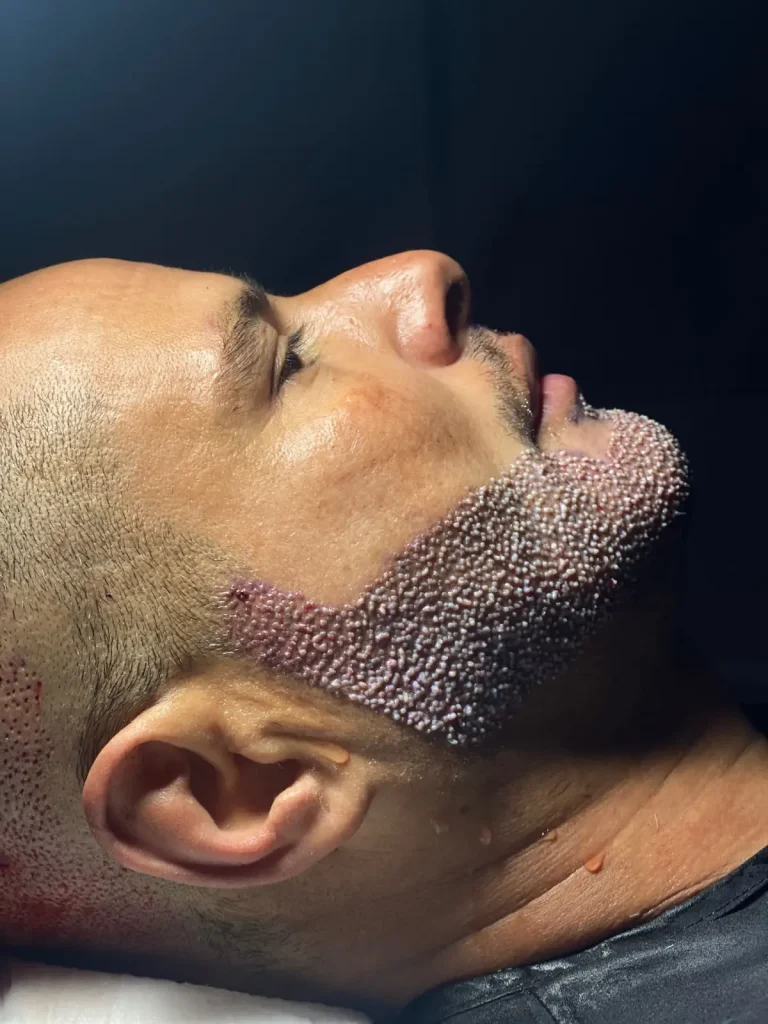
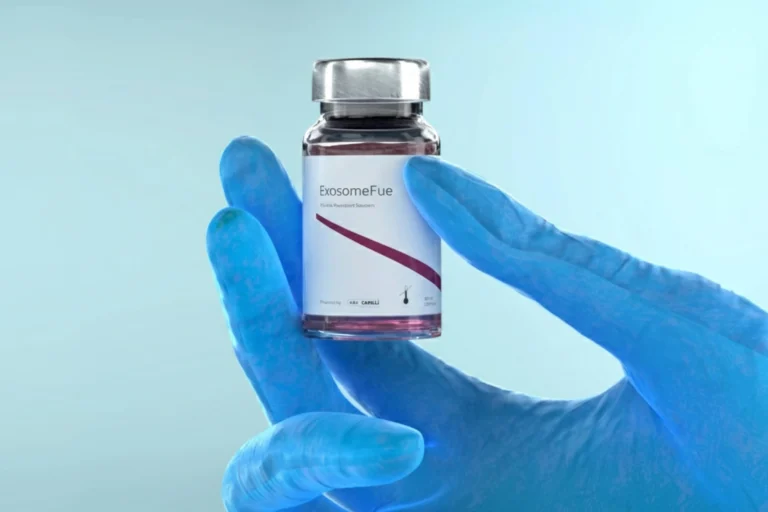
Sapphire FUE Hair Transplant
One of the most widely preferred hair restoration methods today. Sapphire FUE replaces traditional steel blades with sapphire-tipped instruments, creating ultra-precise channels for denser, more natural-looking results and faster healing.
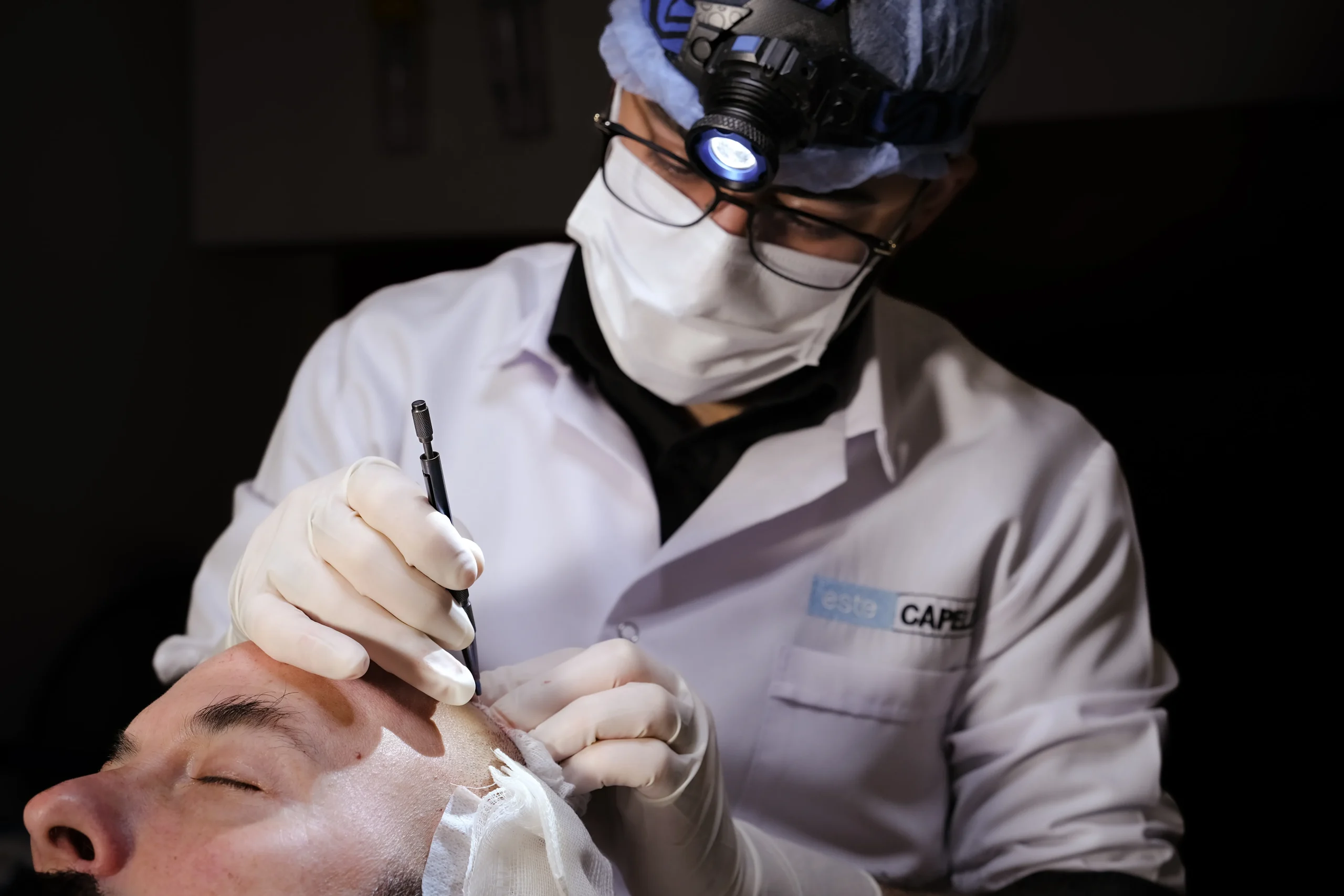
- Painless Anaesthesia
- 6–8 hrs Procedure Time
- Sapphire Blade Channel Opening
- Minimal Scarring
What is Sapphire FUE Hair Transplantation?
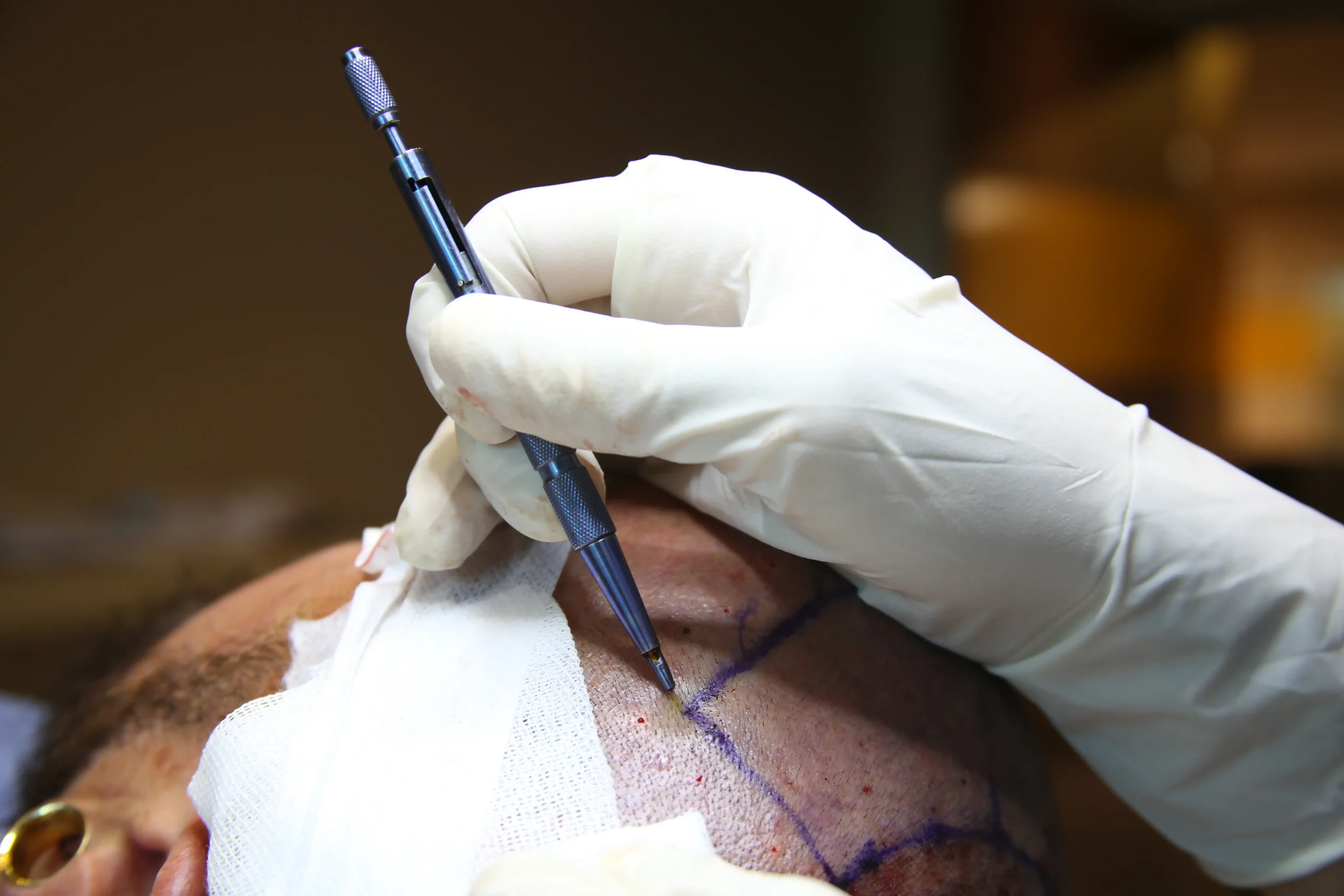
As technology has advanced, so have hair transplantation techniques. Sapphire FUE is a modern refinement of the classic FUE method in which the channels that receive the grafts are opened with blades tipped with a sapphire gemstone rather than steel. The smoother, sharper sapphire edge creates finer incisions, allowing grafts to be placed closer together at the correct angle and direction for a fuller, completely natural result.
How is Sapphire FUE Applied at Estecapelli?
Every procedure is built on careful planning and precise execution at each stage. Swipe through the stages below.
-
Stage 1
Consultation & Planning
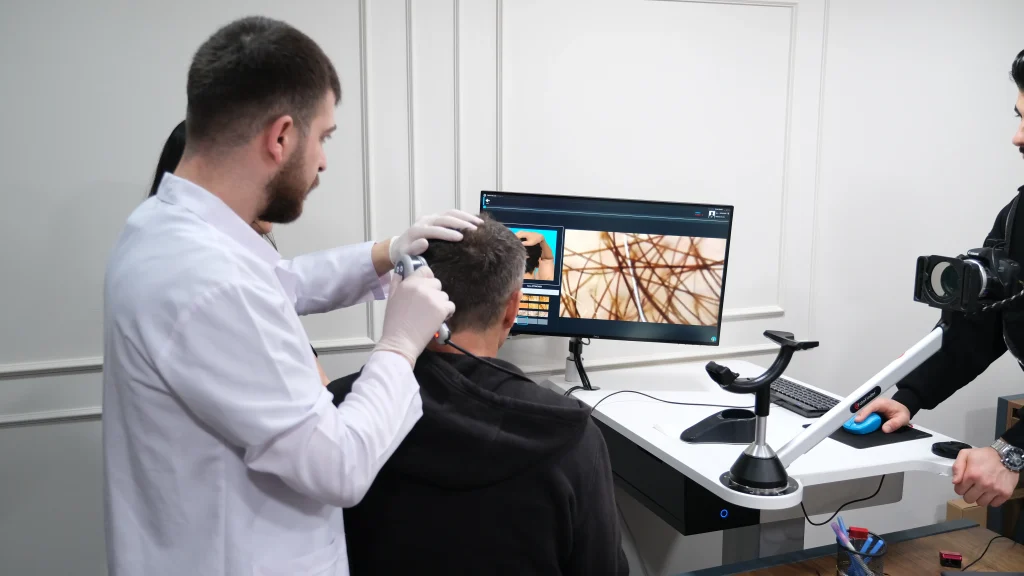
A comprehensive consultation and TrichoLab scalp analysis create the most accurate treatment plan based on your unique hair structure and goals. Your donor area is assessed, the number of grafts estimated and a natural hairline designed before anything else begins.

-
Stage 2
Painless Anaesthesia
Painless anaesthesia is applied to the donor and recipient areas so the entire session is comfortable and pain-free. You stay awake but relaxed throughout, and can listen to music or watch something during the procedure.

-
Stage 3
Graft Collection
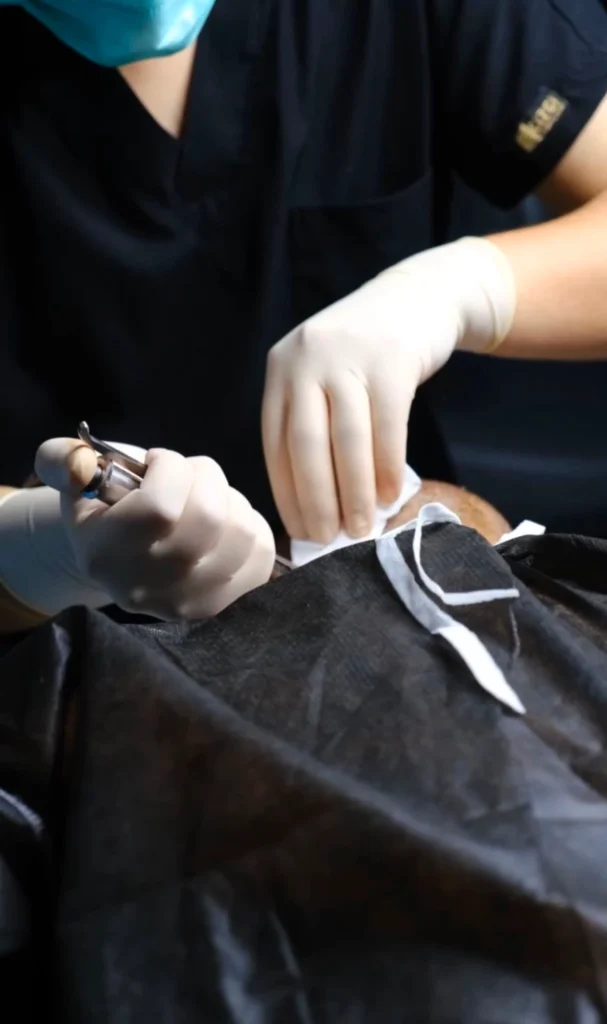
Healthy follicles are harvested one by one from the safe donor area at the back and sides of the scalp using ultra-fine micromotors. Each graft is carefully sorted and preserved to keep it strong and viable until it is implanted.

-
Stage 4
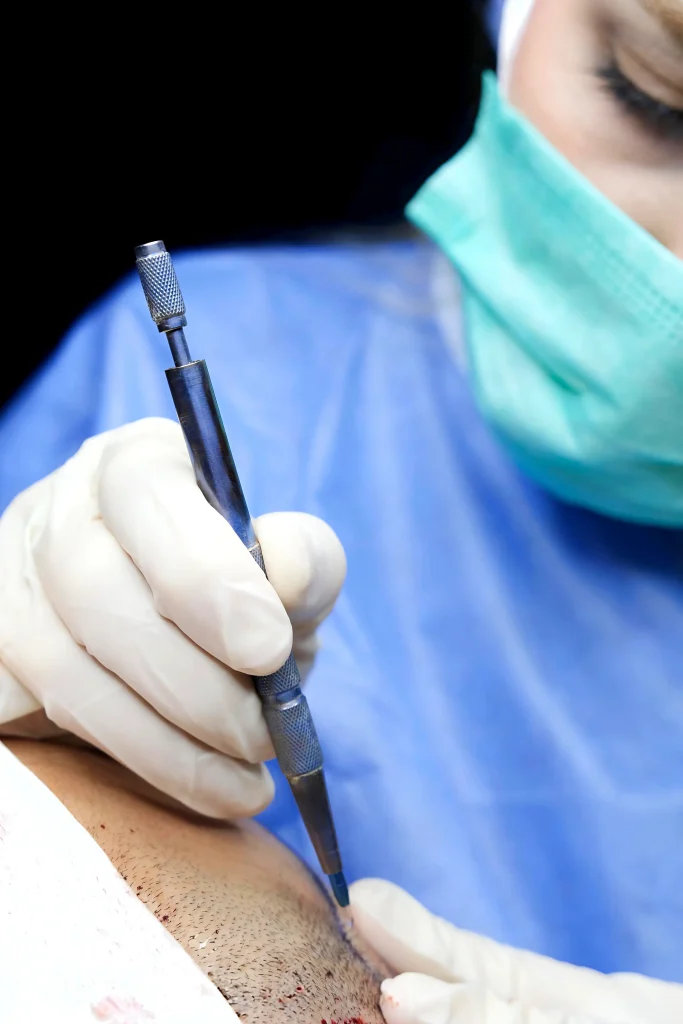
Sapphire Channel Opening
Channels are created with sapphire-tipped blades — the most decisive stage for natural density, angle and direction. The smoother, sharper sapphire edge makes finer incisions, so grafts sit closer together with less tissue trauma and faster healing.
-
Stage 5
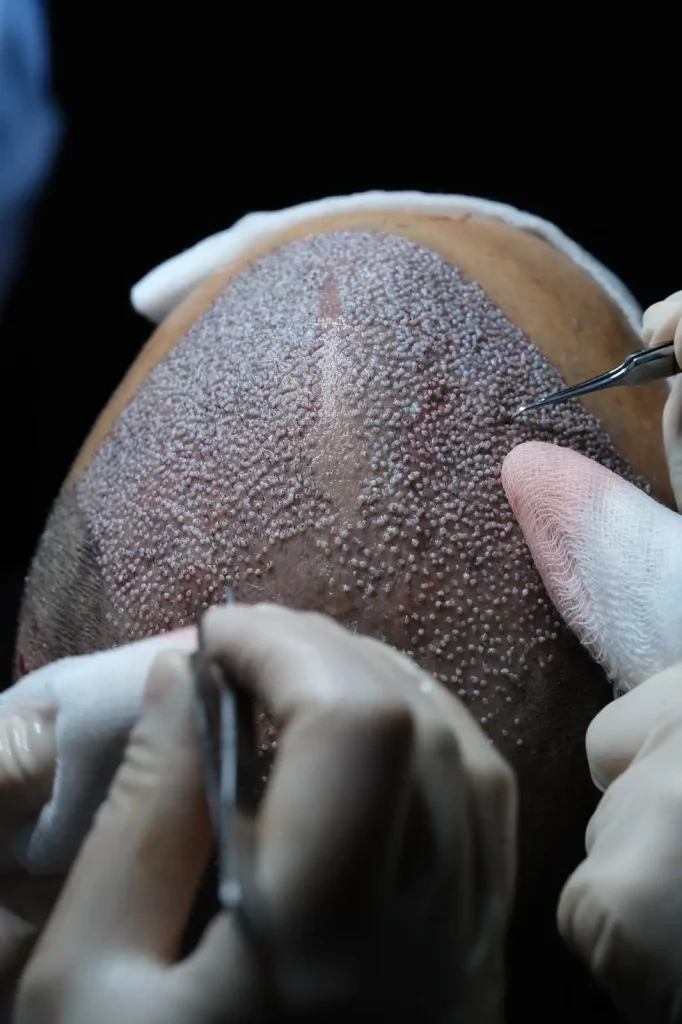
Follicle Implantation
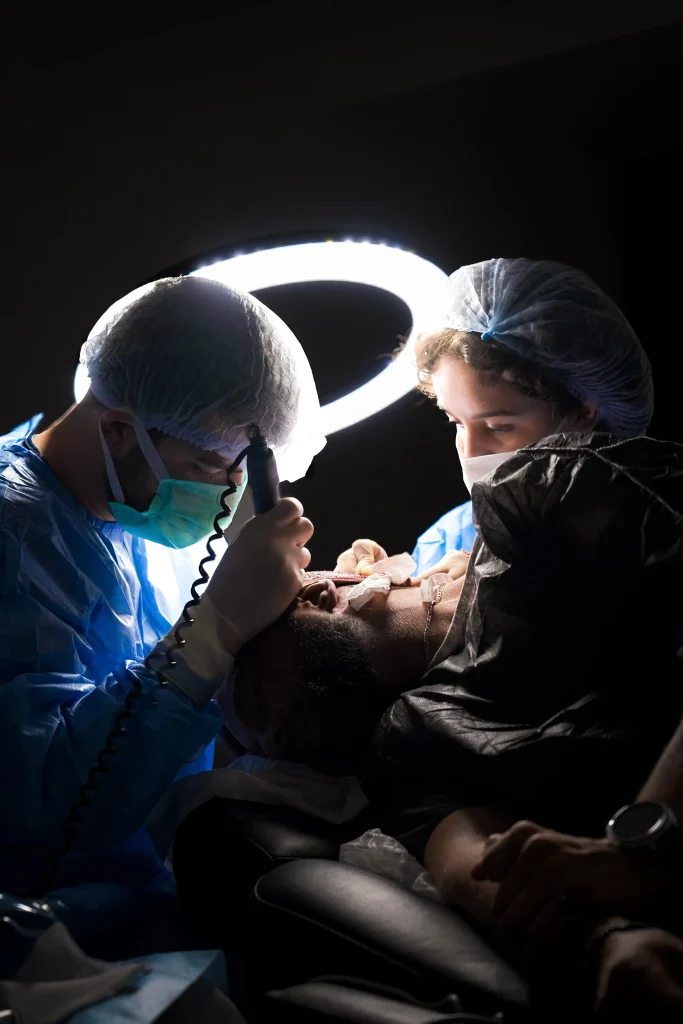
The harvested follicles are implanted one by one into the pre-opened channels at the correct depth, angle and direction. This precise placement is what delivers a full, completely natural-looking result that grows in seamlessly with your own hair.

Why Estecapelli & Turkey for Sapphire FUE
Sapphire technology, scientific planning and experienced teams come together to deliver results that last a lifetime:
- Permanent and reliable, natural-looking results
- High precision with sapphire-tipped blades
- Less tissue trauma and faster healing
- High density and a natural appearance
- Gentle, suitable for sensitive scalps
- Reduced risk of infection thanks to sapphire’s antibacterial properties
- Personalised planning with TrichoLab scientific analysis
What are the Differences Between Sapphire FUE and FUE?
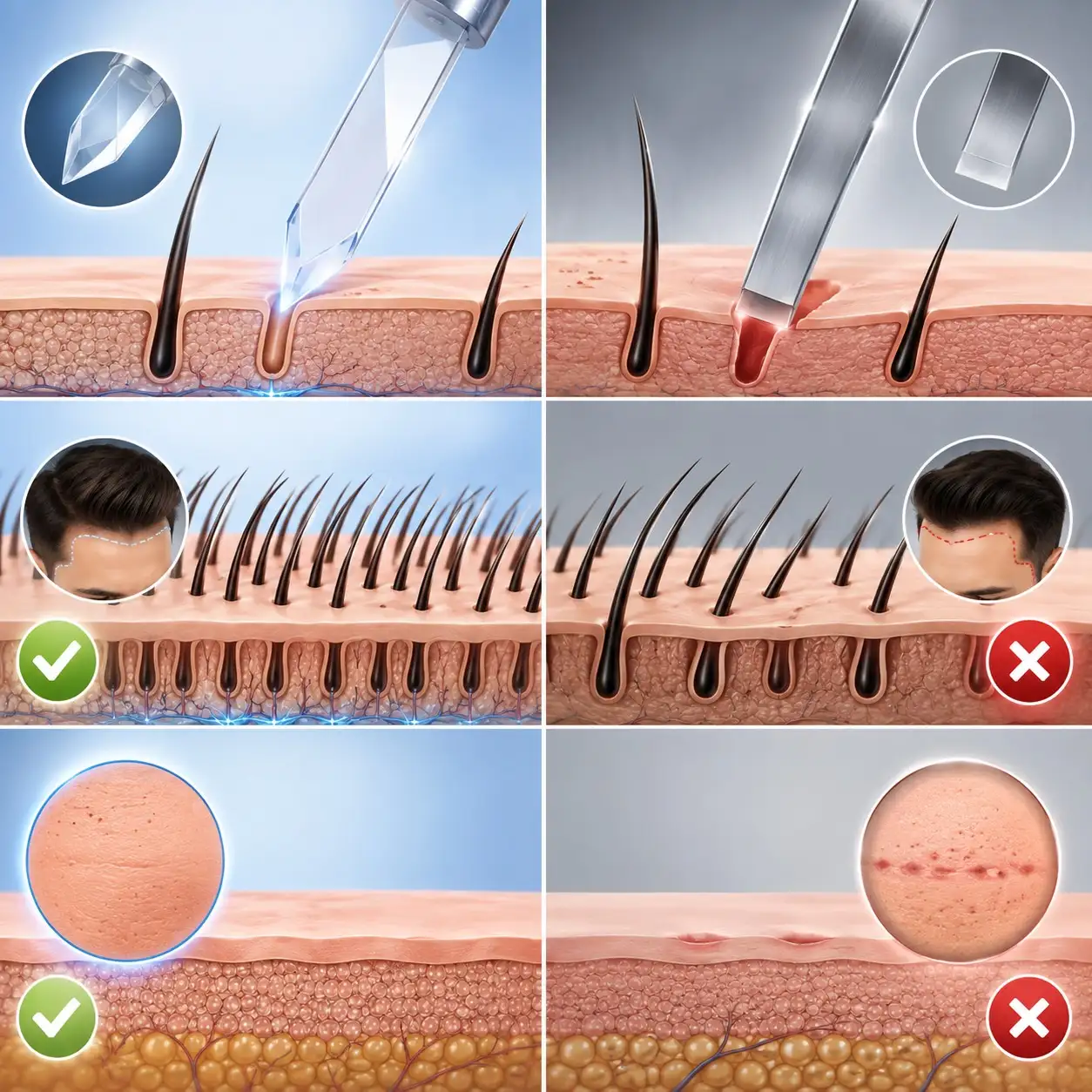
Sharp and Smooth Channels. While traditional FUE uses steel blades, Sapphire FUE creates ultra-precise channels with sapphire-tipped blades that stay sharp longer. This allows for smaller, cleaner incisions, minimising tissue trauma and bleeding. The precise placement of grafts ensures natural hair growth and density, while also promoting a faster, more comfortable recovery.
Natural Hairline. The Sapphire FUE technique is more effective than traditional methods in achieving a natural appearance. Sapphire blades create channels that consider the natural growth direction of hair follicles, giving the patient a more natural hairline. Additionally, maximum density is achieved, resulting in a fuller appearance.
Less Scarring. Sapphire FUE leaves less scarring compared to traditional techniques. Because sapphire blades maintain their sharpness, the incisions are smaller, resulting in minimal scarring after the healing process. These marks disappear quickly.
Who Can Undergo a Hair Transplant?
Age. There is no strict age limit for hair transplantation, but candidates are generally over 25, when hair loss patterns become more predictable. That said, hair loss can be advanced even at 22–24, so the extent of a patient’s hair loss is just as important as age when planning a transplant.
Donor Area. A successful hair transplant requires healthy hair follicles that can be safely harvested. The primary donor area is usually the back and sides of the scalp, where hair is genetically resistant to thinning. In some cases, when additional grafts are needed, chest or beard hair can also be used. The quality and density of the donor area determine how many grafts can be transplanted.
Type of Hair Loss. The cause of your hair loss is an important factor in determining your suitability. The best candidates are typically those with male or female pattern baldness, as this type usually affects only certain areas of the scalp rather than all of it, so the donor area is likely to remain unaffected. Other types, such as alopecia, require a more specialised evaluation.
Health. For an effective hair transplant, you should not have any medical conditions that could affect the procedure or healing process. Examples include:
- Uncontrolled diabetes, which can slow wound healing
- Severe heart or liver problems, which may complicate anaesthesia
- Active scalp infections or skin diseases in the donor or recipient areas
- Autoimmune disorders that can interfere with hair growth
Sapphire FUE Recovery Process: What to Expect
First days and weeks: Mild redness and swelling are normal and subside quickly.
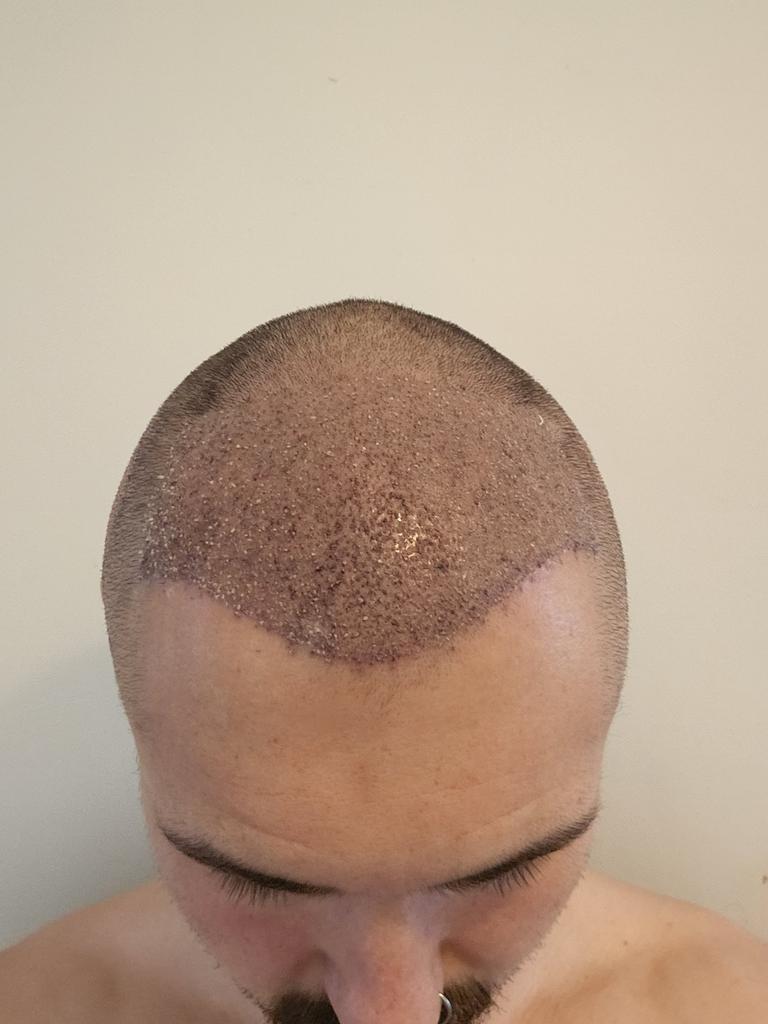
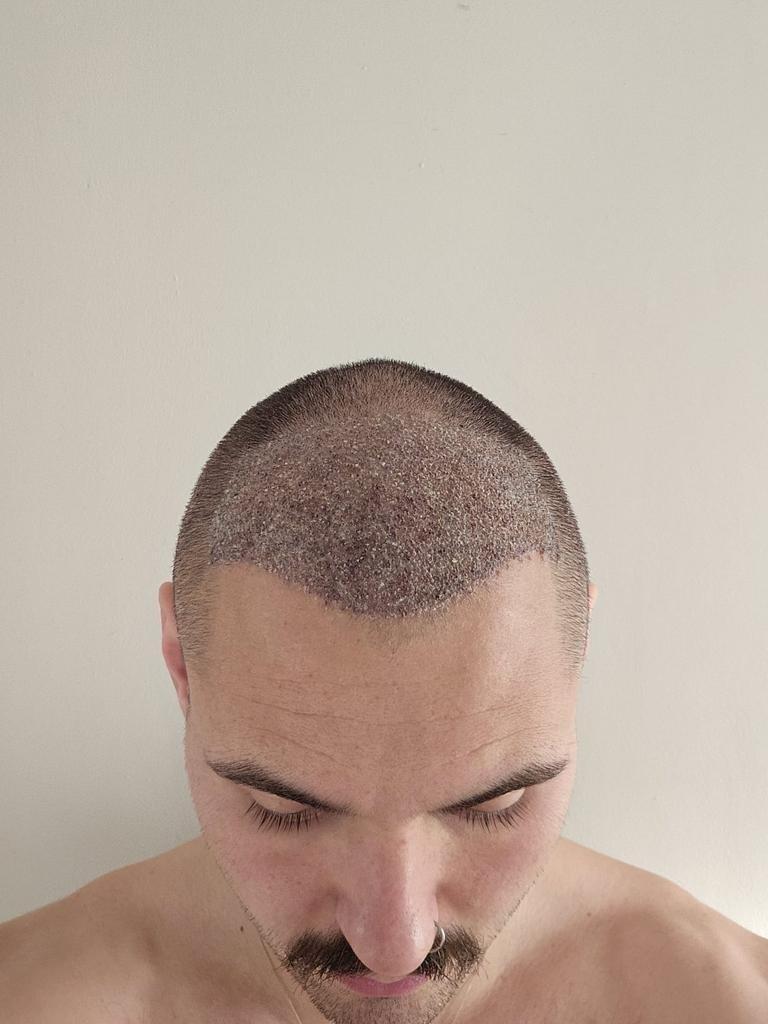
Days 7–14: The scab-shedding phase is a natural part of healing; small scabs loosen around day 7–10 and fully come off with gentle washing between days 10 and 14.
Months 1–3: Temporary shock shedding may occur as follicles adapt — completely expected and harmless to the follicles.
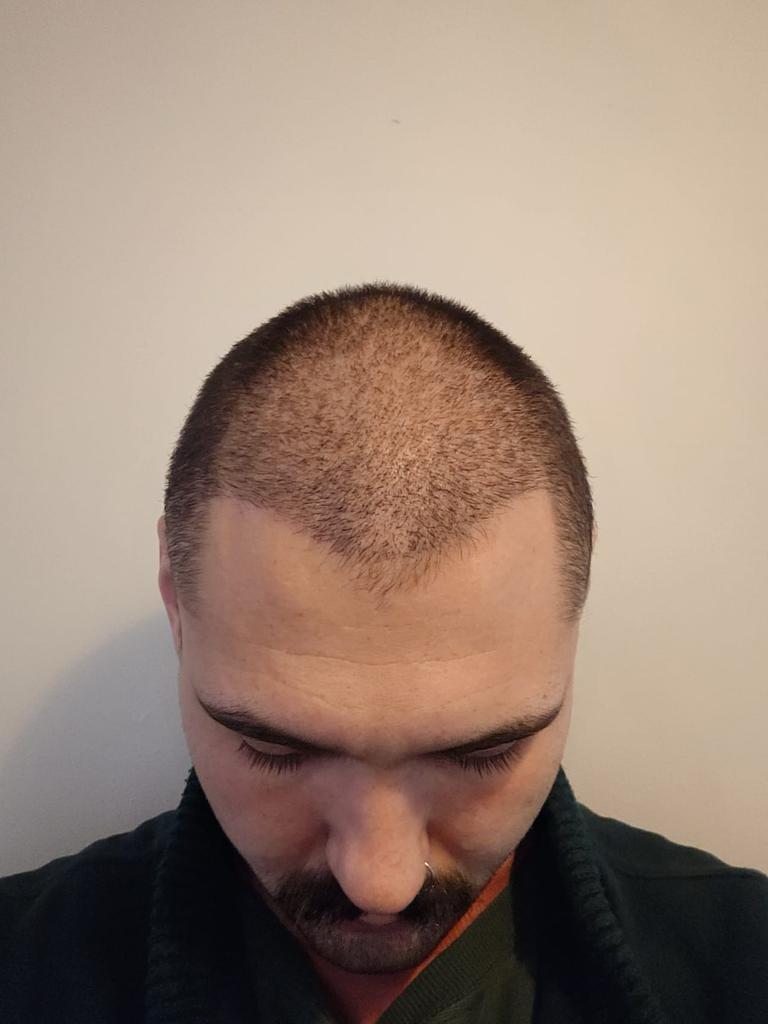
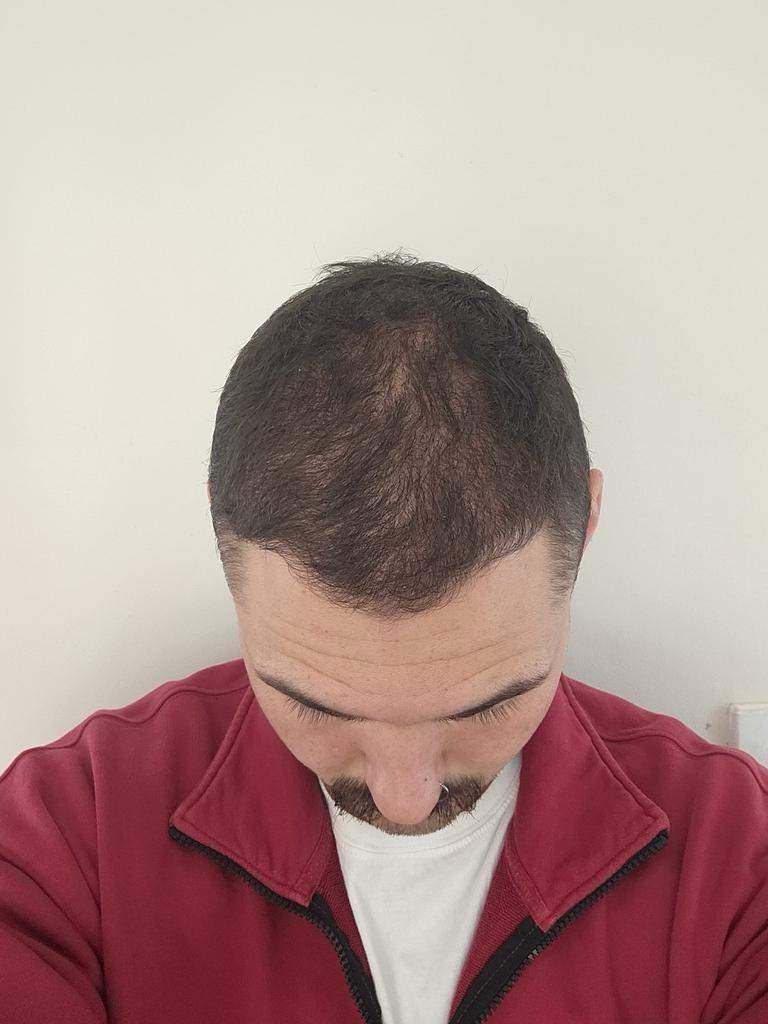
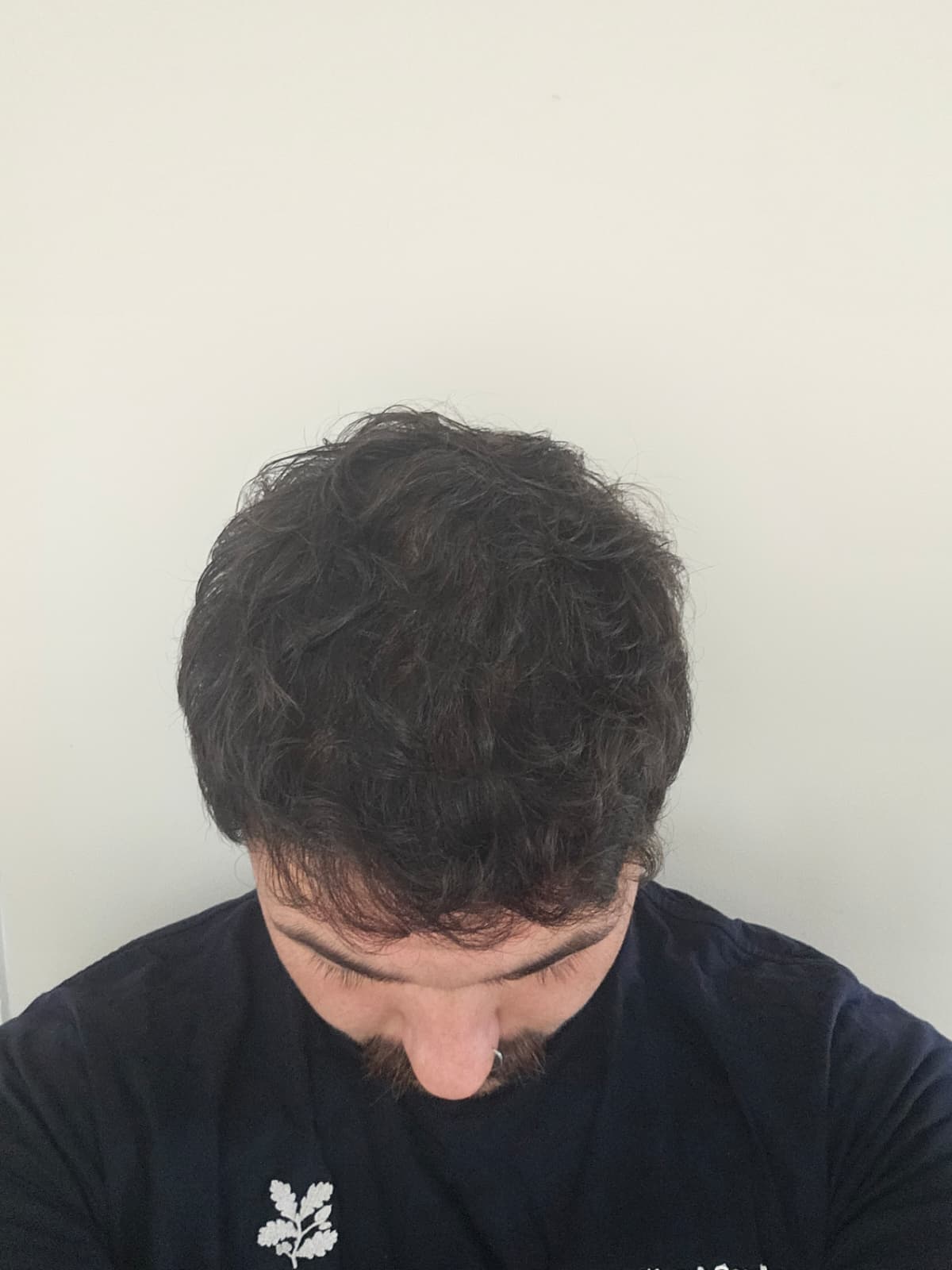
Months 3–12: New growth begins around month 3–4; density gradually increases and by 12 months the results are fully visible — thicker, natural-looking and permanent hair, supported by our follow-up team every step of the way.
Sapphire FUE — Frequently Asked Questions
What is the difference between Sapphire FUE and standard FUE?
Both use the same follicle-by-follicle FUE method; the difference is the blade. Standard FUE opens the recipient channels with steel blades, while Sapphire FUE uses sapphire-tipped blades that stay sharper and create smoother, smaller incisions. That means grafts can be placed closer together for higher density, with less tissue trauma, a more natural hairline, minimal scarring and faster healing.
Am I a good candidate for Sapphire FUE?
The best candidates are generally over 25 with male or female pattern hair loss, a healthy donor area at the back and sides of the scalp, and no medical condition that would affect the procedure or healing. Because sapphire blades are gentle, it also suits sensitive scalps. A free consultation with photos confirms your suitability and estimates the grafts you need.
Does it require shaving, and how long should I stay in Turkey?
Sapphire FUE usually involves shaving the donor and recipient areas to give the surgeon full precision, though partial-shave options can be discussed at your consultation. Most patients stay in Turkey for around three days, including a first wash and aftercare briefing before flying home.
Is Sapphire FUE painful, and what is recovery like?
The procedure is performed under local anaesthesia, so you feel no pain during the session, which typically lasts six to eight hours. Mild redness and swelling settle within a few days, and small scabs shed with gentle washing between days 10 and 14. Most people return to desk-based work within a few days, avoiding strenuous activity, sun and swimming for the first couple of weeks.
When will I see the final result, and is shedding normal?
The transplanted hairs often shed in the first weeks — this "shock shedding" is completely normal and expected. New growth begins around months three to four, noticeable density develops by six to nine months, and the final, fully matured result appears at about twelve months.
Are the results permanent and natural-looking?
Yes. The follicles are taken from areas genetically resistant to hair loss, so they keep growing permanently. The sapphire channels follow your natural growth direction for a completely natural hairline and density — you can cut, wash and style the hair normally. Existing non-transplanted hair can still thin over time, so supportive care may be advised to protect the overall look.
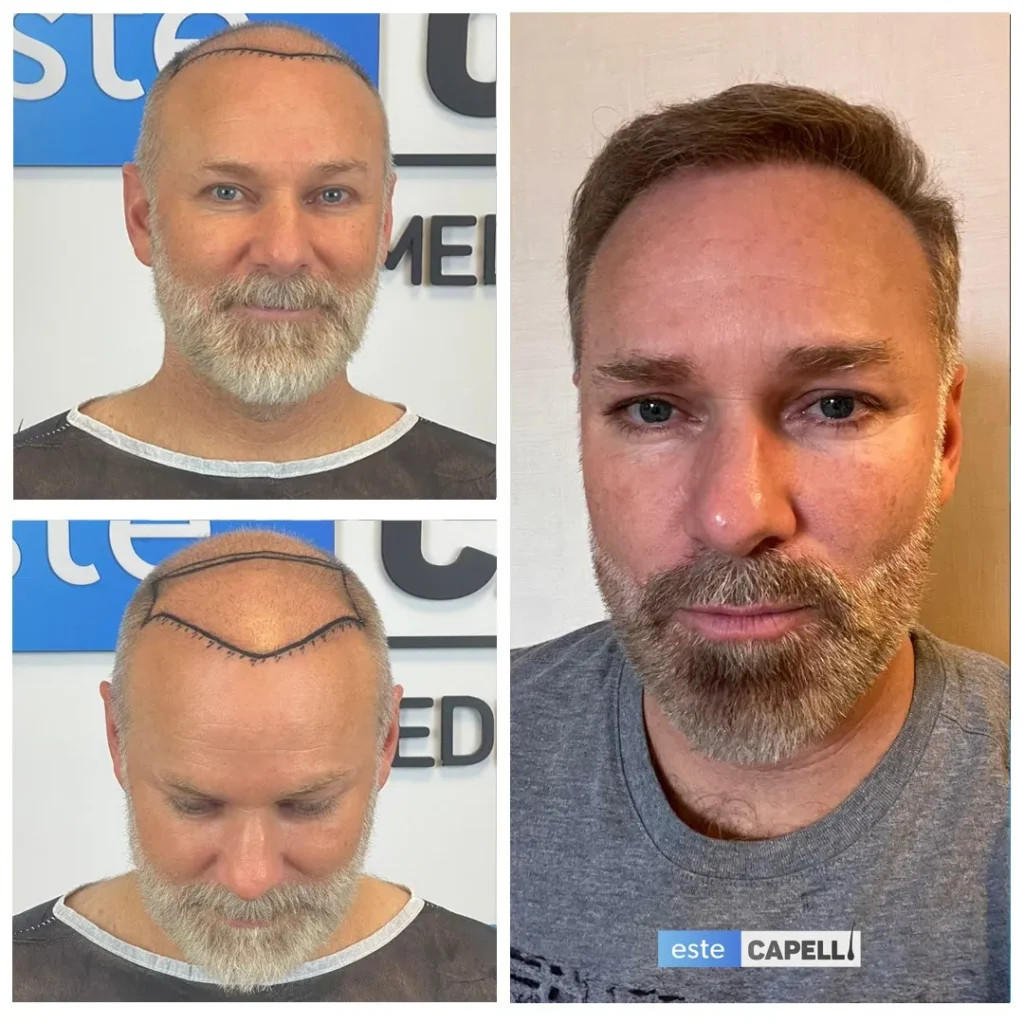
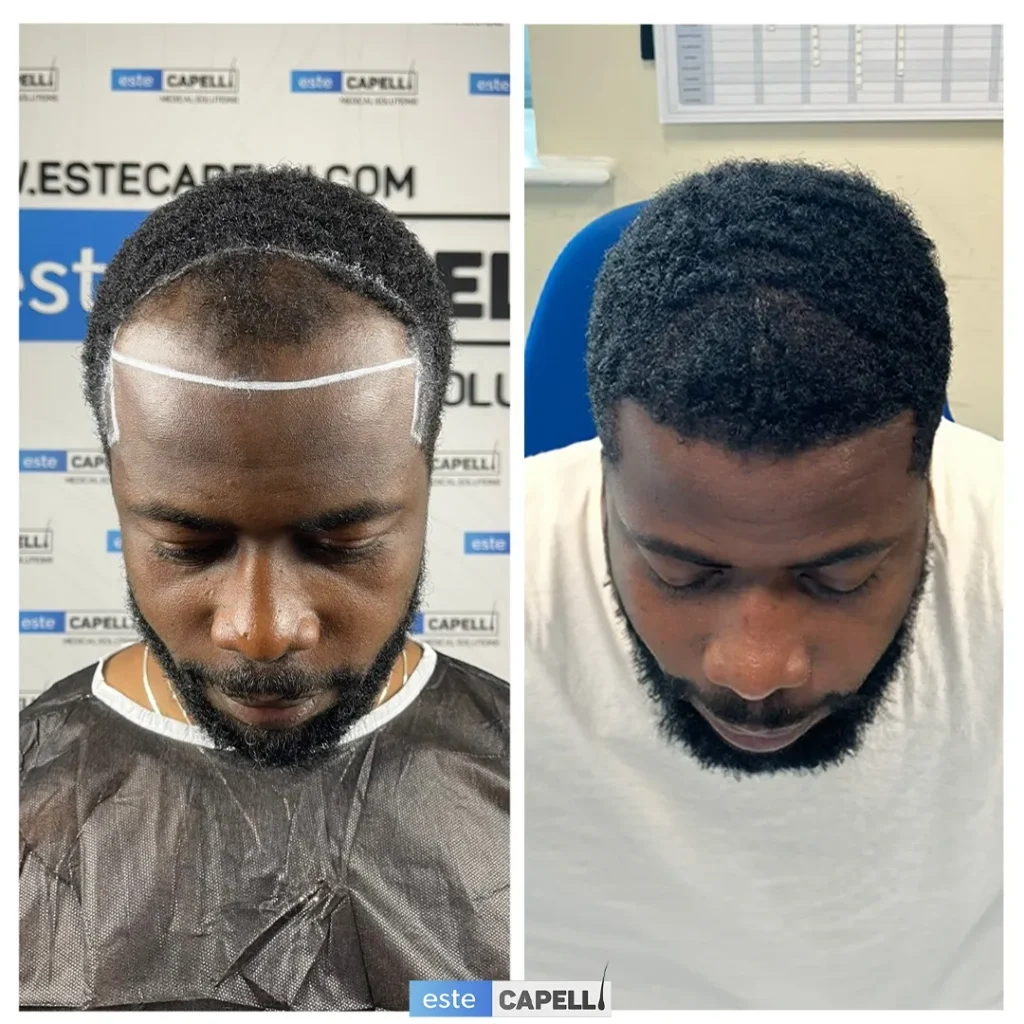
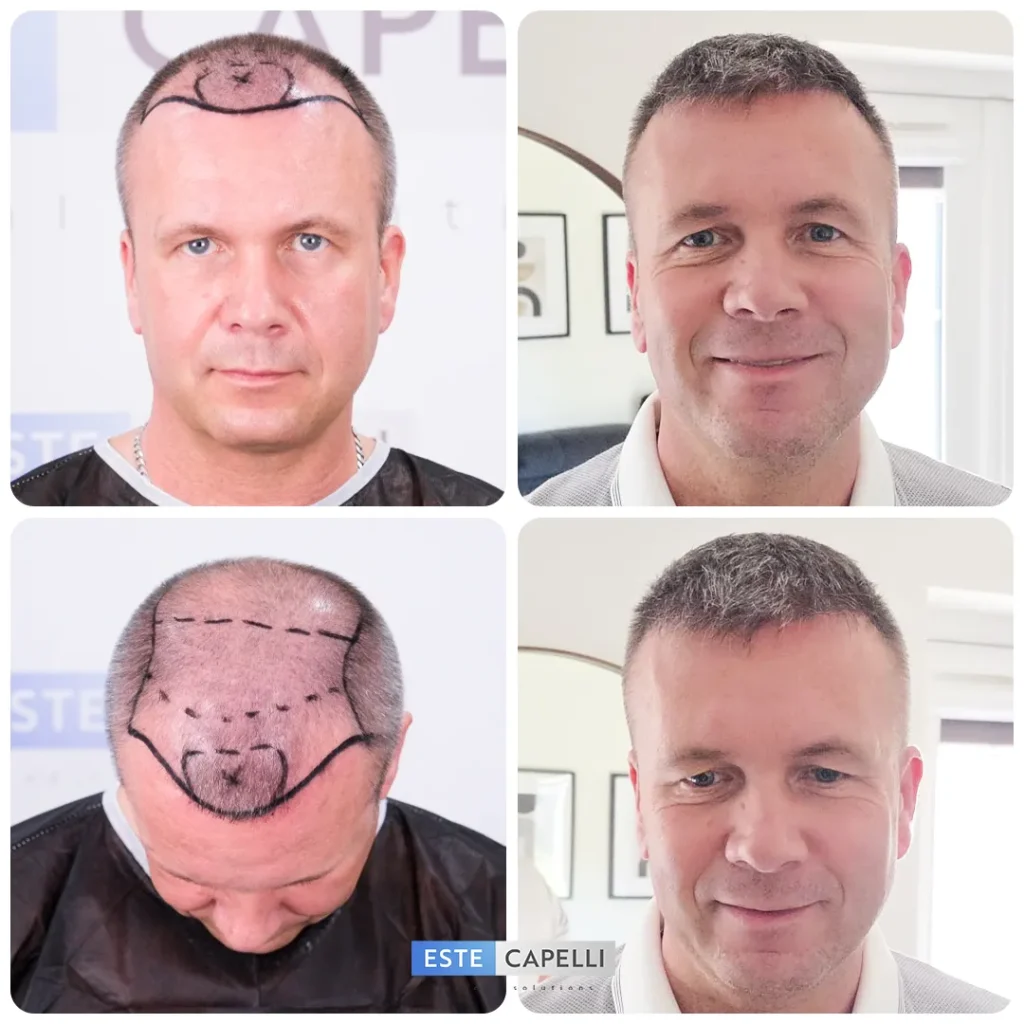
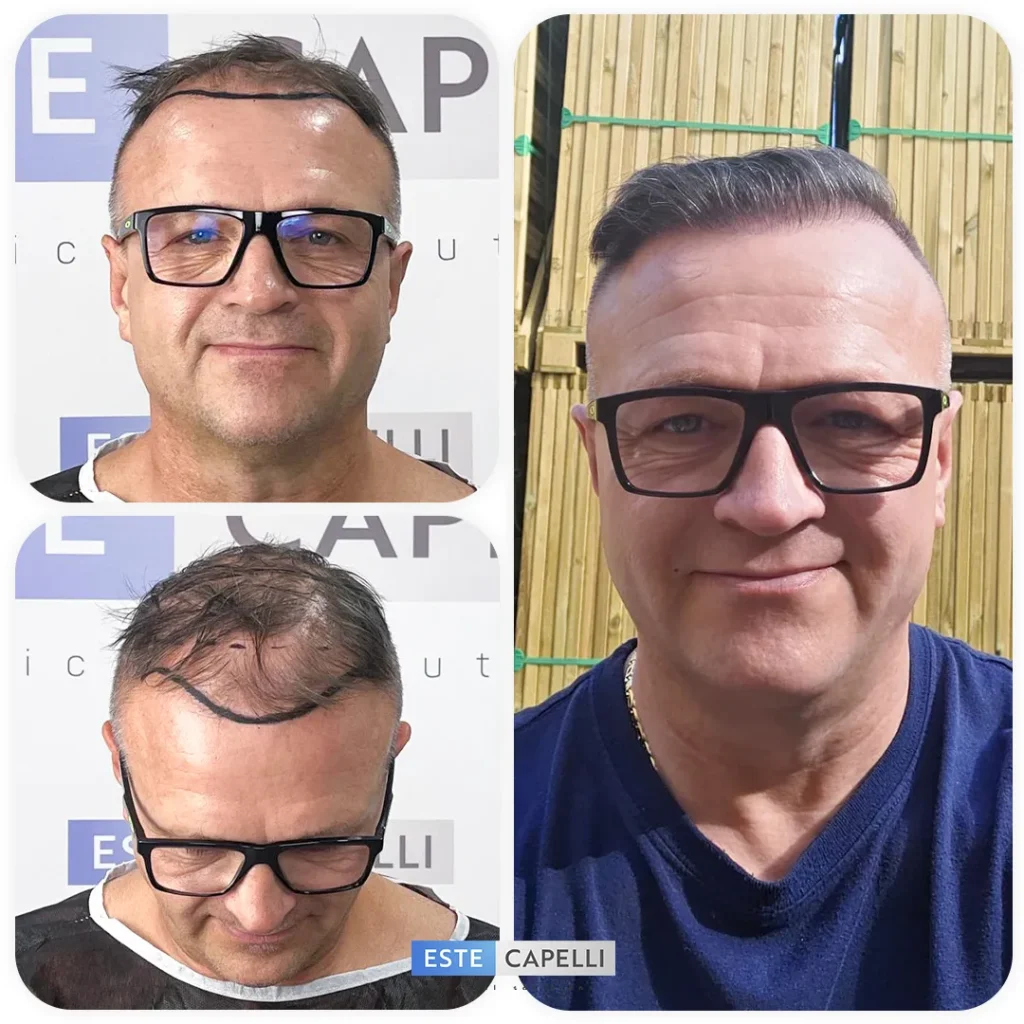
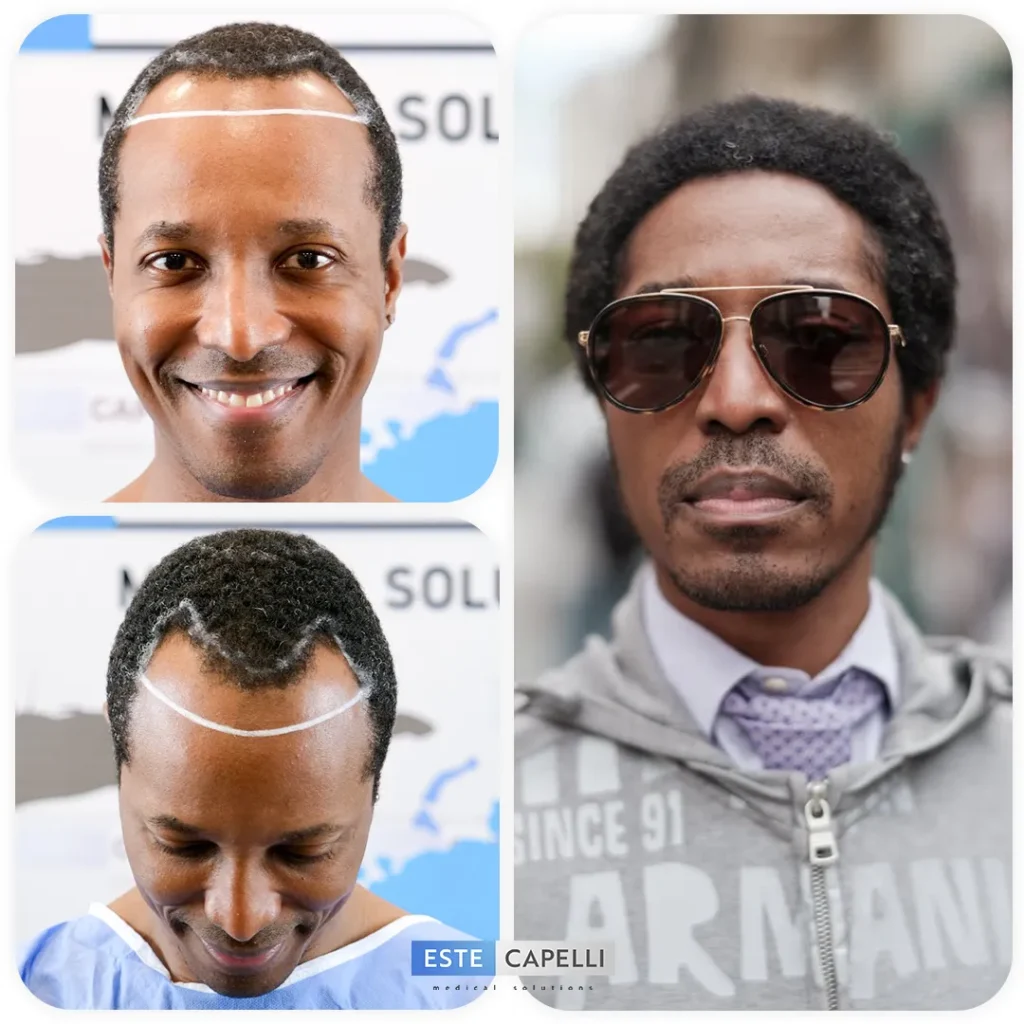
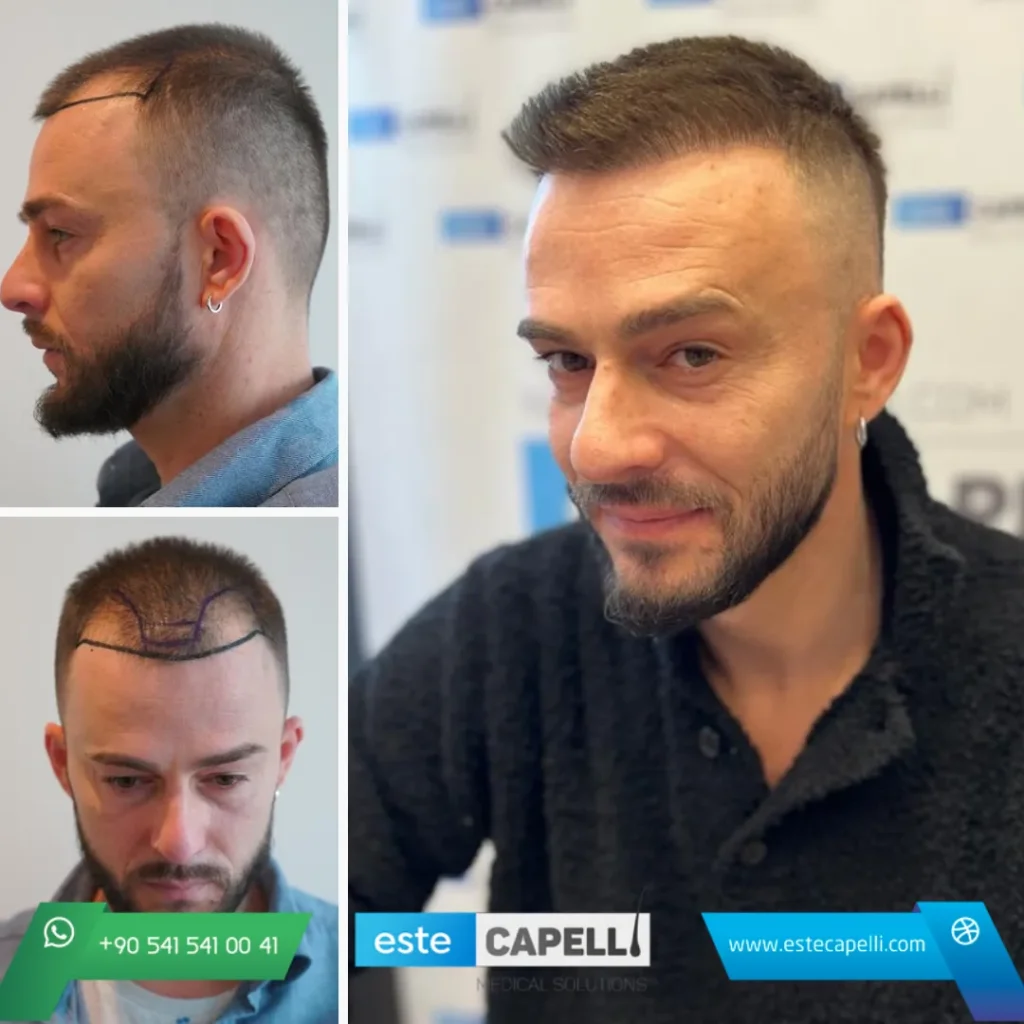
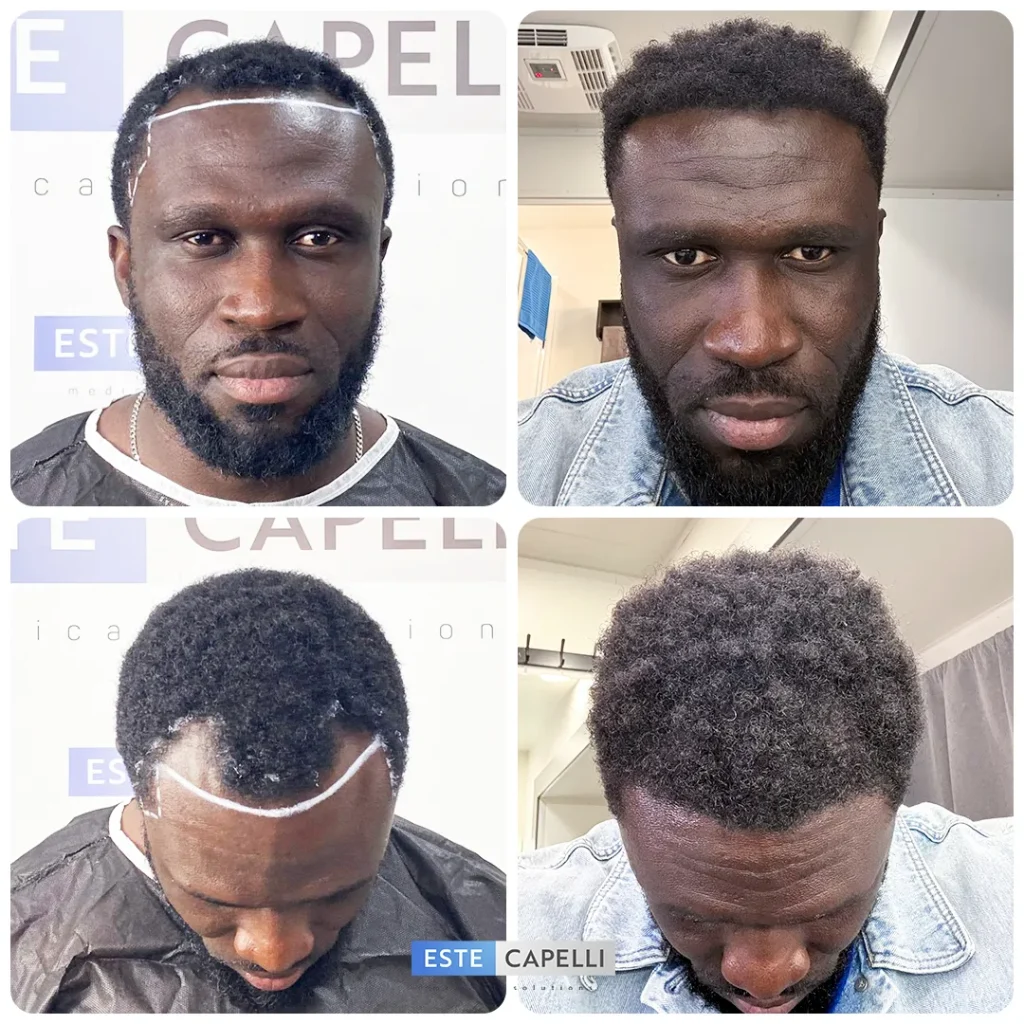
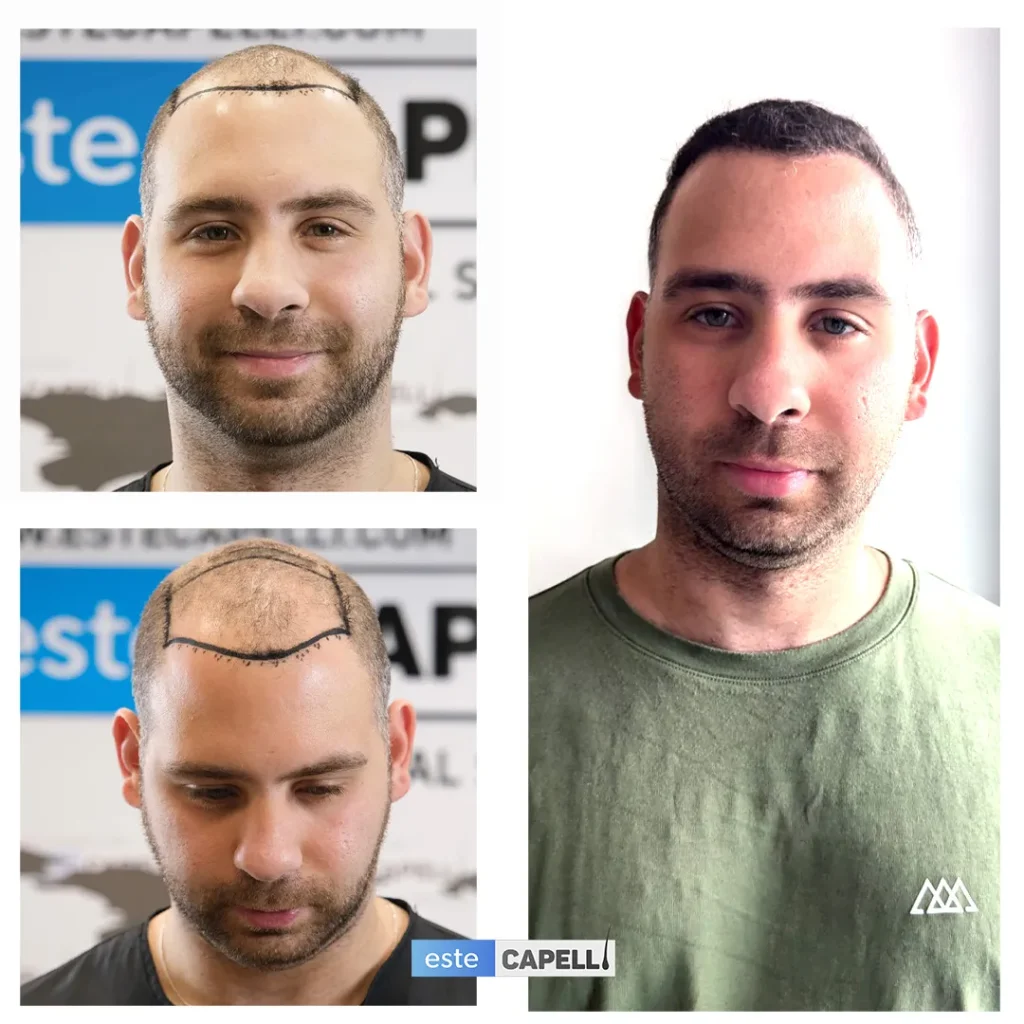
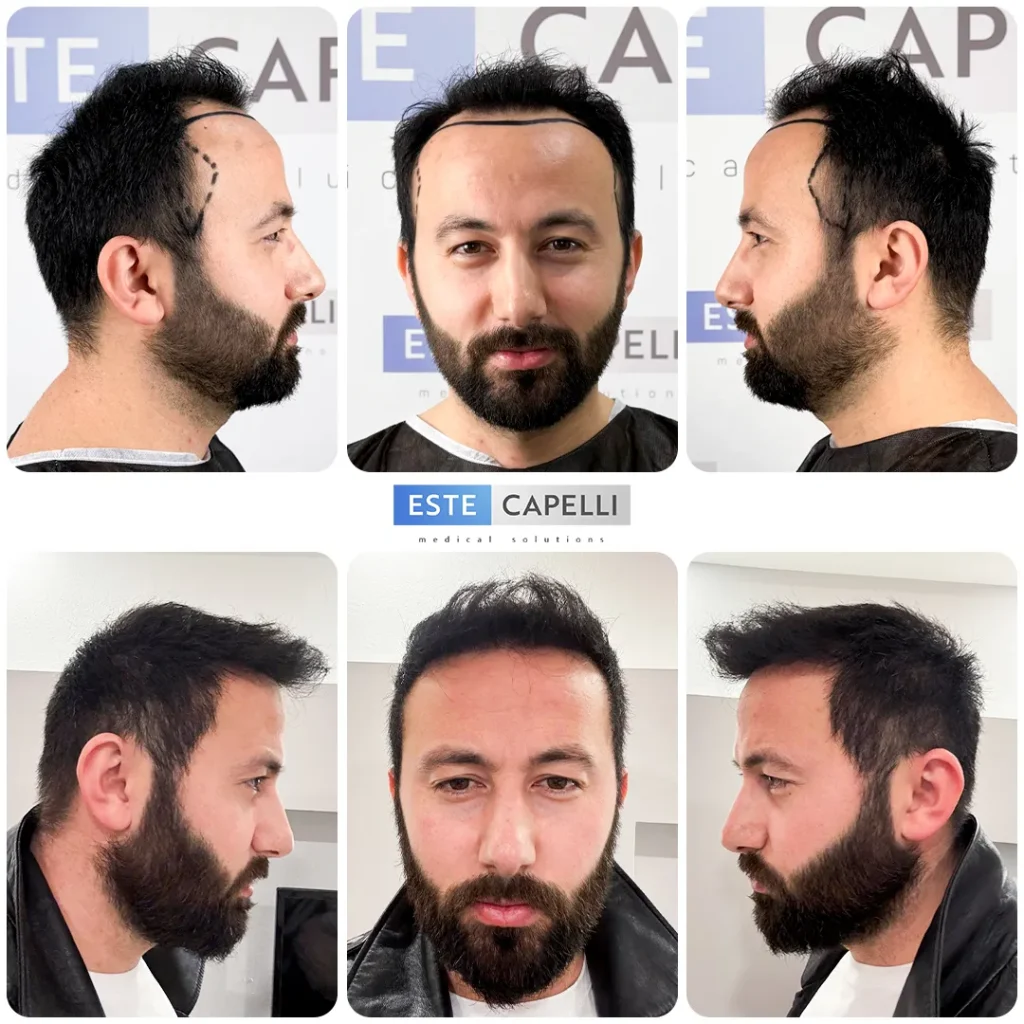
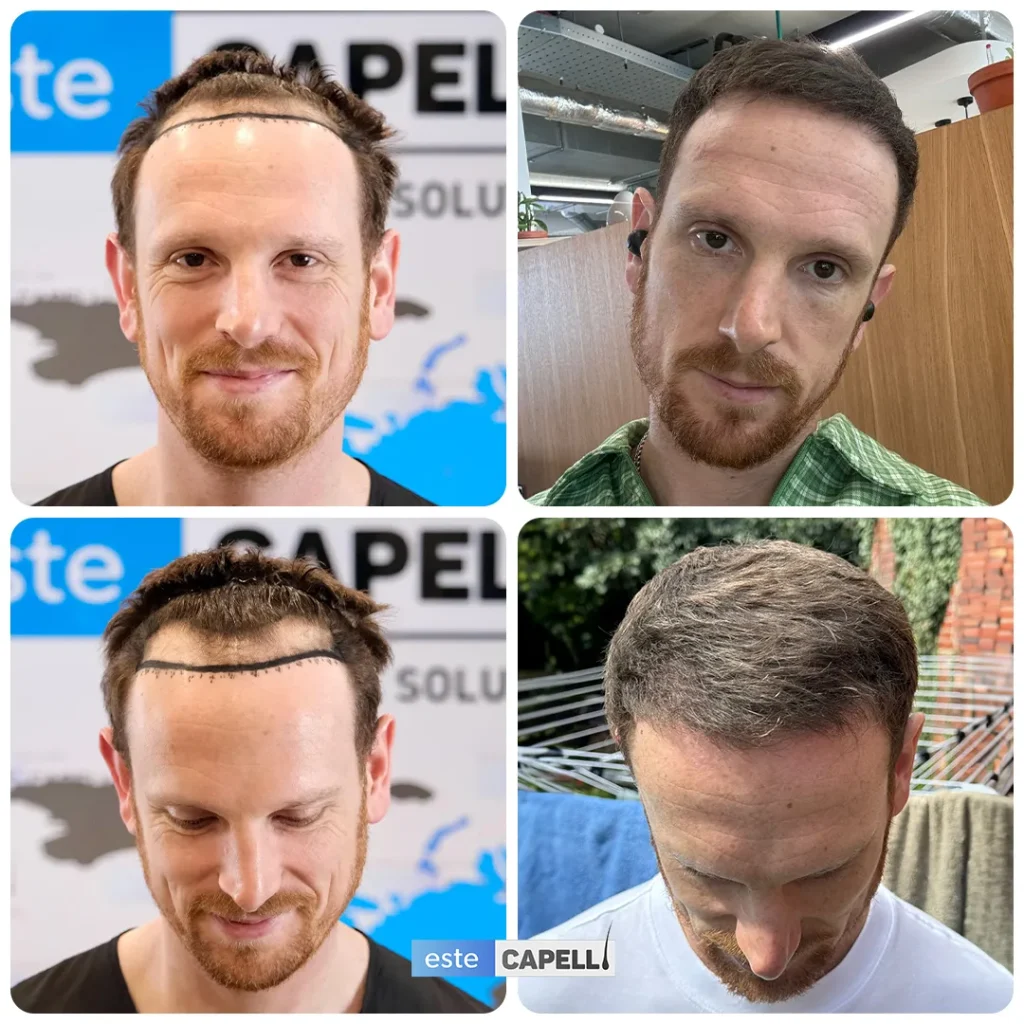
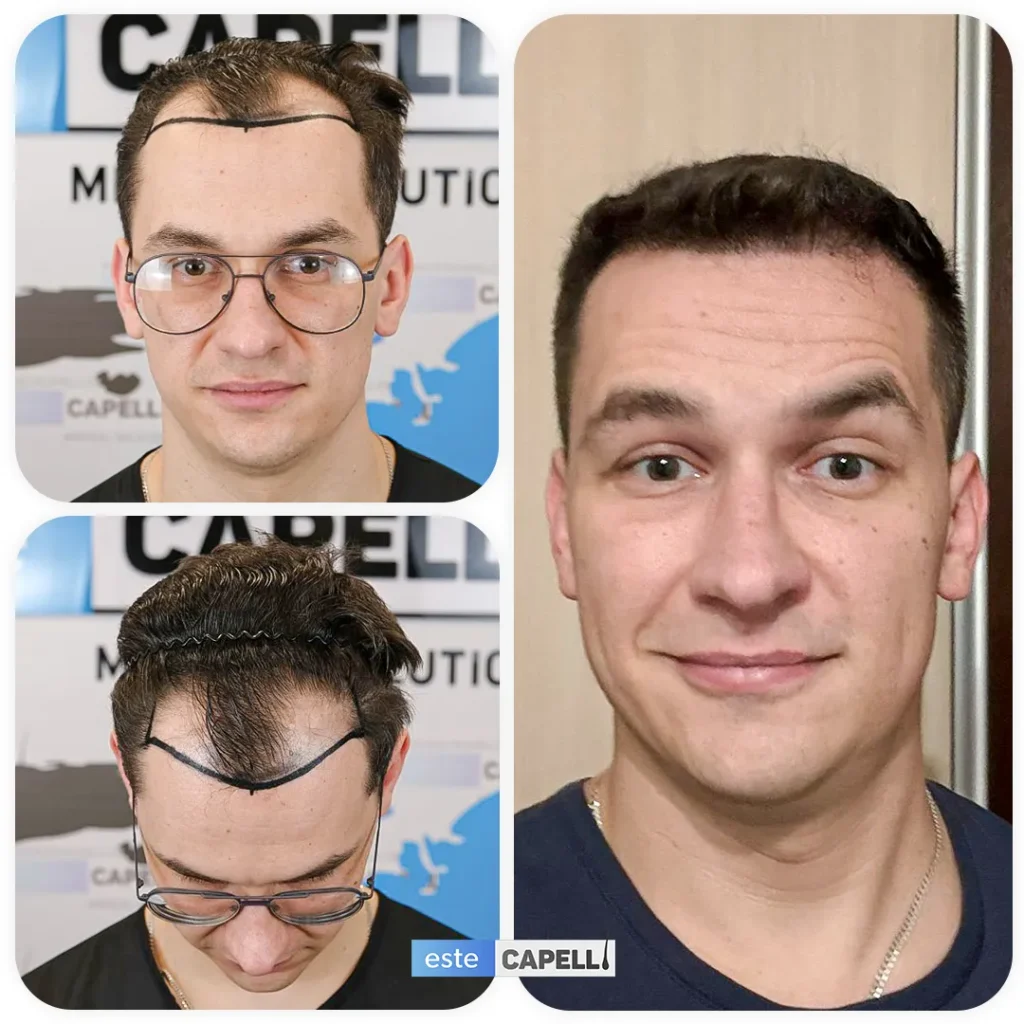
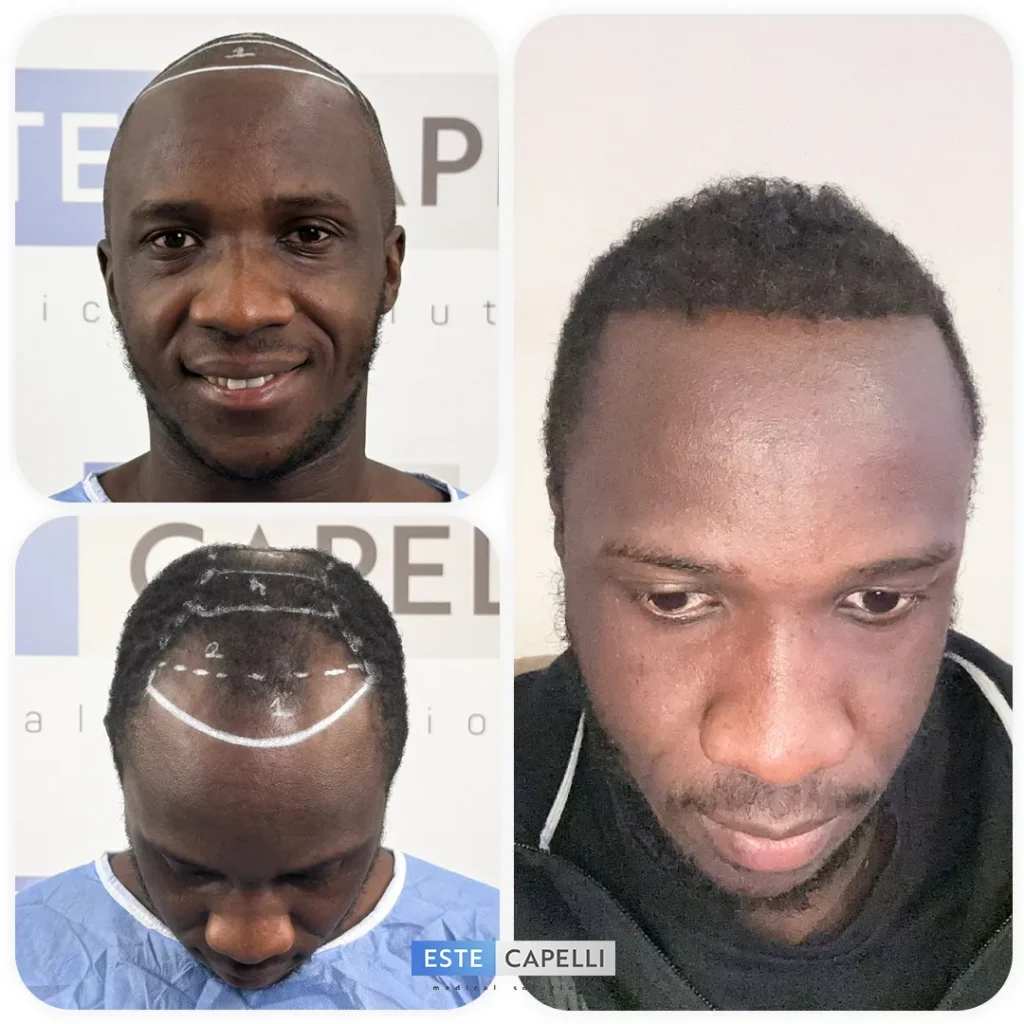
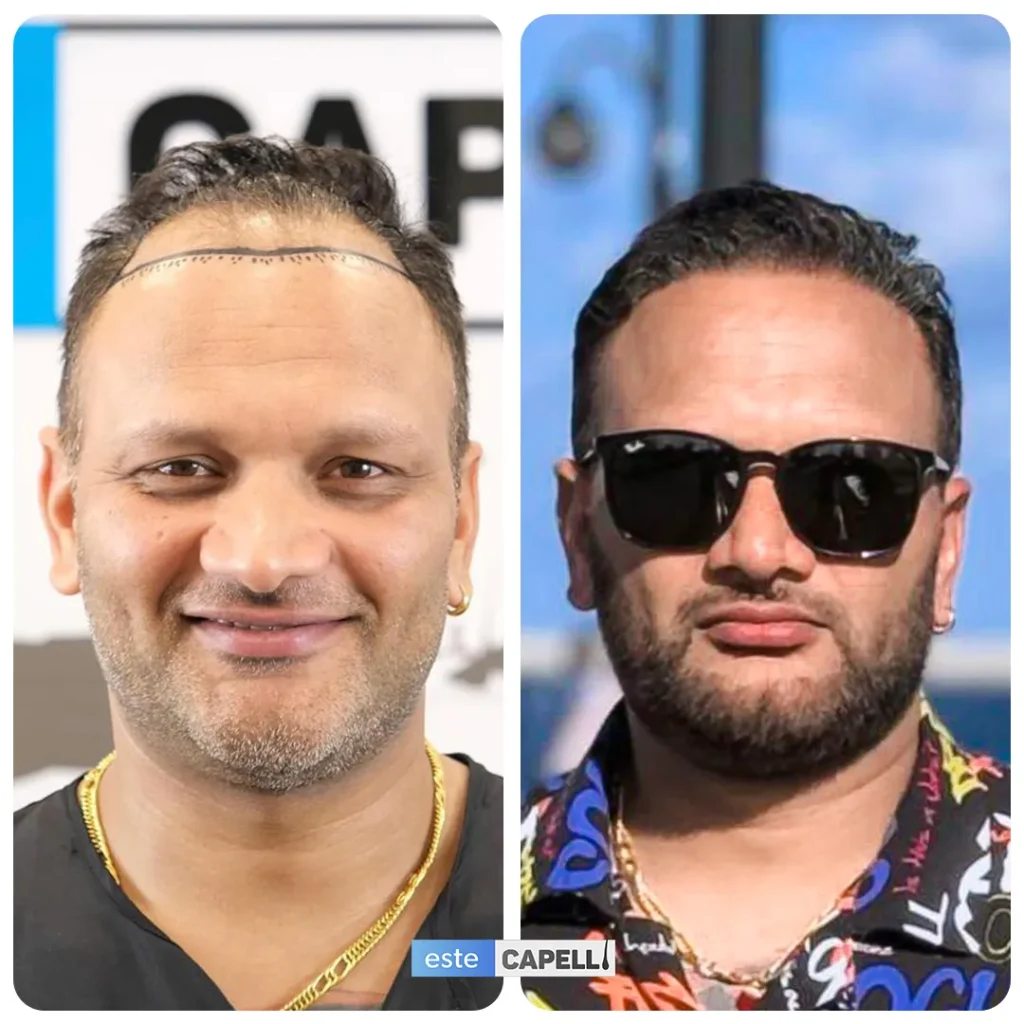
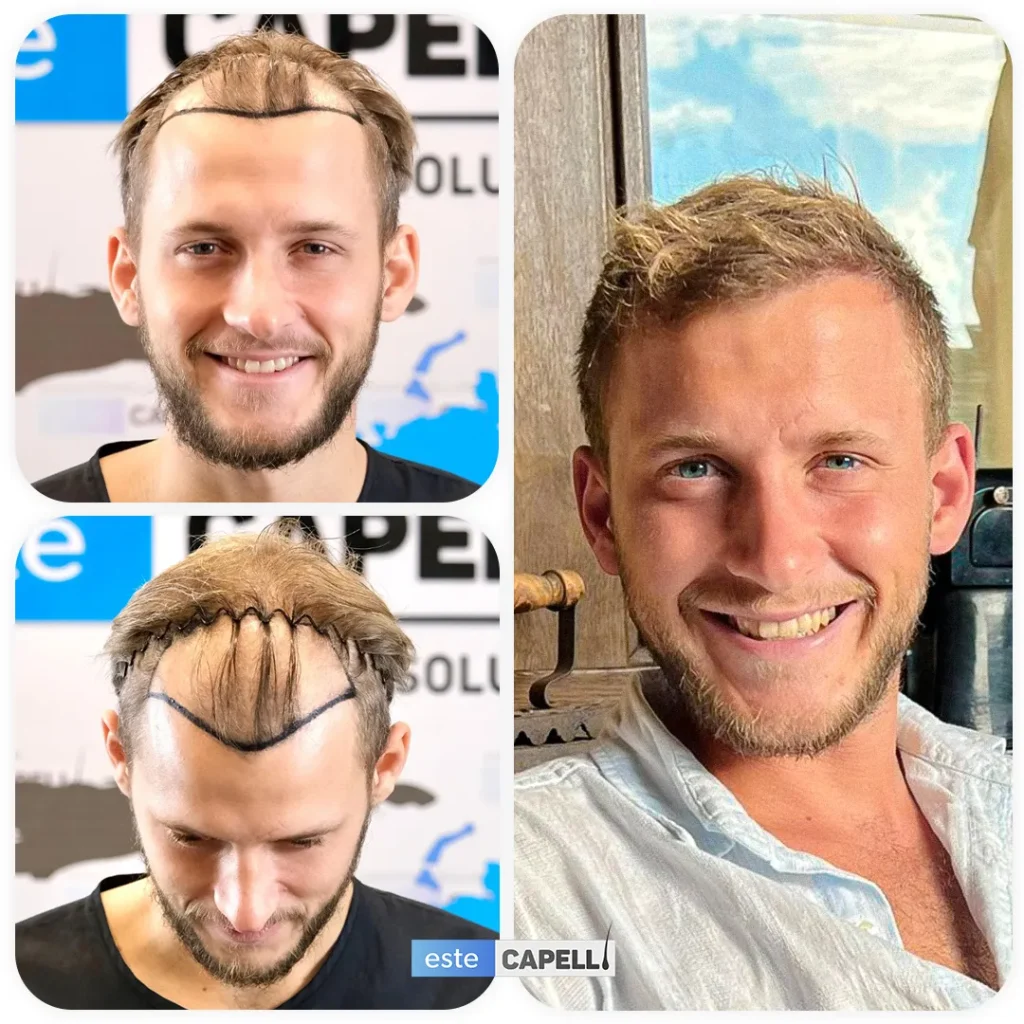
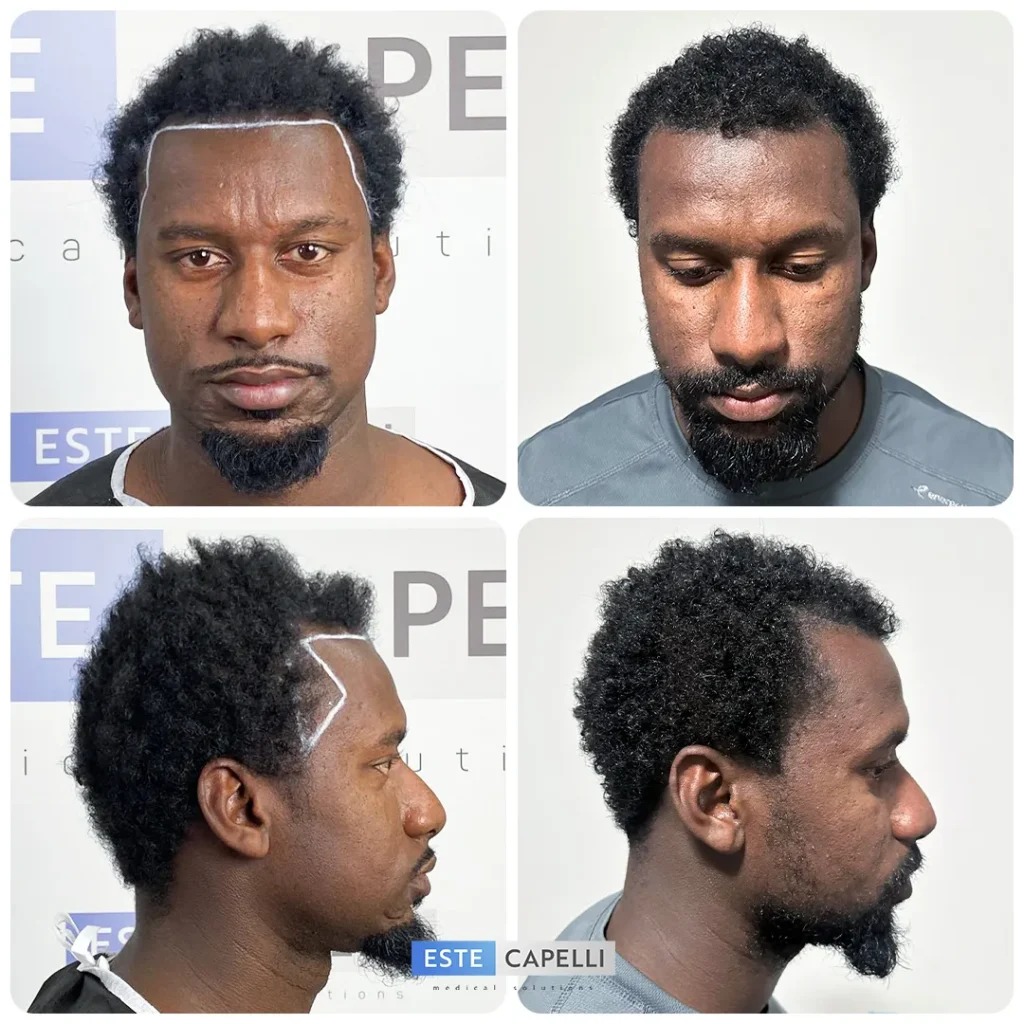
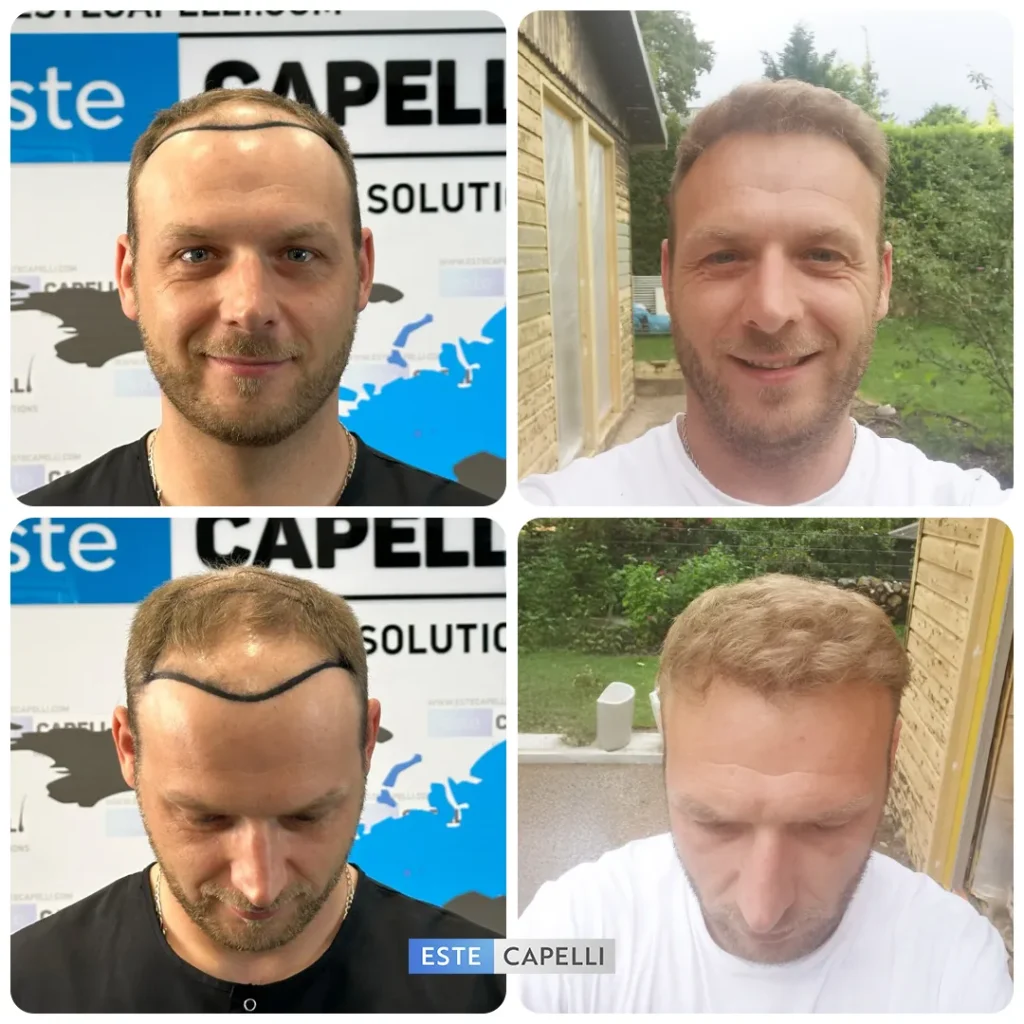
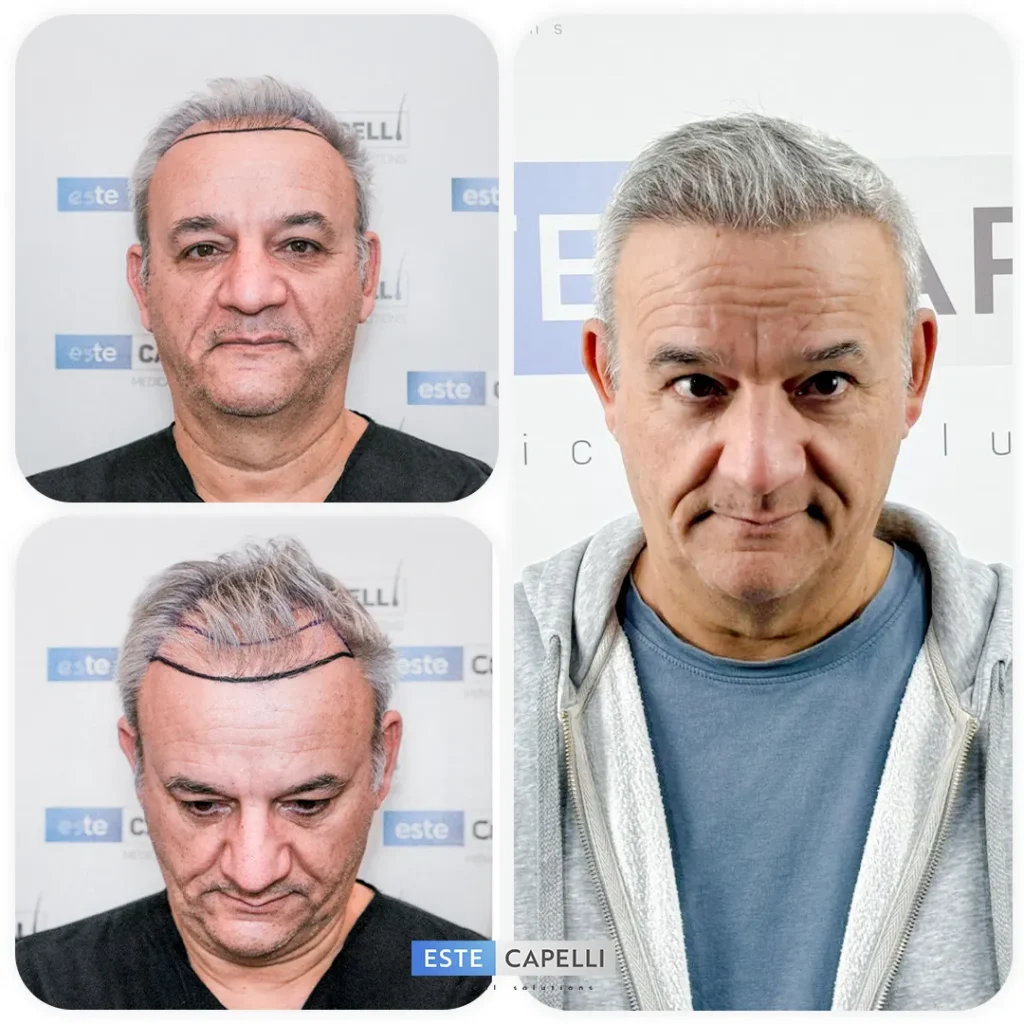
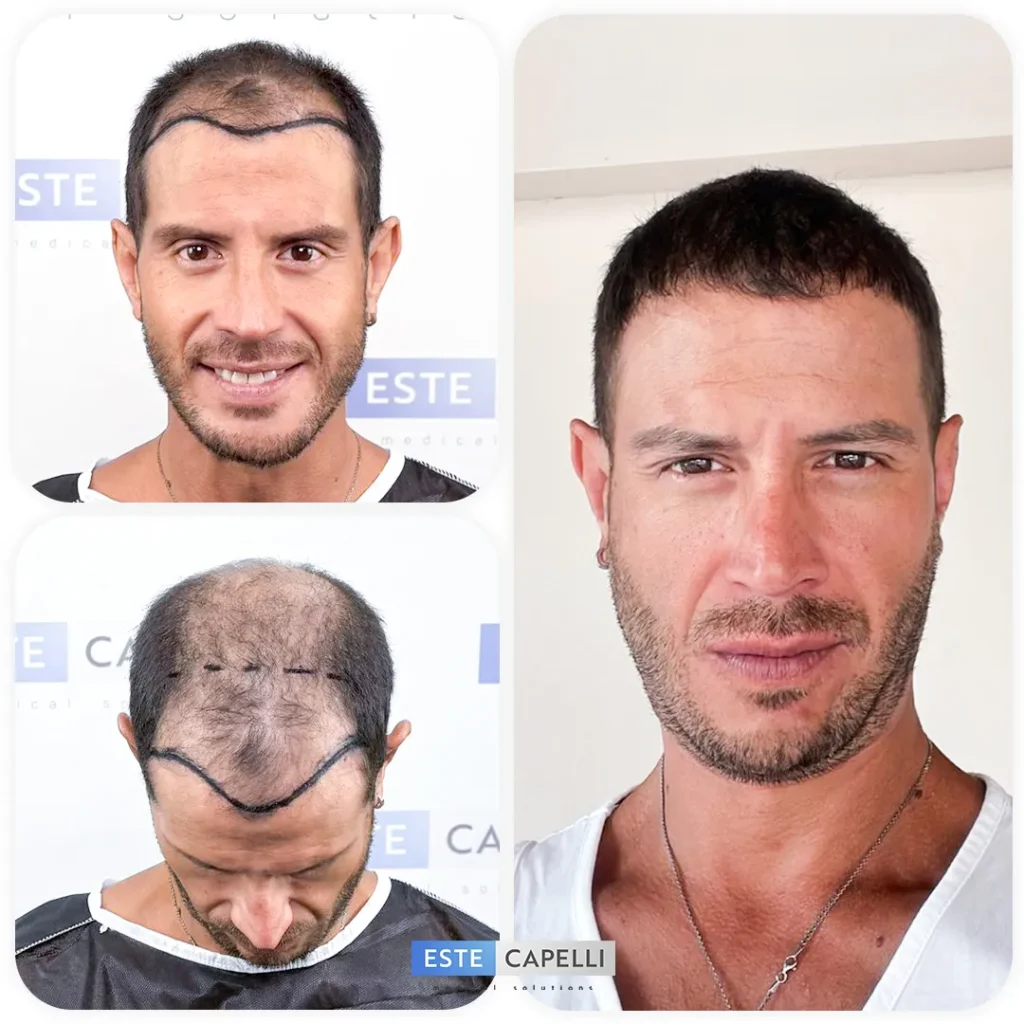
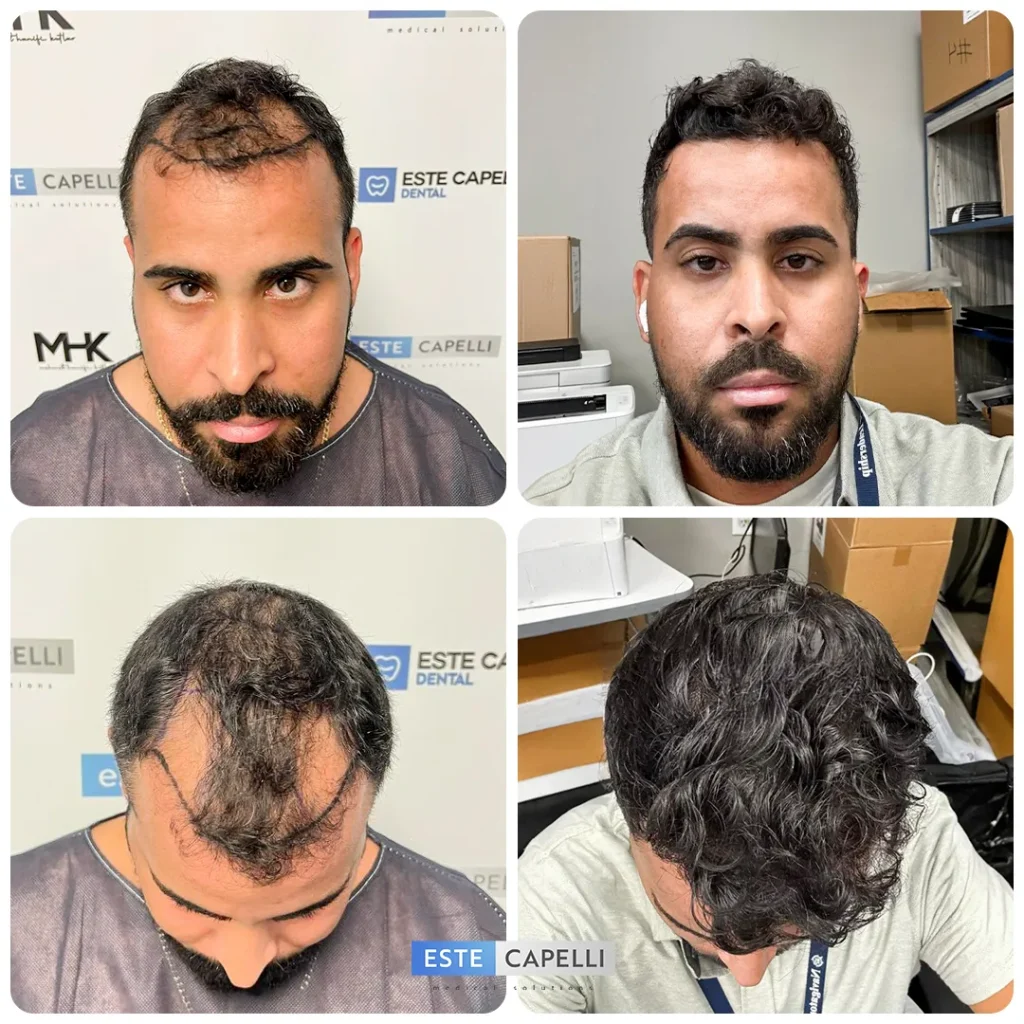
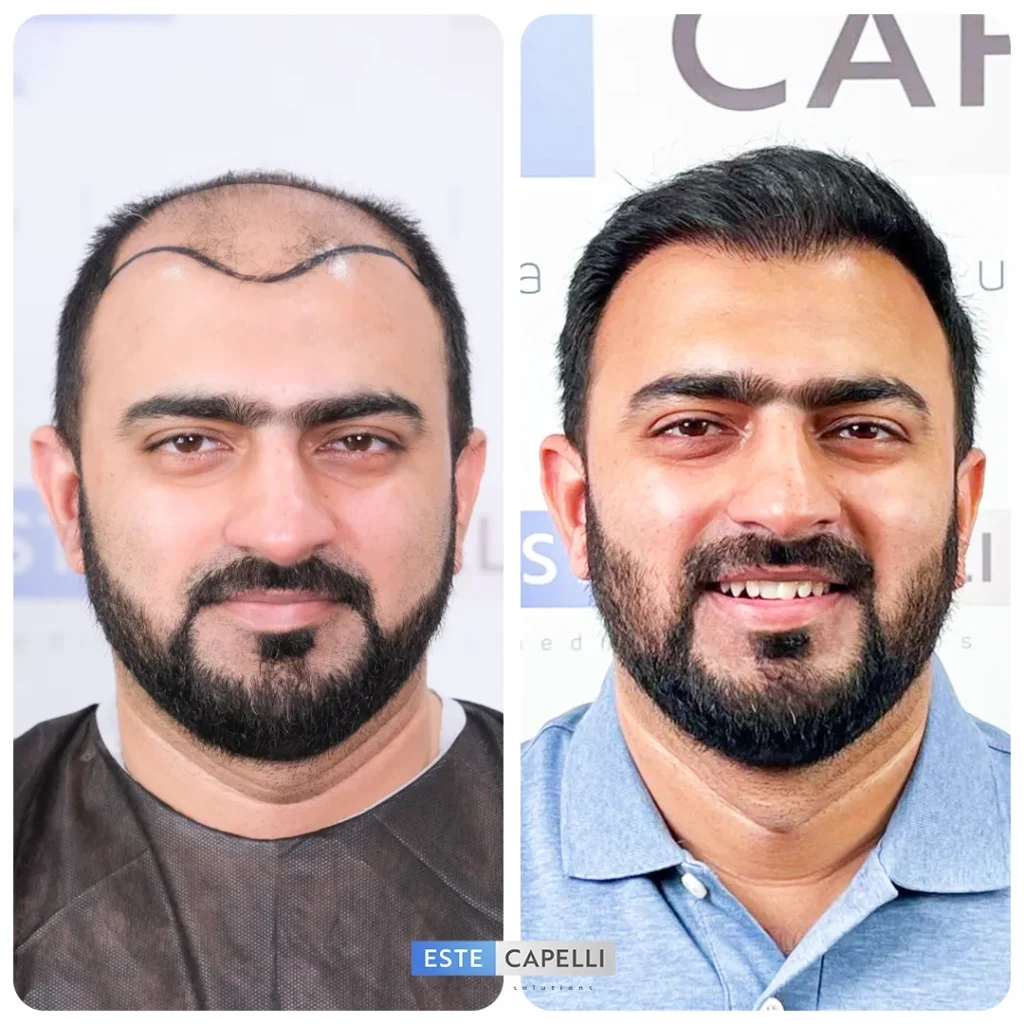
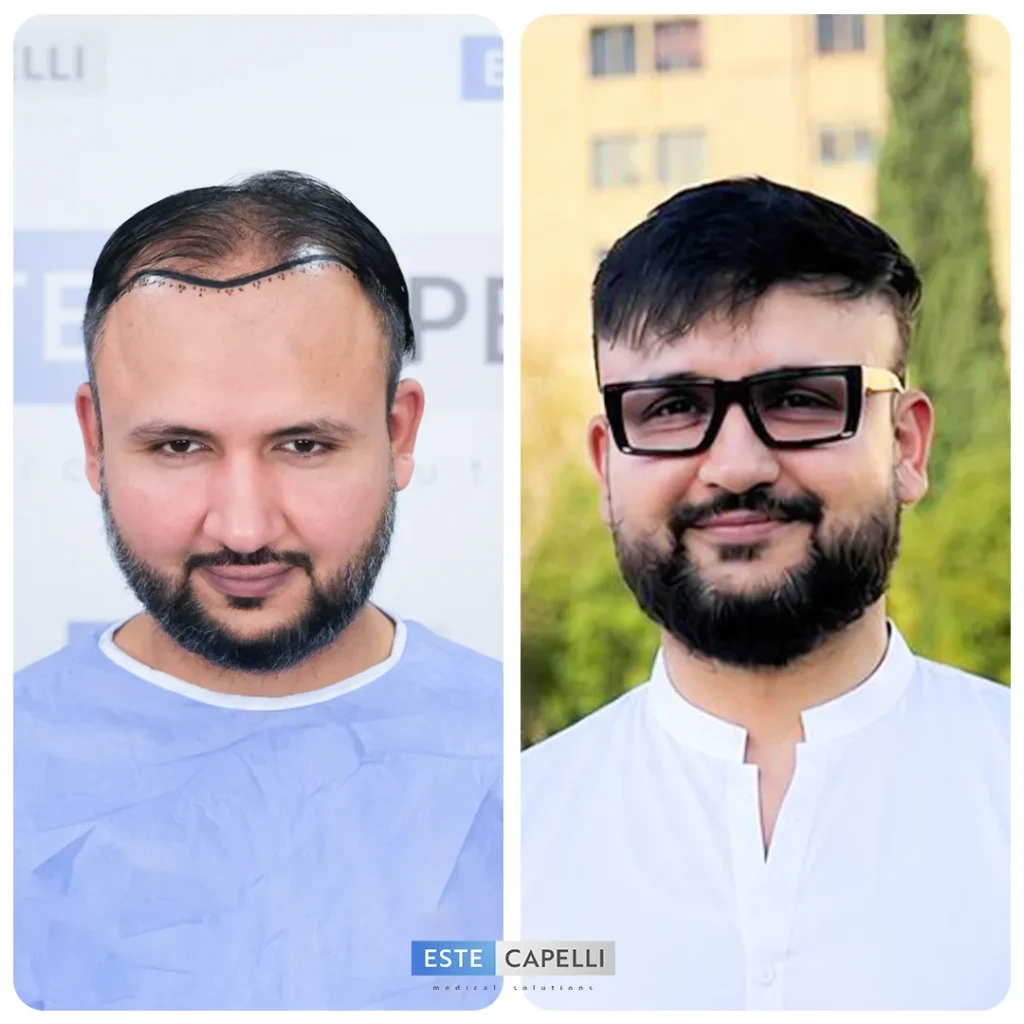
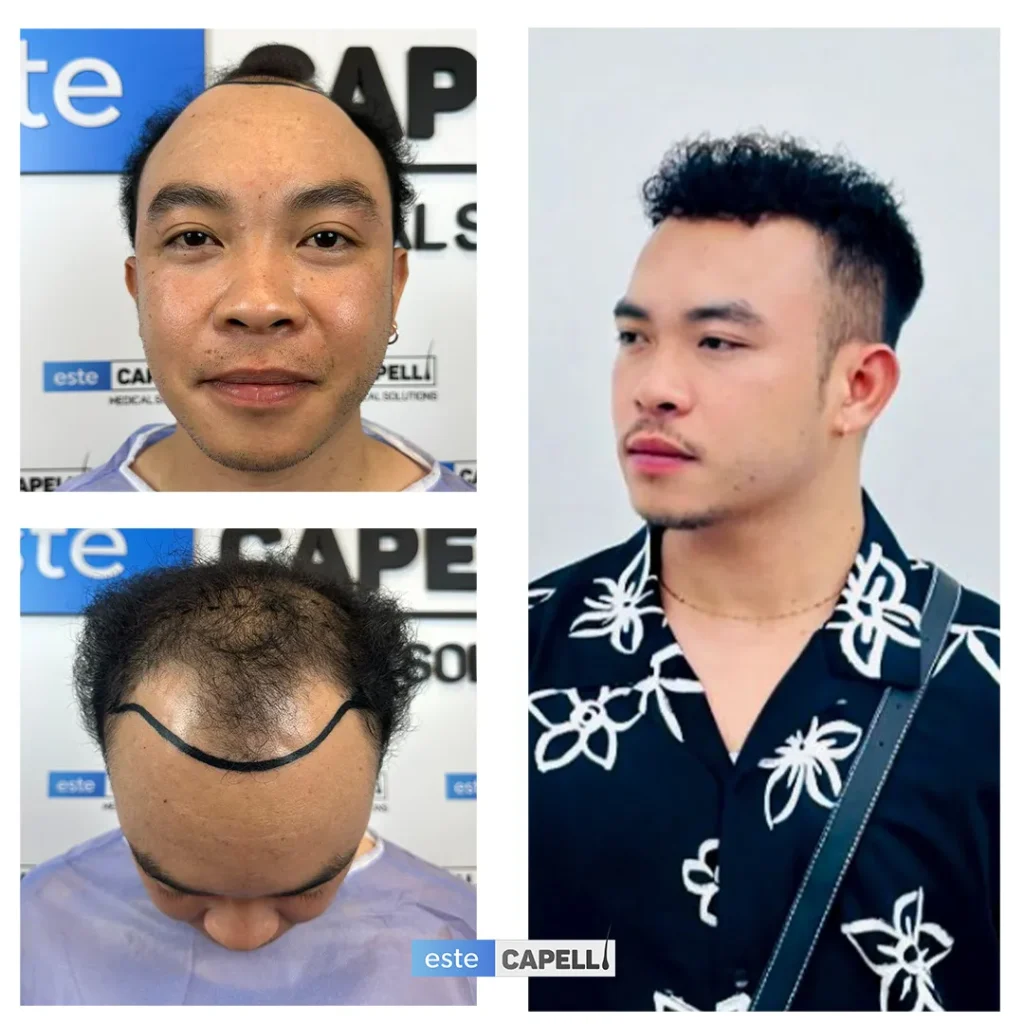
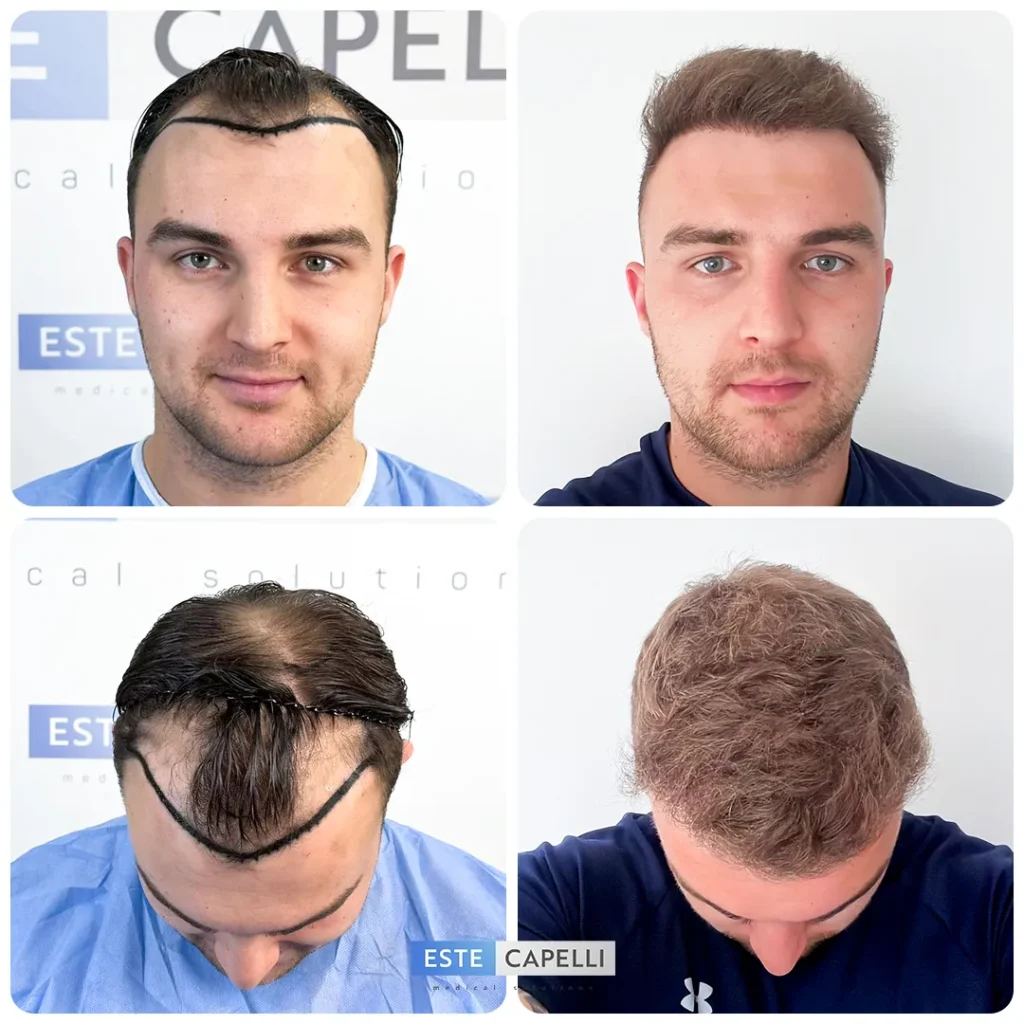
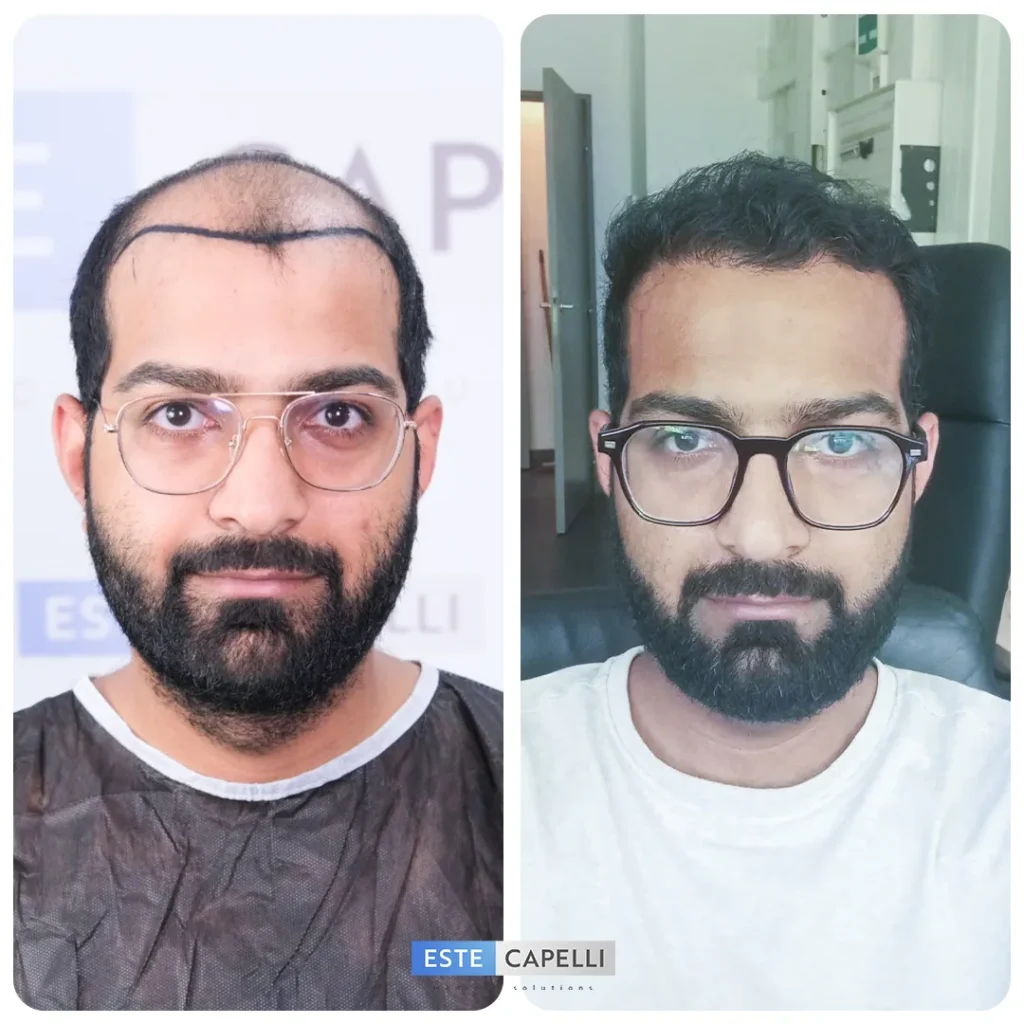
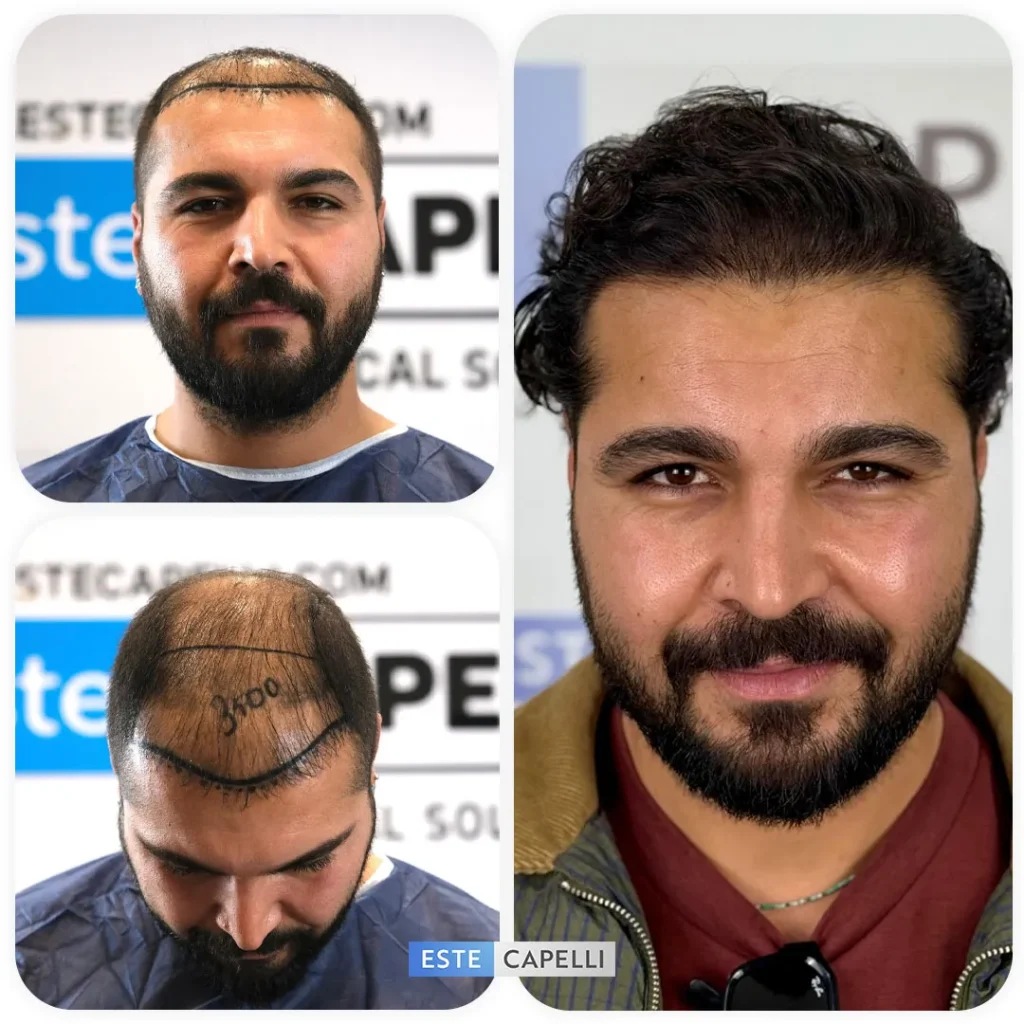
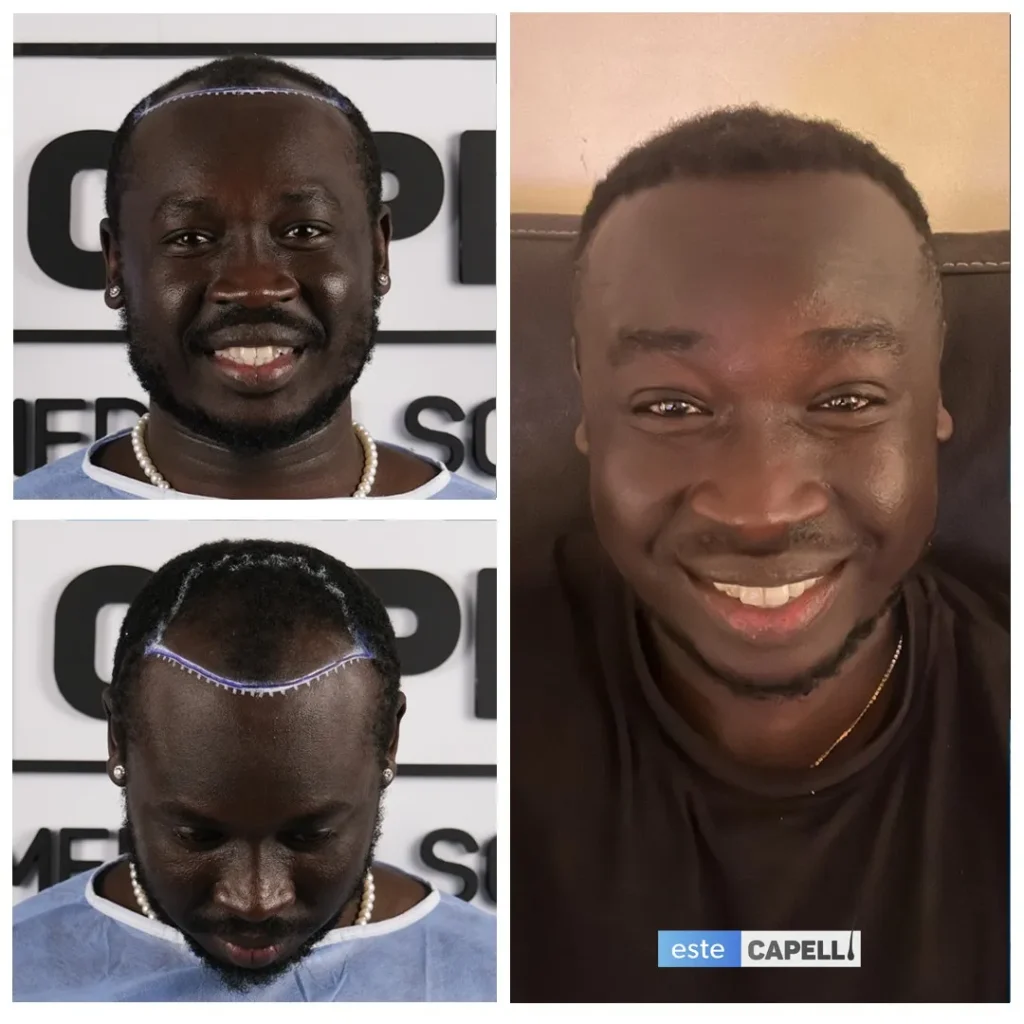
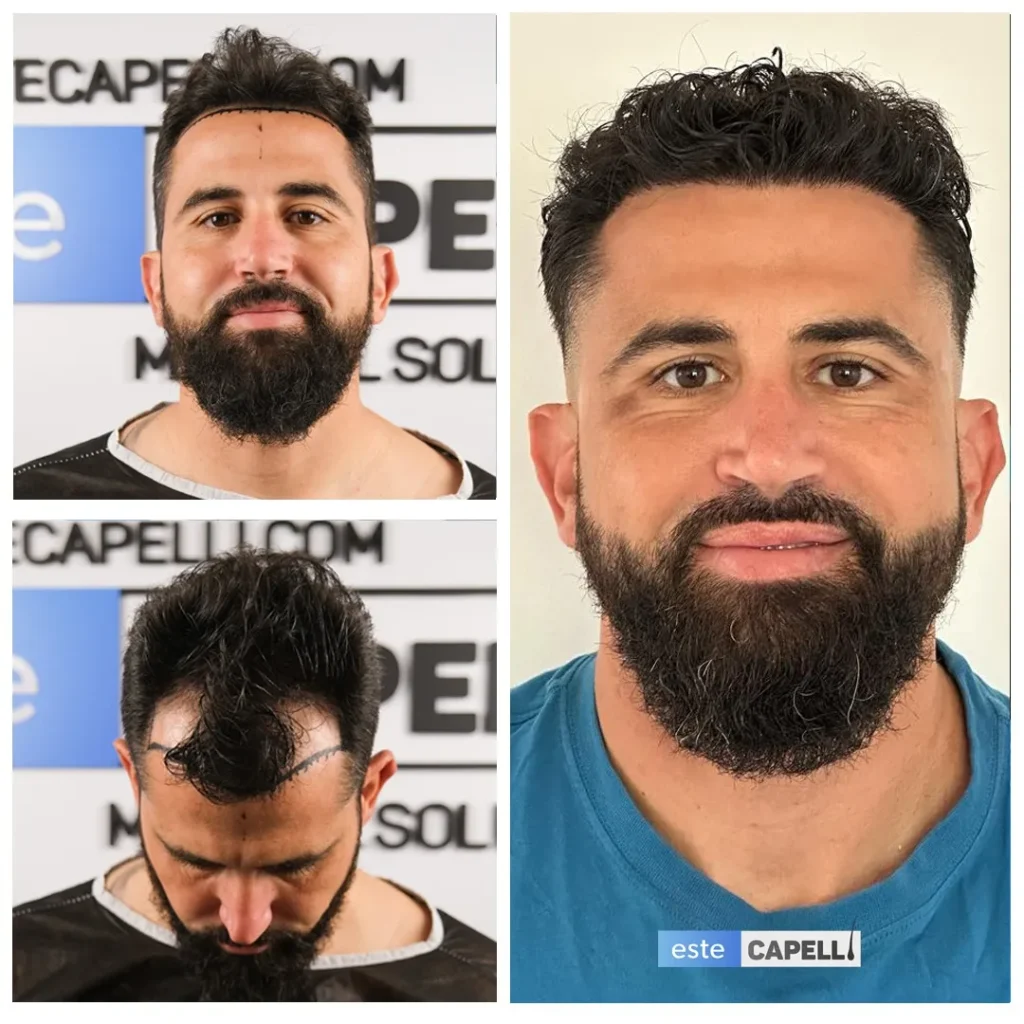
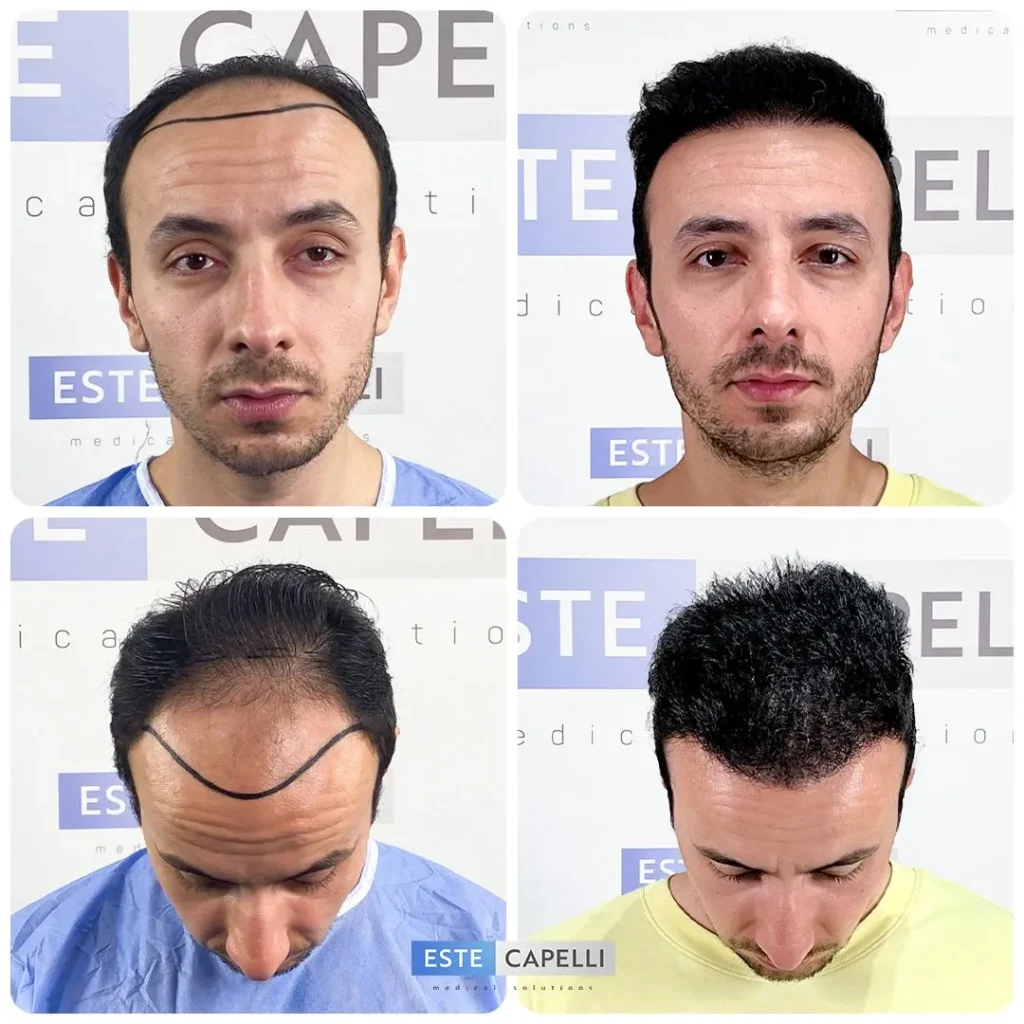
Sapphire FUE — Before & After
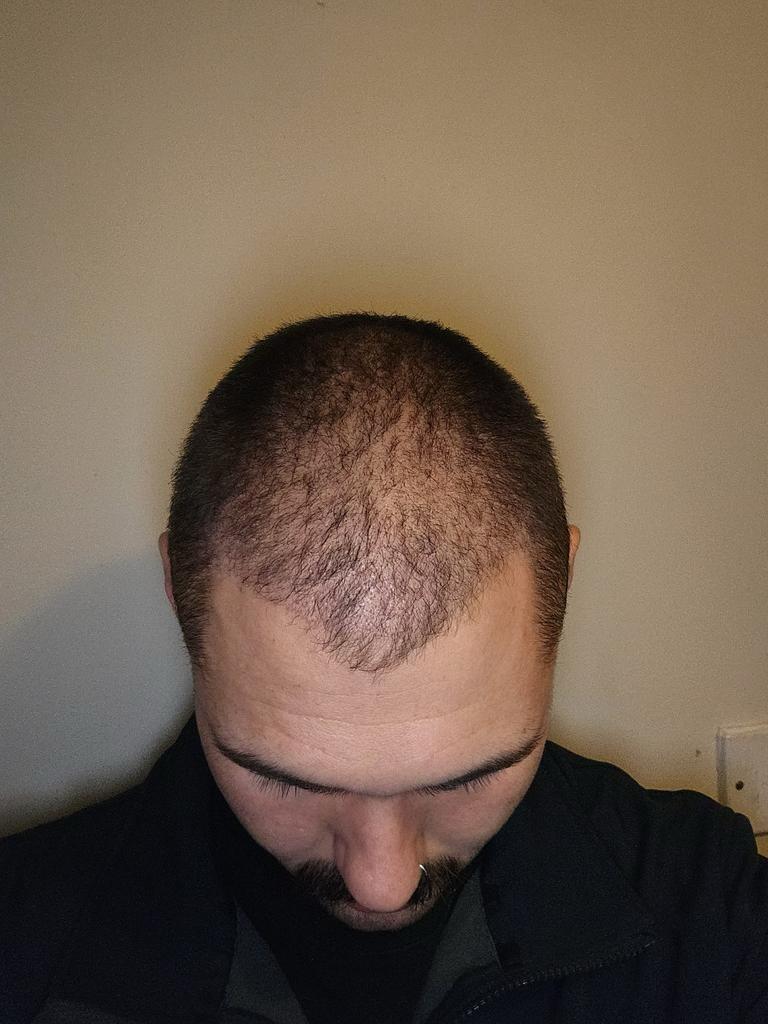
See the density and natural hairlines our patients achieve with Sapphire FUE. Every result is planned around your own growth pattern, so the outcome blends seamlessly with your existing hair and looks completely natural.
Ready to Restore Your Hair with Sapphire FUE?
Share a few details and our team will reply with a personalised Sapphire FUE plan, a graft estimate and a no-obligation, all-inclusive quote — usually within a few hours.
- Free graft assessment from your photos
- No-obligation, transparent all-inclusive quote
- Fast reply from our dedicated patient-care team
- Multilingual support at every step