Gynecomastia
A surgical solution for enlarged male breast tissue — restoring a flatter, firmer and more masculine chest contour with natural-looking results.
What Is Gynecomastia?
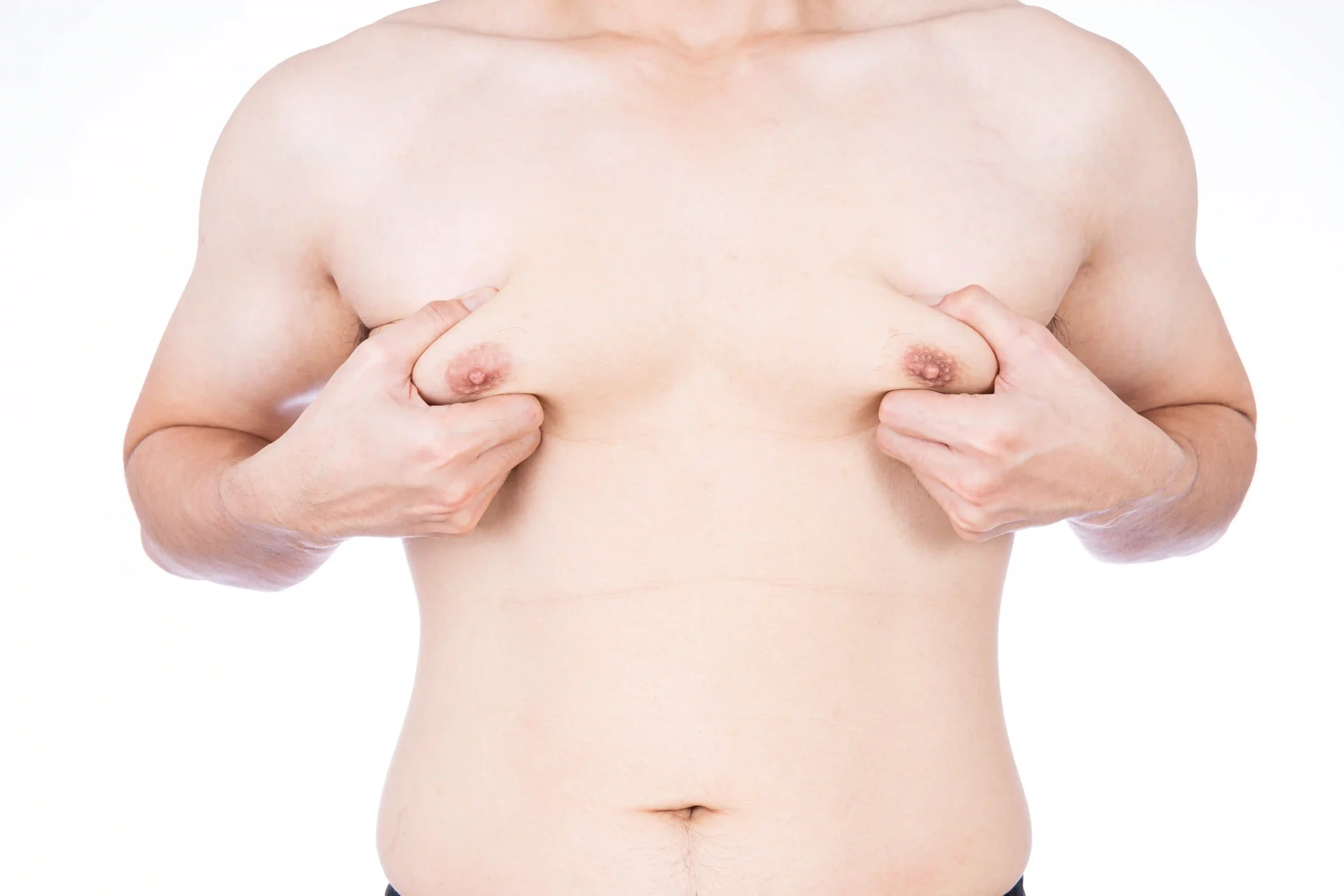
Gynecomastia is a condition in which male breast tissue grows beyond its normal size, causing the chest to take on a feminine appearance. While men naturally have breast tissue and mammary glands, testosterone typically keeps this tissue small and inactive. When hormonal imbalances, weight gain, certain medications or underlying health conditions disrupt this balance, the tissue enlarges and gynecomastia develops.
This condition goes beyond aesthetics — it can significantly impact a man’s psychological well-being, self-confidence and social life. At Estecapelli, gynecomastia is approached from both a medical and aesthetic standpoint, ensuring that each patient receives a personalised and permanent solution.
What Causes Gynecomastia?
Gynecomastia can develop through a variety of mechanisms. The most common causes include:
- Imbalance between estrogen (female hormone) and testosterone (male hormone)
- Fat accumulation in the chest area due to excessive weight gain
- Tissue and skin sagging caused by repeated cycles of weight gain and loss
- Hormonal side effects of certain medications
- Liver, kidney and endocrine system diseases
- Age-related hormonal changes
- Use of anabolic steroids for bodybuilding purposes
- A significant decrease in testosterone levels

Gynecomastia Treatment: Non-Surgical and Surgical Approaches
The most suitable treatment method is determined based on the type and degree of breast enlargement, as well as the underlying cause. A thorough evaluation ensures that each patient receives a personalised approach for safe and effective results.
In mild cases with minimal fat accumulation and skin sagging: removal of fatty tissue through liposuction or its variants — such as Vaser liposuction — may be sufficient to achieve the desired contour.
In advanced cases with significant breast tissue enlargement and skin sagging: surgical removal of glandular tissue combined with excess skin excision is required for a flat and natural-looking result.
At Estecapelli, each patient is evaluated individually. A detailed analysis is performed to determine whether the excess tissue consists of fatty tissue, firm glandular breast tissue or a combination of both — ensuring the most appropriate and effective treatment plan is selected.

How Is Gynecomastia Surgery Performed?
Gynecomastia surgery is performed under general anaesthesia in a fully equipped operating room. The procedure is tailored to each patient’s specific condition, and its content varies depending on the type and degree of gynecomastia present.
-
Case Type
Cases With Excess Fatty Tissue Only
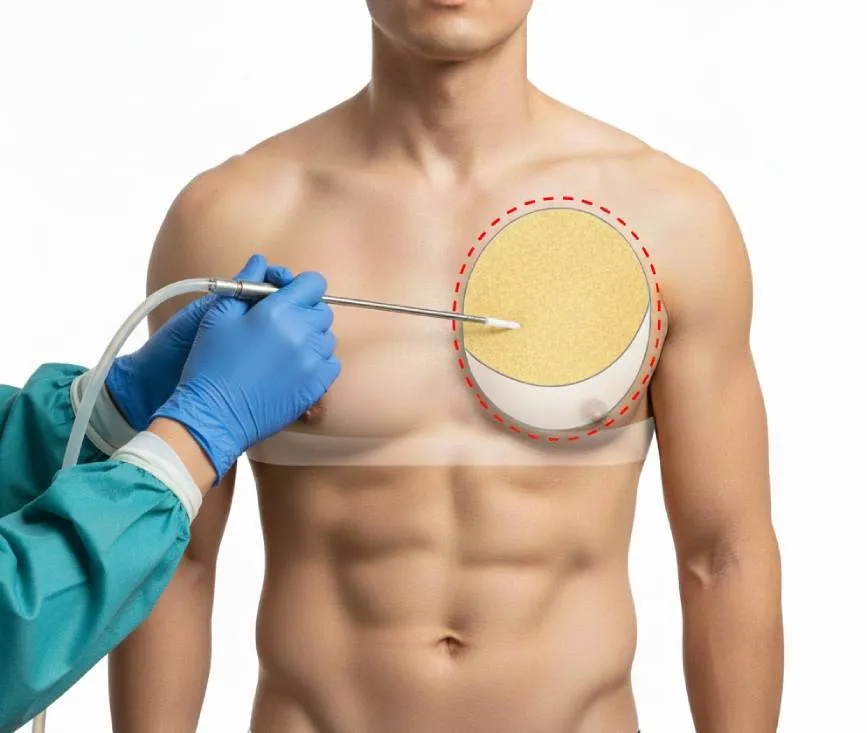
- Liposuction or Vaser Liposuction is the preferred technique
- Fatty tissue is removed using cannulas inserted through very small incisions in the chest area
- When skin elasticity is sufficient, a flat and natural chest contour is achieved without the need for additional skin incisions

-
Case Type
Cases With Both Breast Tissue Enlargement and Skin Sagging
- Glandular breast tissue is surgically removed
- Excess skin is excised and the chest is reshaped for a firmer, flatter contour
- Inverted T or circular incisions are used when necessary
The average duration of the surgery is approximately 1.5–2 hours.
Liposuction-based procedures leave minimal scarring. In surgeries involving tissue and skin removal, incisions are strategically placed in the most discreet areas possible and fade significantly over time with proper care.



Recovery Process After Gynecomastia Surgery
The postoperative period is generally comfortable and well-tolerated. Mild pain and a feeling of tightness on the first day are completely normal and expected.
-
First 24 Hours
Hospital Stay
The patient typically stays in hospital for one night, with pain well-managed through prescribed medication. -
First Week
Compression Garment
Swelling, bruising and sensitivity in the chest area are expected. Wearing a compression garment during this period is essential for proper healing and shaping. -
Weeks 2–3
Edema Subsides
Edema largely subsides and movement becomes more comfortable. Light daily activities can gradually be resumed. -
1 Month and Beyond
Defined Chest
The chest begins to take on a more natural and defined appearance. Returning to sports, weightlifting and chest-intensive exercises requires doctor approval to ensure a safe and full recovery.
Gynecomastia — Frequently Asked Questions
What is gynecomastia?
Gynecomastia is the enlargement of breast tissue in men, giving the chest a fuller, more feminine appearance. It can be caused by a hormonal imbalance between estrogen and testosterone, weight gain, certain medications, anabolic steroid use or underlying health conditions. It is very common and, while harmless medically, can affect confidence — which is why many men choose treatment.
How is gynecomastia treated?
Treatment depends on whether the excess is fatty tissue, firm glandular tissue or a combination. Milder cases are corrected with liposuction (often Vaser), while cases with significant glandular tissue or loose skin require surgical removal of the gland and, where needed, skin tightening. Your surgeon confirms the right approach after examining you.
Is the surgery painful, and what anaesthesia is used?
The procedure is performed under general anaesthesia, so you feel nothing during surgery. Afterwards most patients describe mild soreness and tightness rather than significant pain, which is well controlled with prescribed medication and eases within a few days.
How long is the recovery and stay in Turkey?
Most patients stay in Turkey for around three to five days, including a follow-up check. You can return to daily life within one to two weeks, while a compression garment is worn for several weeks to support shaping. Strenuous exercise and chest workouts are resumed after about a month, with your surgeon’s approval.
Will there be visible scars?
Liposuction-only procedures leave tiny, barely noticeable marks. When glandular tissue or skin is removed, incisions are placed as discreetly as possible — often around the edge of the areola — and fade significantly over time with proper care.
Are the results permanent, and can it come back?
The removed glandular tissue does not grow back, so results are long-lasting. Recurrence is uncommon, but significant weight gain, steroid use or a new hormonal imbalance can cause changes — maintaining a stable weight and healthy lifestyle keeps your results looking their best.
Does the chest look natural afterwards?
Yes. Performed with the right technique, gynecomastia surgery creates a flat, firm and naturally masculine chest contour. The aim is always a result that looks like it was never operated on, in harmony with your body.
Gynecomastia Surgery Prices
Gynecomastia surgery prices may vary depending on several factors, including:
- The technique used (liposuction only, surgical gland removal, or a combined approach)
- The severity or degree of gynecomastia
- The patient’s individual needs and whether additional procedures are required
- The overall surgical plan and treatment approach
For this reason, the most accurate price can only be determined after an in-person examination or an online pre-consultation with Estecapelli specialists.

Restore Your Confidence
Share a few details and our team will reply with a personalised gynecomastia treatment plan and a no-obligation, all-inclusive quote — usually within a few hours. Your enquiry is completely confidential.
- Free, discreet assessment from your photos
- No-obligation, transparent all-inclusive quote
- Fast reply from our dedicated patient-care team
- Multilingual support at every step