+100,000 Happy Patients from +80 Countries

Save €3,000 On Your Procedure! Expires 30/10/26*

Navigation
Before - After TrichoLab Blog Contact
Blog
Stay Updated with the Latest News

Blog

You can find answers to everything you are wondering about in our blog posts.

More Great Reads!

Hair Transplant for HIV-Positive Patients

There are two main reasons why hair transplantation or other surgical procedures have historically been approached with caution in HIV-positive patients: HIV is an immune system disease, and because patients may carry an increased risk of infection, surgical operations could potentially endanger their health. HIV is transmitted through blood, and performing surgical procedures on HIV-positive individuals may pose a transmission risk for healthcare professionals. Thanks to advanced techniques used in modern hair transplantation, the risk of infection has been significantly reduced. This is the primary factor that makes hair transplantation possible for HIV-positive patients today. When surgical protocols are carefully followed, the risk of transmission to healthcare professionals is substantially minimized. In microsurgical procedures such as hair transplantation, the risk of infection is low. Moreover, regardless of HIV status, post-operative infection is undesirable for any patient, as it may result in graft loss. Therefore, success in hair transplantation for HIV-positive patients depends largely on strict infection control. In hair transplant procedures specifically designed for HIV-positive individuals, an enhanced infection control protocol must be carefully implemented. The clinical environment should maintain hygiene standards above routine levels. Is Hair Transplantation Performed on HIV-Positive Patients? In Turkey, widely recognized as one of the leading destinations for hair transplantation, procedures for HIV-positive patients are performed safely in high-quality clinical environments, achieving highly successful results. In the past, aesthetic concerns were considered secondary when health was at stake. For this reason, hair transplantation for HIV-positive patients was not commonly preferred unless medically necessary. The principle of performing surgery only in urgent or essential cases was applied for many years. However, this perspective has evolved significantly. With advancements in HIV treatment and the extremely low infection rates in modern hair transplant procedures, hair loss in HIV-positive patients can now be permanently treated through hair transplantation. HIV-positive patients with a sufficiently strong immune system can undergo hair transplantation. The immune system may be medically supported before surgery if necessary. Patients with adequate donor hair follicles can achieve their desired results. Working with an experienced clinic is essential for both medical safety and aesthetic success. Hair Transplant Stages for HIV-Positive Patients at Estecapelli Clinical experience significantly determines both surgical success and patient comfort. Therefore, choosing a clinic experienced in treating HIV-positive patients is crucial. Hair transplantation is a meticulous aesthetic procedure where success lies in the details. In HIV-positive patients, attention and sensitivity become even more important. Before Hair Transplantation The two most frequently asked questions are: I am HIV-positive. Can I undergo a hair transplant? Am I a suitable candidate? If the immune system is strong enough, there is no medical barrier to undergoing hair transplantation. The patient's HIV specialist should be consulted before surgery. If necessary, immune-supportive treatment may be administered prior to the procedure. The Hair Transplant Procedure After determining candidacy, detailed planning is performed, evaluating both the recipient area and donor graft reserve. Selection of technique Hairline design Local anesthesia Graft extraction Channel creation Graft implantation Hair transplant procedures typically last 8–10 hours. The operation is painless, though the duration may cause mild fatigue. After Hair Transplantation Patients receive detailed post-operative instructions. Following them strictly is particularly important for HIV-positive individuals. Protect the scalp from sun exposure, dust, impact, friction, and water contact. Sleep at a 45-degree angle. Wear buttoned or zippered clothing. Avoid alcohol and smoking. Avoid intense physical activity for the first few days. Recovery varies individually. In some HIV-positive patients, healing may progress more slowly. Medical follow-up is recommended if needed. Hair Transplant Techniques for HIV-Positive Patients All modern hair transplant techniques are suitable when proper protocols are followed. FUE, DHI, and Sapphire FUE are commonly used safely. Advantages & Disadvantages Hair transplantation is a permanent solution for hair loss using the patient's own follicles. When performed correctly, results are natural and long-lasting. Improves psychological well-being. May positively impact immune health through improved mental state. Reduces social limitations associated with hair loss. HIV-Positive Patient Rights in Turkey HIV-positive individuals have the legal right to equal access to healthcare services in Turkey. HIV-Positive Hair Transplant Costs in Turkey Costs vary depending on the chosen technique and graft volume. For detailed pricing, please contact us. HIV-Positive Hair Transplant Results Shock loss typically resolves within three months. Final results are generally visible after one year. Click here for more information.

21 April 2026
Hair Transplant with the FUE Vita Technique

Hair transplantation in Turkey is among the most frequently performed aesthetic procedures, and Turkey is the most preferred country worldwide for hair transplants. This is because prices are affordable and, thanks to continuously evolving techniques and newly developed methods, we achieve increasingly successful and extremely natural-looking results every day. The fundamental technique in hair transplantation is the FUE (Follicular Unit Extraction) method, and FUE Vita is one of the newest FUE versions used in Turkey. As Este Capelli, we are proud to be among the first practitioners of FUE Vita in Turkey. With the VITA Technique, which combines hair follicle transplantation with follicle nourishment, we can say that a new era in hair restoration has begun. What Is FUE Vita? FUE Vita is an advanced version of the FUE hair transplant method, enhanced with vitamins, minerals, and amino acids. We anticipate that in the future it will be widely used in all FUE hair transplant procedures. In the classical FUE technique, grafts collected from the donor area are separated into individual follicular units and kept waiting before implantation into the recipient area. During this period, there is a risk that hair follicles may lose viability. Weak grafts or those damaged during extraction are often lost at this stage or may shed after implantation. If the surgical team does not exercise sufficient care, such losses can ultimately result in unsuccessful hair transplant outcomes. Why Choose the FUE Vita Technique? After the discovery of the follicular unit as an independent anatomical structure, the FUE Hair Transplant Method created a revolutionary breakthrough in hair restoration. However, its main limitation is that extracted grafts must remain in isotonic solution for approximately 3–4 hours until the channel-opening phase in the recipient area. Since the first extracted graft waits the longest, it must be implanted first once the channels are created. Factors such as the time between extraction and implantation, the temperature of the environment in which grafts are kept, the order of extraction, and the implantation sequence are critical elements determining the success of FUE hair transplantation. Experienced hands can achieve remarkable success even with a weak donor area, whereas insufficient experience may lead to disappointing results despite a strong donor supply. What Are the Advantages of FUE Vita? FUE Vita addresses this limitation of conventional FUE. The solution in which grafts are preserved contains vitamins, minerals, and amino acids that nourish the hair follicles. Hair follicles nourished during the waiting period attach more strongly after implantation and gain strength more rapidly. This significantly minimizes potential graft loss in FUE procedures and enables stronger roots, leading to superior and more reliable results. FUE Vita Hair Transplant in Turkey FUE Vita is particularly beneficial for individuals with weak hair follicles and thin hair strands, making hair transplantation possible in cases that were previously considered challenging. For this reason, it is foreseeable that the technique will become increasingly widespread. Those who choose Turkey for hair restoration achieve natural, dense hair growing from stronger follicles thanks to FUE Vita. In patients with a weak donor area, FUE Vita allows us to maximize the existing potential. In second hair transplant procedures, nourishing hair follicles with the VITA Technique before transplantation facilitates significantly improved outcomes. For detailed information about FUE Vita, a free consultation, or to schedule an appointment, please contact us.

21 April 2026
Will My Hair Fall Out Again After a Hair Transplant?

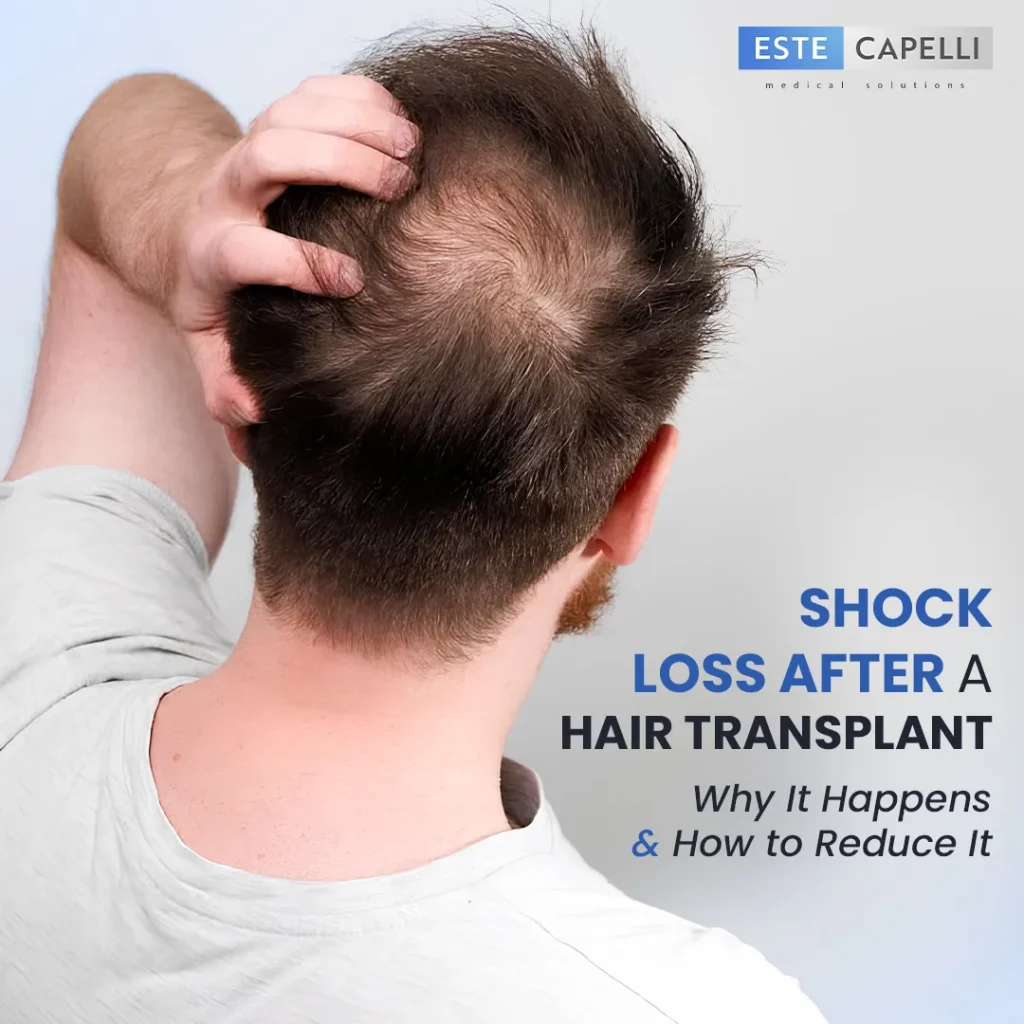
After the surgery, the first hairs that grow from the transplanted follicles will indeed fall out, and this is completely expected—it is a natural part of the hair transplant process. Shock loss following a hair transplant procedure is one of the key stages of the treatment. All transplanted hairs initially shed; however, there is no need for concern, as they will grow back stronger. What Is Shock Loss? Shortly after the transplanted follicles heal and the scabs fall off, all implanted hairs shed rapidly. Shock loss is the term used to describe this sudden shedding of all transplanted hairs, typically occurring around two weeks after the hair transplant surgery. Since patients are thoroughly informed before and after the procedure about the recovery process, they understand that shock loss is not a cause for panic. After this phase, a new growth cycle begins, during which permanent hairs start to emerge. Watching your appearance gradually change in the mirror and feeling your hair grow day by day can be an exciting experience. The hairs that grow after shock loss are initially thinner and weaker but gradually become thicker and stronger. It typically takes between 6 months to 1 year for the final results of a hair transplant to fully develop. When Will My New Hair Grow After Shock Loss? Hair growth speed varies from person to person, but on average, new and permanent hair begins to grow within approximately two months. In a successful hair transplant procedure, we expect every transplanted graft to survive, meaning new hair will grow from all follicles after the shock loss phase. In some individuals, certain follicles may temporarily enter a resting (dormant) phase after shock loss, which is completely normal. This is part of the natural growth and regeneration cycle of hair follicles. Will My New Hair Fall Out Again After a Hair Transplant? The hairs that grow after shock loss are your permanent hairs and will not fall out, because the follicles taken from the donor area are genetically resistant to hair loss. Before performing a hair transplant, it is important for hair loss to stabilize so that non-shedding follicles can be identified. The back of the head (occipital area) generally contains strong follicles that last a lifetime. Since grafts used in transplantation are harvested from this area, the new hairs that grow after a hair transplant are also highly resistant to future hair loss.

21 April 2026
Is Hair Transplant a Painful Procedure?

Hair transplant surgery is an effective and permanent solution developed to combat hair loss, allowing us to achieve the most aesthetic and natural-looking results. The procedure involves transplanting the patient’s own hair follicles into bald areas through a surgical operation performed under local anesthesia. Thanks to painless anesthesia techniques, hair transplantation in Turkey can now be performed with almost no discomfort, although individuals with a very low pain threshold may still experience some sensitivity. Each graft is extracted individually, and hair strands are implanted one by one. It is a procedure that requires considerable precision, effort, and patience. The operation may sometimes last up to 8 hours; however, during the procedure, patients can watch movies, listen to music, or read a book. Hair transplantation is classified as a minimally invasive cosmetic procedure. It is not as painful as commonly believed, and clinics provide various amenities to ensure that patients remain comfortable throughout the long surgical session. Does Pain Threshold Vary from Person to Person in Hair Transplantation? You will not feel pain during the hair transplant procedure because the scalp is numbed with local anesthesia. However, when the anesthesia injections are first administered, you may feel mild discomfort. For individuals with a very low pain threshold or needle phobia, tolerating this brief discomfort may be more challenging. Many people who dream of restoring their lost hair postpone the procedure due to fear of pain during or after surgery. However, with the help of sedation and new needle-free anesthesia techniques, patients can now achieve their goals with painless hair transplantation in Turkey and confidently restore their hair. Anesthesia in Hair Transplantation Since the procedure is performed under anesthesia, no pain is felt during surgery. After the operation, painkillers are prescribed to manage potential discomfort, antibiotics are given to prevent infection, and additional medications may be provided according to the patient’s needs to ensure a comfortable recovery. As with any surgical intervention that affects tissue integrity, it is normal for the body to react, and mild soreness after a hair transplant is expected. Ultimately, hair transplantation is a surgical procedure; however, painless anesthesia techniques and methods involving micro-incisions such as Sapphire FUE and DHI have minimized discomfort to a very low level. Pain After Hair Transplant Surgery After the first night following the procedure, most patients experience significant relief. Provided they protect their head, they can resume most of their daily activities. Despite this general trend, it should be noted that experiencing some pain after a hair transplant is normal and expected. Post-operative discomfort may last for several days. Even with painkillers, it may occasionally reach moderate levels. Symptoms such as numbness, itching, or tingling may also occur. Although hair transplantation is generally considered a minimally painful process, it is normal to experience some discomfort in the donor area, the recipient area, and across the scalp after surgery. Typically, pain completely subsides within 2 to 4 days, and within one week, most patients no longer have any complaints. At this stage, the recovery process continues, and the excitement of growing new hair begins.

21 April 2026
Can Diabetic Patients Undergo a Hair Transplant?

Yes, in Turkey, diabetic patients can regain their lost hair after successful hair transplant operations. However, after giving this general answer, we must add that unfortunately, not every diabetic patient may be a suitable candidate for a hair transplant. Like many people suffering from hair loss, individuals with diabetes also have the right to undergo a hair transplant procedure. Hair loss is one of the major changes that can seriously affect a person’s self-confidence and self-esteem. The goal of aesthetic procedures such as hair transplantation is to improve physical appearance and compensate for the negative psychological effects of baldness. Diabetes can cause hair loss. In some cases, lost hair may grow back with treatment; in other cases, the loss can be permanent. In such situations, diabetic patients who wish to benefit from the positive socio-psychological effects of hair transplantation often seek answers to the following questions: Can diabetic patients undergo a hair transplant? Are hair transplants performed for diabetic patients in Turkey? Can patients with Type 1 diabetes have a hair transplant? Is diabetes an obstacle to hair transplantation? How is a hair transplant performed on diabetic patients? Can patients with Type 2 diabetes undergo a hair transplant in Turkey? Diabetes and Hair Loss Hair loss may occur due to circulatory insufficiency caused by diabetes, as hair follicles may not receive adequate nourishment. Hormonal imbalances, autoimmune conditions, weakened immune system, and the body’s slowed healing and regeneration mechanisms are other consequences of diabetes that can contribute to hair loss. Although diabetes is not considered a direct cause of hair loss, some of its consequences may indirectly lead to hair thinning or loss. Additionally, medications used during treatment may have side effects such as hair loss. Once treatment reaches a stable stage and blood sugar levels are properly regulated, hair loss can be permanently compensated with a hair transplant. Hair Transplant for Diabetic Patients in Turkey Many patients with Type 2 diabetes successfully regain their hair through hair transplant surgery in Turkey. However, certain precautions must be taken and specific measures followed to achieve satisfactory results and ensure a smooth recovery process. Before hair transplantation in diabetic patients, insulin levels and blood glucose levels are monitored during the pre-operative preparation period. Blood sugar must be under control. This is essential both for the patient to endure the hair transplant procedure, which can last at least 8 hours, and to ensure a healthy post-operative wound healing process. Hair Transplant for Type 1 Diabetes Since patients with Type 1 diabetes cannot produce insulin, they meet their daily needs through insulin injections. Because hair transplant surgery is a long procedure, it can cause fluctuations in blood sugar levels even in healthy individuals. For this reason, hair transplantation is generally not recommended for patients with Type 1 diabetes. Hair Transplant for Type 2 Diabetes If blood sugar levels are confirmed to be under control, Type 2 diabetes is not considered a contraindication for hair transplantation in Turkey. For a safer procedure and improved wound healing, the hair transplant team may request consultation with the physician managing the patient’s diabetes. The progression of the disease, the current condition of the patient’s immune system, and the history of hair loss should be evaluated through a comprehensive and holistic approach. Duration of Hair Transplant Surgery in Diabetic Patients To ensure that diabetic patients tolerate the procedure in the best possible way, minimally invasive techniques such as DHI or Sapphire FUE should be preferred, depending on the extent of transplantation, and the operation should be completed in the shortest possible time. Hair transplantation is a lengthy and delicate aesthetic procedure. When diabetes is involved, additional attention must be given to maintaining blood sugar balance throughout the process. Wound Healing in Diabetic Patients After hair transplantation, thousands of micro-wounds are created on the scalp. While these tiny incisions heal within a few days in healthy individuals, the healing process may take longer in diabetic patients. Due to immune system-related complications, patients with Type 2 diabetes may be more prone to infection. Therefore, extreme care and attention are required. The most critical stage of hair transplantation for diabetic patients is the post-operative wound healing period. By strictly following your doctor’s recommendations and working with a clinic that carefully monitors the recovery process, this stage can also be successfully completed. Hair Transplant for Diabetic Patients in Istanbul It is essential that the hair transplant team performs the procedure without rushing, maintains the aesthetic quality of the transplant, and remains fully aware that the patient has diabetes. Choosing experienced clinics and medical teams in Istanbul that specialize in hair transplantation for diabetic patients is the right approach.

21 April 2026
Unshaven Hair Transplant

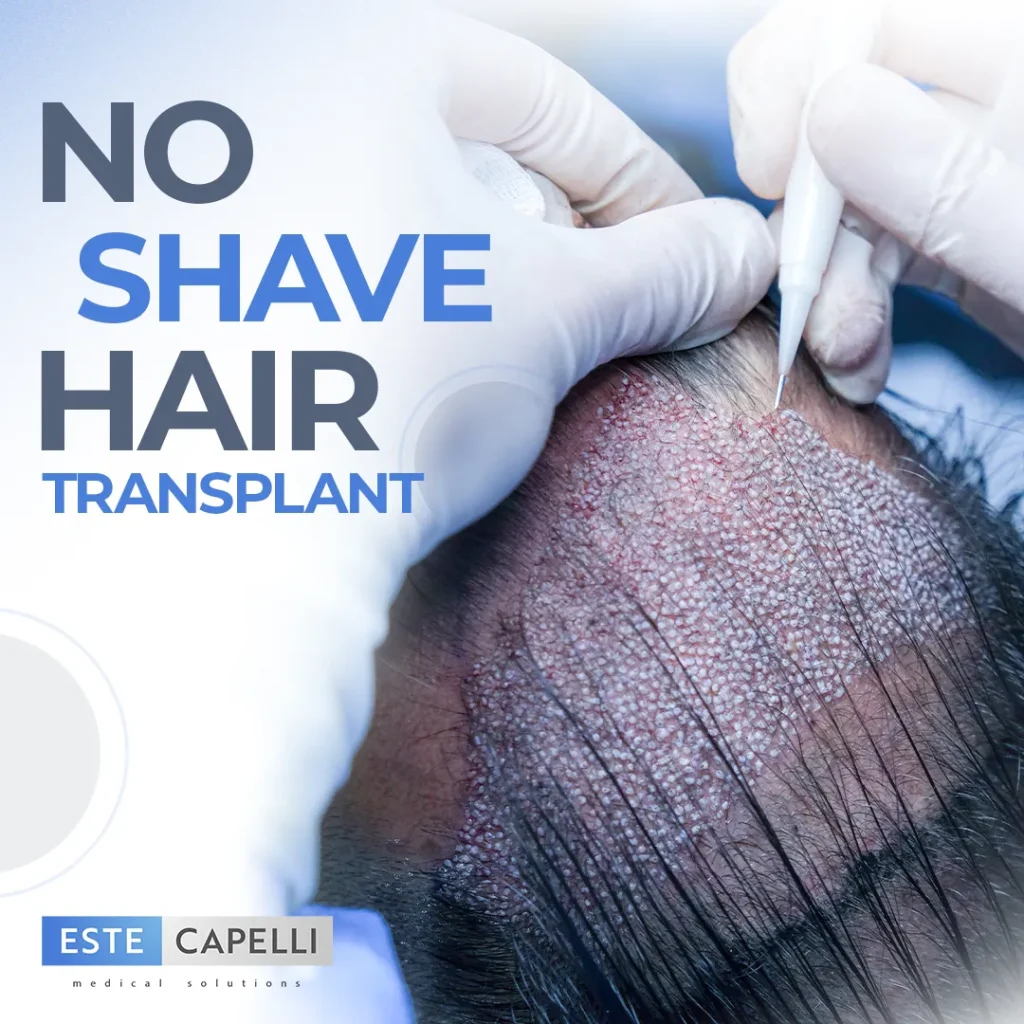
The method that fulfills the dream of patients who want a hair transplant but refuse surgery just to avoid shaving is the no-shave hair transplant. A hair transplant operation is a tissue (hair follicle) transfer procedure, and for the strongest and healthiest follicles to be easily selected, the donor area needs to be shaved. For some patients, especially women, this can be a disadvantage. For those who do not want the operation to be highly noticeable or attract attention in social life, no-shave hair transplant is a revolutionary solution. What is a No-Shave Hair Transplant? No-shave hair transplant, which can be performed using DHI or FUE hair transplant methods, is a procedure where the patient’s head is not shaved. It is suitable for men and women with hair loss in a specific area who do not want to shave. How is No-Shave Hair Transplant Performed? The donor area is shaved as minimally as possible after identifying the most productive area to hide among existing hair. The follicles taken from here are directly implanted using the Choi Pen in DHI, whereas in FUE, the follicles are first collected and then individually transplanted into the opened channels. After a no-shave hair transplant, patients can continue styling their hair as usual, and the donor area is hidden among existing hair, making it invisible. Results of No-Shave Hair Transplant Patients who undergo no-shave hair transplant experience less social discomfort during the healing period since the donor area is not prominently visible. Similar to other methods, the final results become fully apparent within 6 months to 1 year. The so-called “shock loss” period will also occur in no-shave hair transplant. If the DHI method was used for the no-shave procedure, the micro-channels created by the automatic pen are much smaller, allowing the healing process to be faster compared to the FUE method. No-Shave Hair Transplant in Turkey In Turkey, no-shave hair transplant is frequently performed using the DHI method with Choi Pen. Mastery of the Choi Pen, combined with exceptional success and experience in hair transplantation, has made Turkey the world’s number one center not only for hair transplantation but also for the more intricate no-shave hair transplant procedures. Thanks to no-shave hair transplant, it is not necessary to shave the donor area and/or the entire head while regaining your hair in Turkey. No-Shave Hair Transplant Costs Compared to classic hair transplant, no-shave hair transplant costs are generally 25–33% higher. The procedure requires more attention, effort, and time, which increases the overall cost. Who is a Suitable Candidate for No-Shave Hair Transplant? Initially, no-shave hair transplant was primarily for those with hair loss in a specific area and for women. Today, it is chosen by a much wider range of patients. With the diversification of the automatic pen used in DHI and the tips used in FUE, no-shave hair transplant has become suitable for more people. Specifically, it is preferred by: Men and women who want a hair transplant but do not want to cut their hair. Those who do not want others to notice or discuss their hair transplant in work or social life. Anyone who wants a hair transplant without changing their appearance.

21 April 2026
Hair Transplant for HIV Positive Patients in Turkey

The medical term "HIV positive" refers to people who carry the virus but are not sick. Not all HIV-positive individuals are contagious, and being HIV positive is not the same as having AIDS. As emphasized in awareness campaigns years ago, excluding HIV carriers only leads to social stigmatization, and no one has the right to do so. However, healthcare institutions are required to take certain precautions according to patient rights and universal health rules. Here, the safety of both the HIV-positive patient and other patients and the surgical team is ensured. The clinic has the right to refuse hair transplantation to HIV-positive patients if proper hygiene is not available or if there is a risk of transmitting the virus to other patients or the medical team. Can HIV-positive patients get hair transplantation in Turkey? Yes, they can. There are clinics in Turkey that perform hair transplantation for HIV-positive patients. However, not every HIV-positive patient is a suitable candidate, because the immune system of the patient must be compatible with the hair transplant procedure. Hair transplantation for HIV-positive patients in Istanbul Hair loss is common among HIV-positive patients. It may occur as a side effect of medication, leading to permanent hair loss. Regardless of gender, significant hair loss can negatively affect facial appearance and self-esteem. Baldness can impact social life. HIV-positive patients may be more affected by the negative effects of hair loss than non-carriers. Therefore, regaining hair is a particularly valuable procedure for HIV-positive men and women. Hair transplantation in Turkey is carried out with sensitivity to the psychological and social impact of hair loss. Clinics in Istanbul perform these procedures with meticulous care for HIV-positive patients. Hair transplantation for HIV-positive patients in Istanbul is performed with high attention and care. Clinics in Istanbul have demonstrated worldwide that with knowledge, proper equipment, meticulous hygiene, and care, hair transplantation for HIV-positive patients is both possible and safe. Every year, many HIV-positive patients from around the world regain their hair in Turkey. The results in Istanbul satisfy both patients and clinics. Precautions for hair transplantation in HIV-positive patients Conscious patients who are aware of their HIV status usually know the medical procedures well. HIV-positive patients are typically very aware of how to protect themselves and others. Rarely, some patients may discover their HIV-positive status only during pre-transplant tests. In such cases, the procedure may be postponed. There are three main points to consider: Due to a weakened immune system, preparation may be required before any surgical procedure. The patient’s immune system must be checked. In risky cases, the operation should be postponed. HIV is transmitted through blood. Surgical procedures like hair transplantation must be performed under high hygiene conditions with proper precautions. During and after the procedure, the HIV-positive patient must be maximally protected against infections. Additional precautions for HIV-positive patients during hair transplantation include: Paying strict attention to personal hygiene before and after surgery. Avoiding anything that may weaken the immune system prior to surgery. Informing the doctor of any discomfort before the procedure. Isolating oneself before the surgery to prevent viral infections, if necessary. During healing, temporary isolation may be a precaution. Avoid alcohol, smoking, and other factors that weaken immunity. Maintain proper sleep patterns. Request information regarding the hygiene of surgical tools before and after surgery.

21 April 2026

Your Complete Guide to Hair Transplantation in Turkey

Thinking about getting a hair transplant in Turkey? You’re not alone—thousands of patients from around the world choose Turkey every year for its world-class expertise and state-of-the-art medical facilities. From advanced techniques like FUE and DHI to personalized treatment plans, the country has become a global leader in hair restoration. At Estecapelli Medical Solutions, we ensure that every patient receives safe, effective, and natural-looking results. Our experienced medical teams guide you through every step, from consultation to full recovery.

Your Complete Guide to Hair Transplantation in Turkey