


Your Recovery, Step by Step
What you do after your hair transplant matters just as much as the procedure itself. Here is exactly what to expect — and what to do — from the first 24 hours to the day your final result is complete.
Things to Do & Things to Watch For
Your hair transplant recovery follows a clear, predictable timeline. Knowing what happens at each stage — and following your aftercare plan closely — protects the grafts and gives you the fullest, most natural result.
This is the Estecapelli post-operation guide: the things to do and the things to pay attention to, stage by stage, from the day of your procedure through to full results.

Your Hair Transplant, Day by Day
From the first 24 hours to the completion of your results. Swipe through each stage below.
-
First 24 Hours
The First 24 Hours
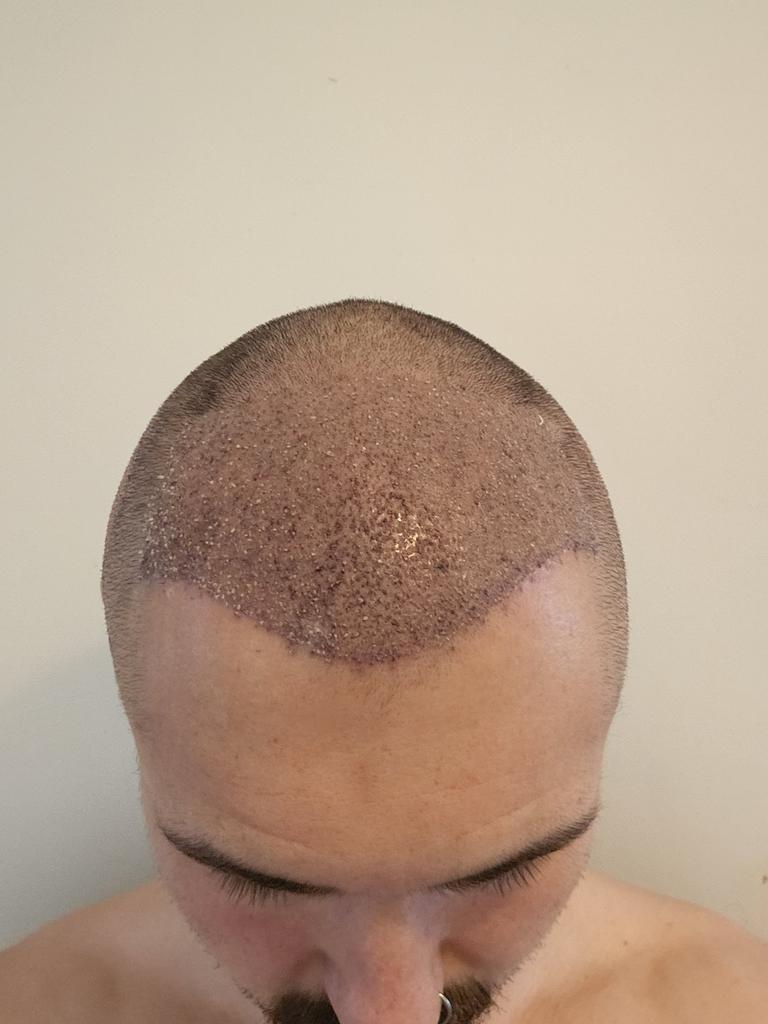
Mild redness, swelling and sensitivity around the transplanted and donor areas are completely normal. Keep your head elevated, sleep on your back, do not touch or scratch the area, and take the medication we provide exactly as directed.

-
Day 1
Dressing & First Wash
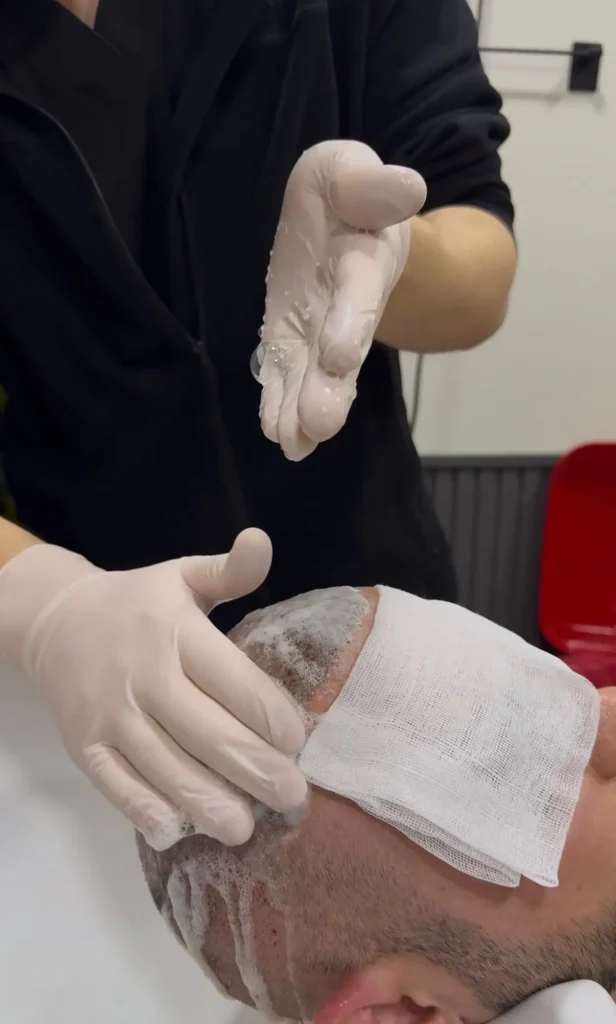
After the procedure, you will return to the clinic so our medical team can check your dressing and perform your first gentle hair wash. During this session, we carefully demonstrate the correct washing technique step by step, ensuring you feel confident continuing it at home. This method is designed to cleanse the area without disturbing the newly implanted grafts and to support safe healing during the initial recovery phase.

-
Days 2–7
Daily Washing Routine
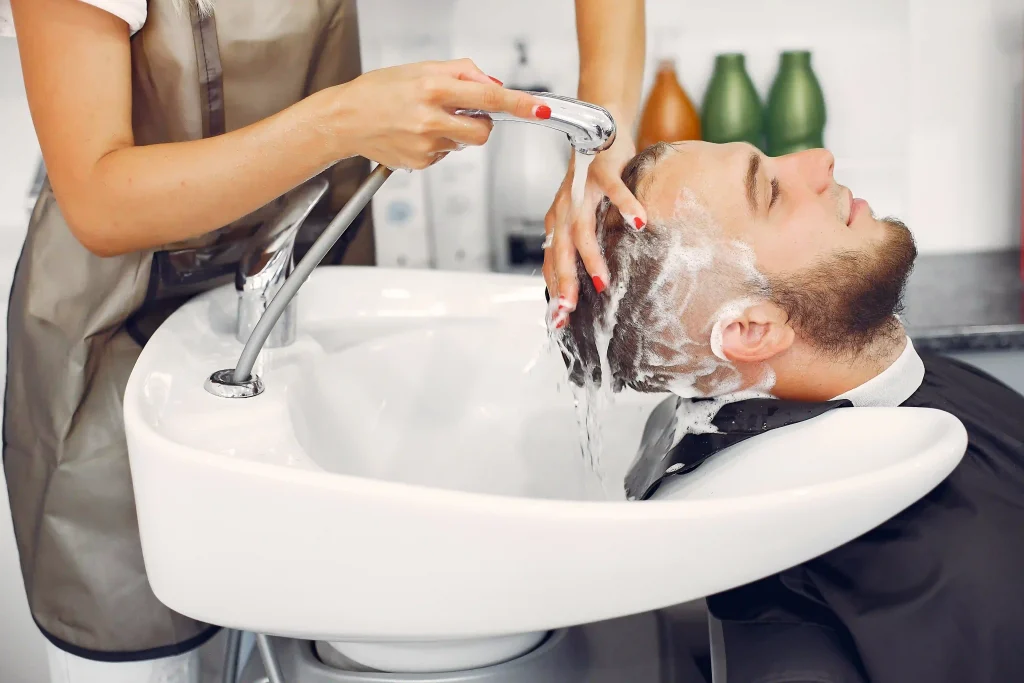
Continue the daily washing routine exactly as demonstrated, using the lotion and special shampoo provided. Swelling settles and small scabs begin to form around each graft — this is part of normal healing.

-
Day 7
Grafts Secured
By around the seventh day the grafts are secure and most swelling has resolved. You can gradually return to your normal routine while still protecting the scalp from knocks and direct sun.

-
Days 9–12
Scab Shedding Phase
The scab shedding phase is a natural part of healing, occurring around the 7th to 10th day. With gentle washing the small scabs loosen and fall away on their own — never pick or scratch at them.

-
Day 30
Shock Shedding
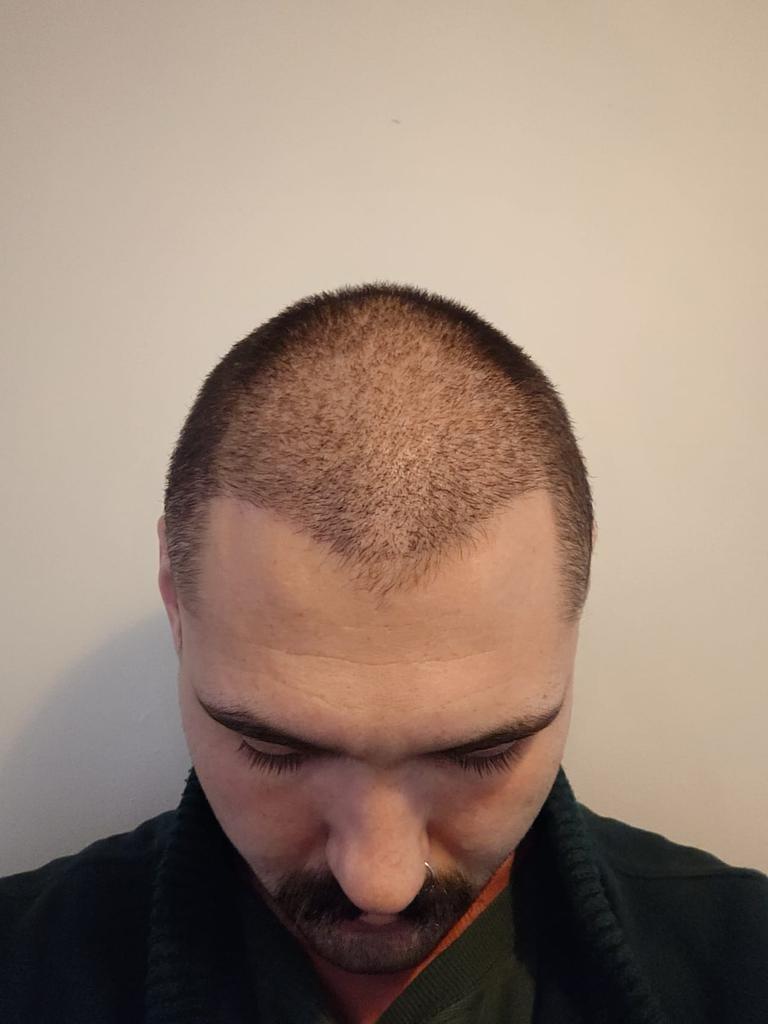
During the first one to three months some transplanted hairs temporarily shed — a normal phenomenon called shock loss, caused by the follicles entering a brief resting phase before regrowing stronger.
-
Months 2–4
New Growth Begins
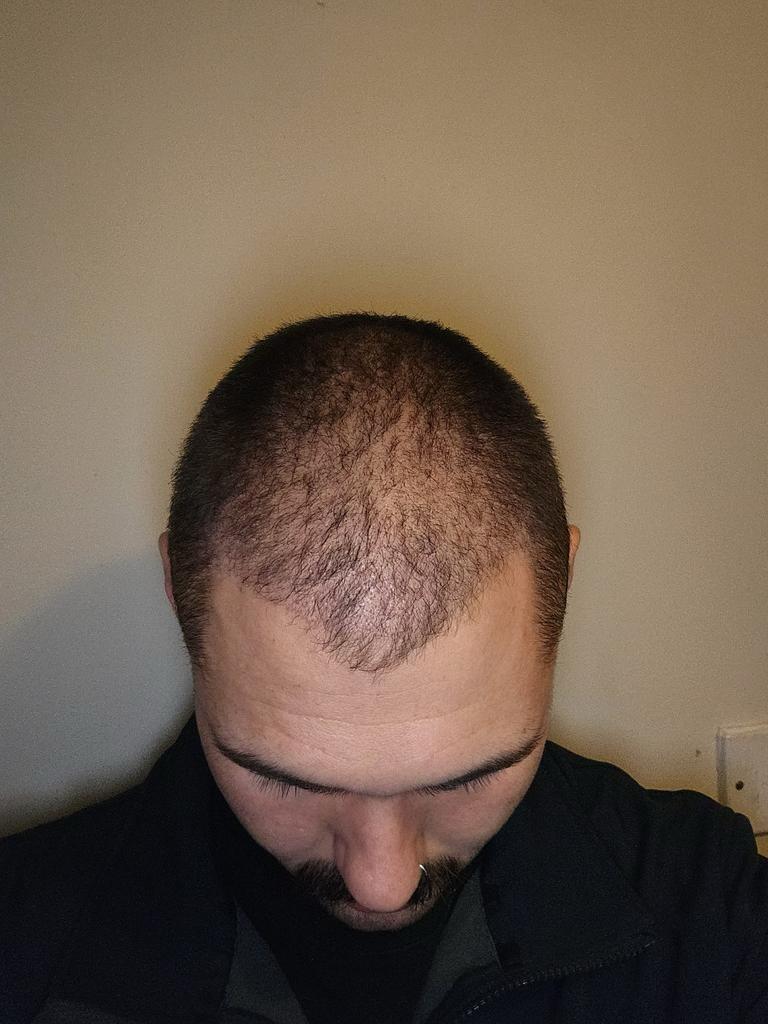
The resting follicles reactivate and new hair growth typically begins around the third to fourth month. Early hairs may look fine and sparse at first before they thicken over the following weeks.
-
Months 4–12
Density Builds
Density steadily increases as more follicles enter the growth phase. The transplanted hair thickens, gains its natural texture and begins to blend seamlessly with your existing hair.
-
Months 12–18
Completion of Results
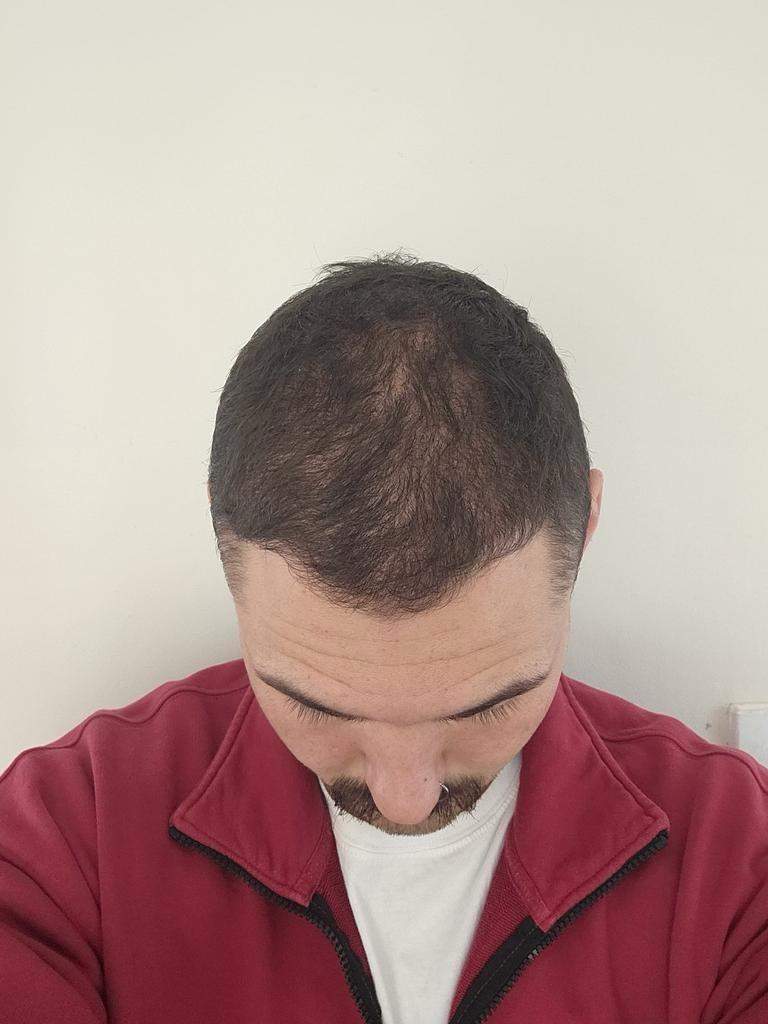
Your final result matures, with full density and a completely natural look. The transplanted hair is permanent and can be cut, washed and styled exactly like the rest of your hair.

What to Do During Recovery
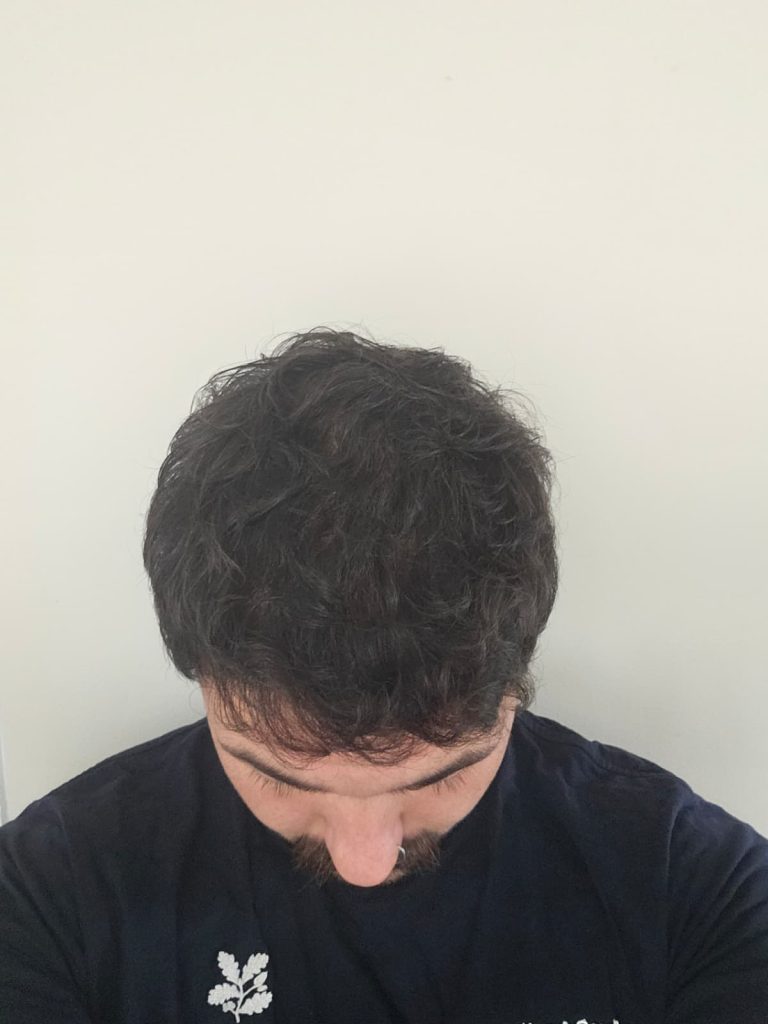
Following your personalised aftercare plan closely is the single best thing you can do for your result:
- Use the special shampoo and lotion exactly as instructed
- Keep up your monthly PRP sessions
- Take the prescribed medications and vitamins
- Continue any recommended mesotherapy treatments
- Follow your individualised aftercare plan throughout
Treatments We Recommend to Boost Your Result
To strengthen the new follicles and accelerate healthy growth, Estecapelli may recommend supportive treatments alongside your recovery:
- Exosome injection — to support follicle health and growth
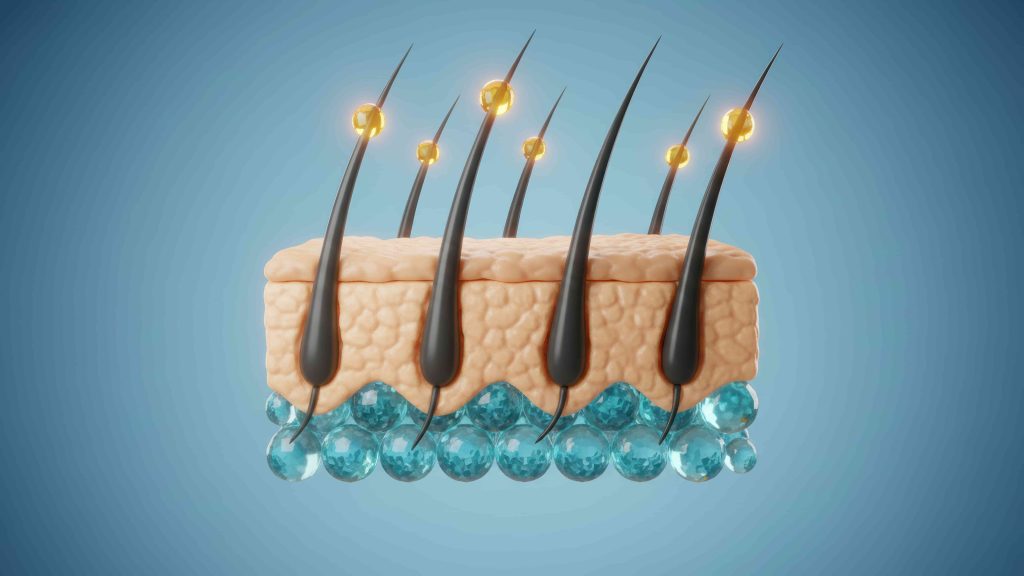
- PRP (Platelet-Rich Plasma) — to stimulate the scalp and strengthen hair
- Mesotherapy — to nourish the follicles with vitamins and minerals
- Stem cell therapy — to encourage stronger, healthier regrowth
After Your Transplant — Frequently Asked Questions
When can I wash my hair?
Your first wash is done at the clinic on Day 1, where our team shows you the gentle technique. From then on you continue the daily washing routine at home with the lotion and shampoo we provide.
When do the scabs fall off?
The scab shedding phase happens around the 7th to 10th day. With gentle washing the scabs loosen and fall away on their own — it is important never to pick or scratch at them.
Is it normal to lose hair after the transplant?
Yes. Between the first and third months some transplanted hairs shed temporarily — this is called shock loss and is completely normal. The follicles then regrow stronger from around the third to fourth month.
When will I see my final result?
New growth begins around months three to four, noticeable density develops between months four and twelve, and your final result is complete at roughly twelve to eighteen months.
Can I smoke or drink alcohol during recovery?
We recommend avoiding smoking for at least one week after the procedure and limiting alcohol, as both reduce blood flow to the scalp and can affect graft survival and healing.
Questions About Your Recovery?
Our patient-care team supports you long after you fly home. Send your details — or a photo — and we will guide you through every stage of your recovery.
- Dedicated post-operative support team
- Send a photo for a quick progress check
- Multilingual support at every step