
What Is a Hair Transplant?
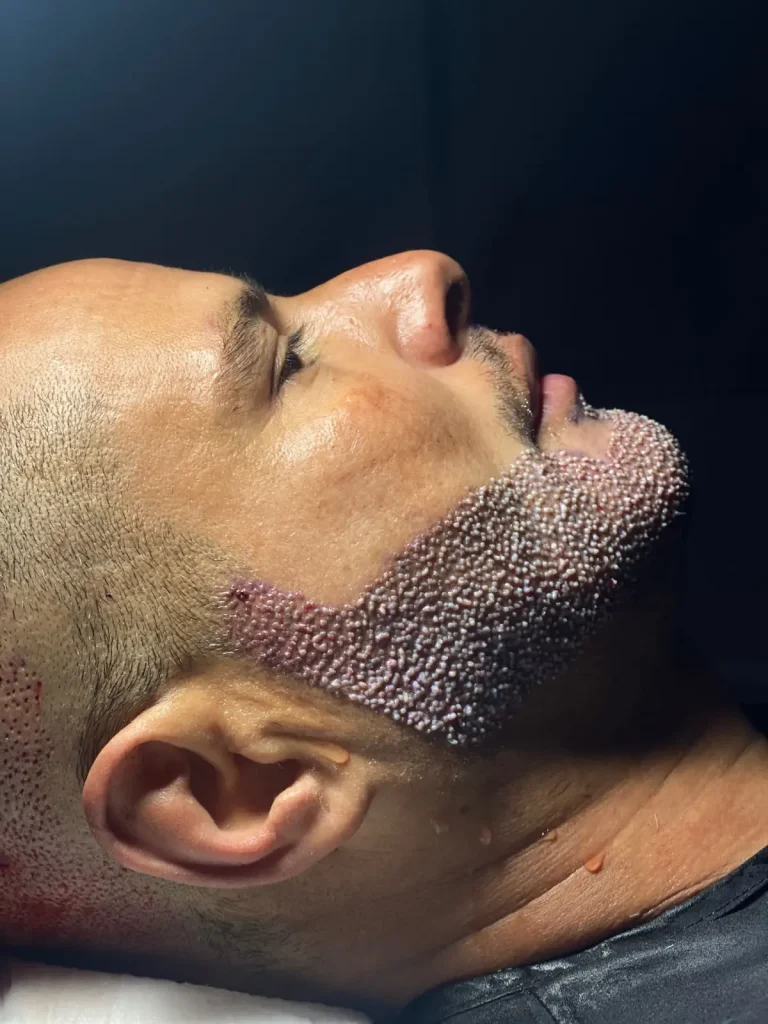
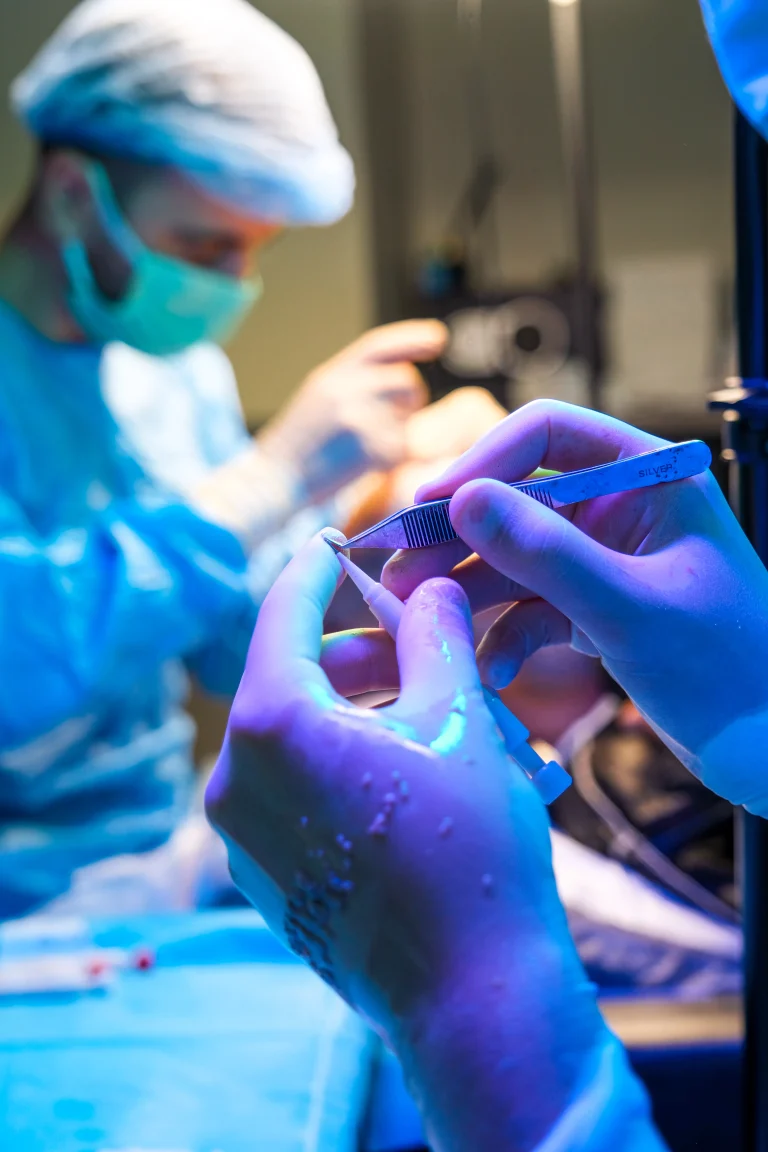
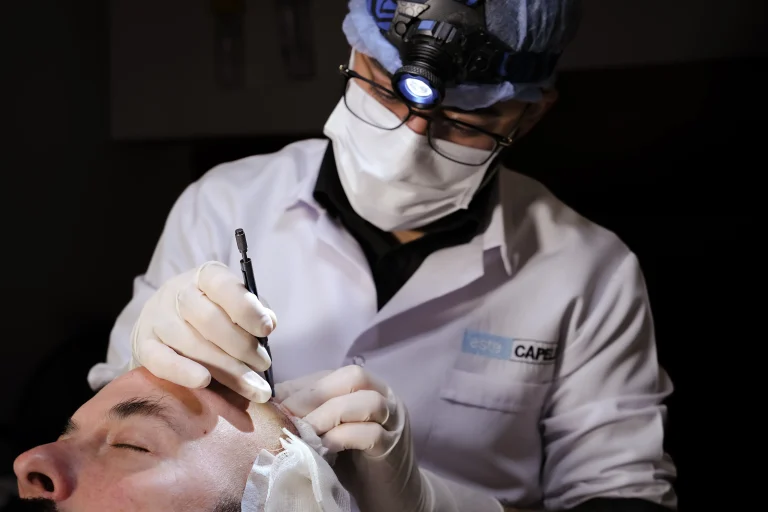
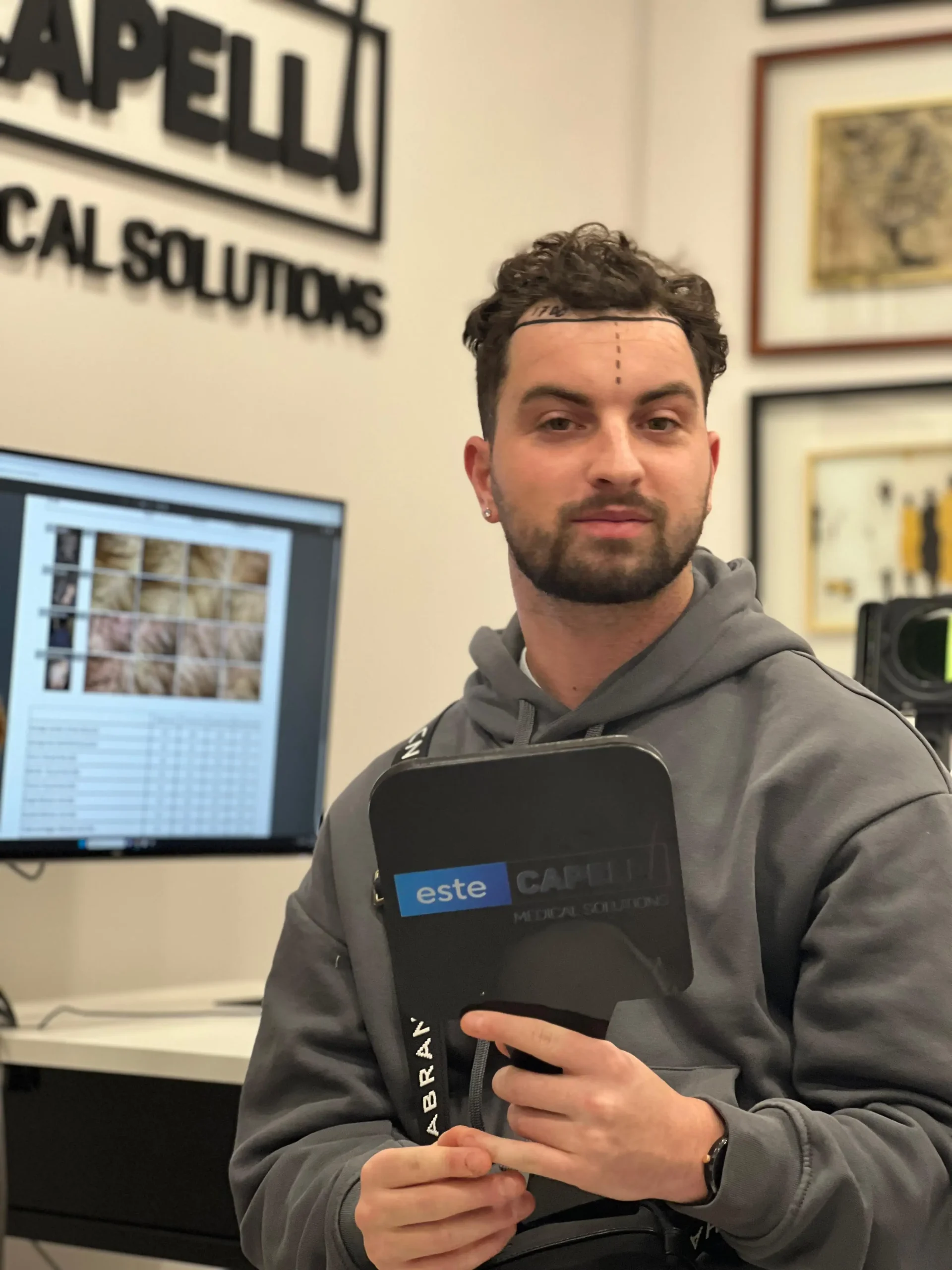
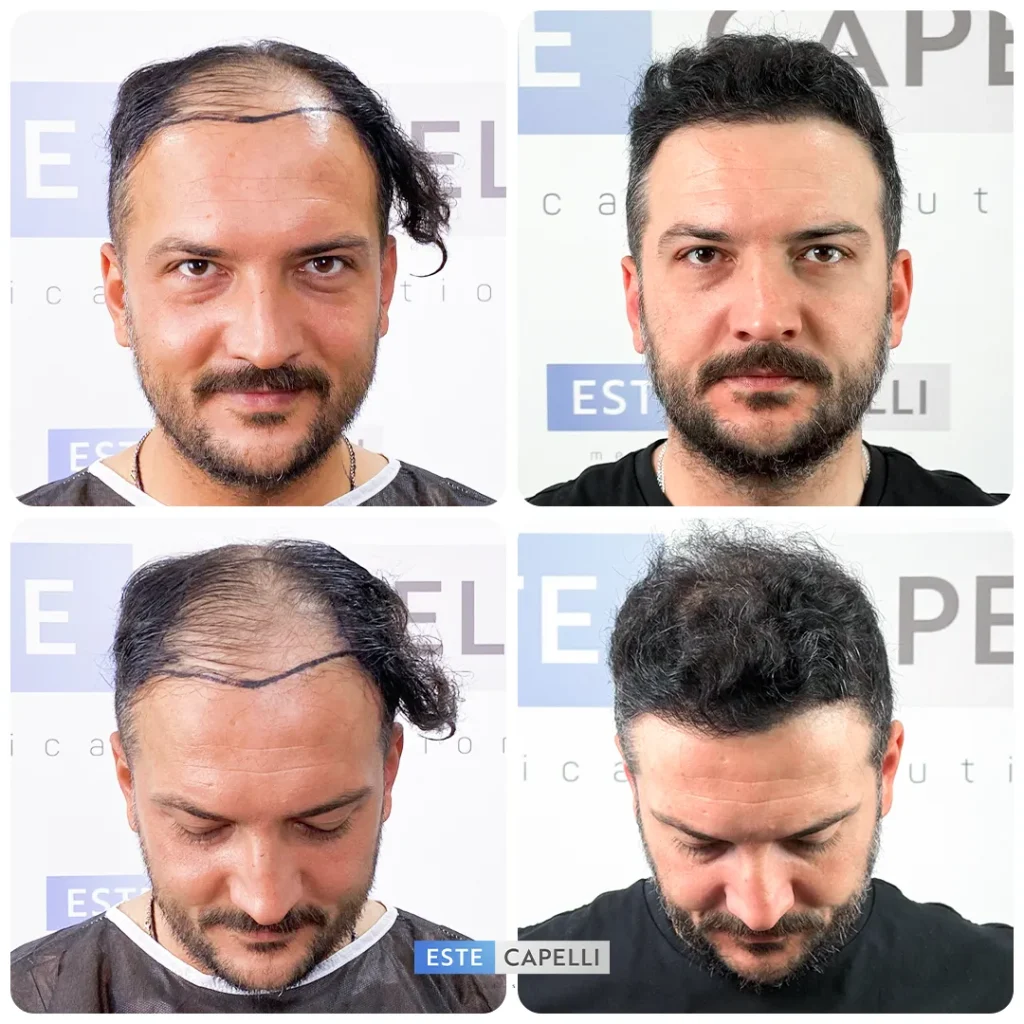
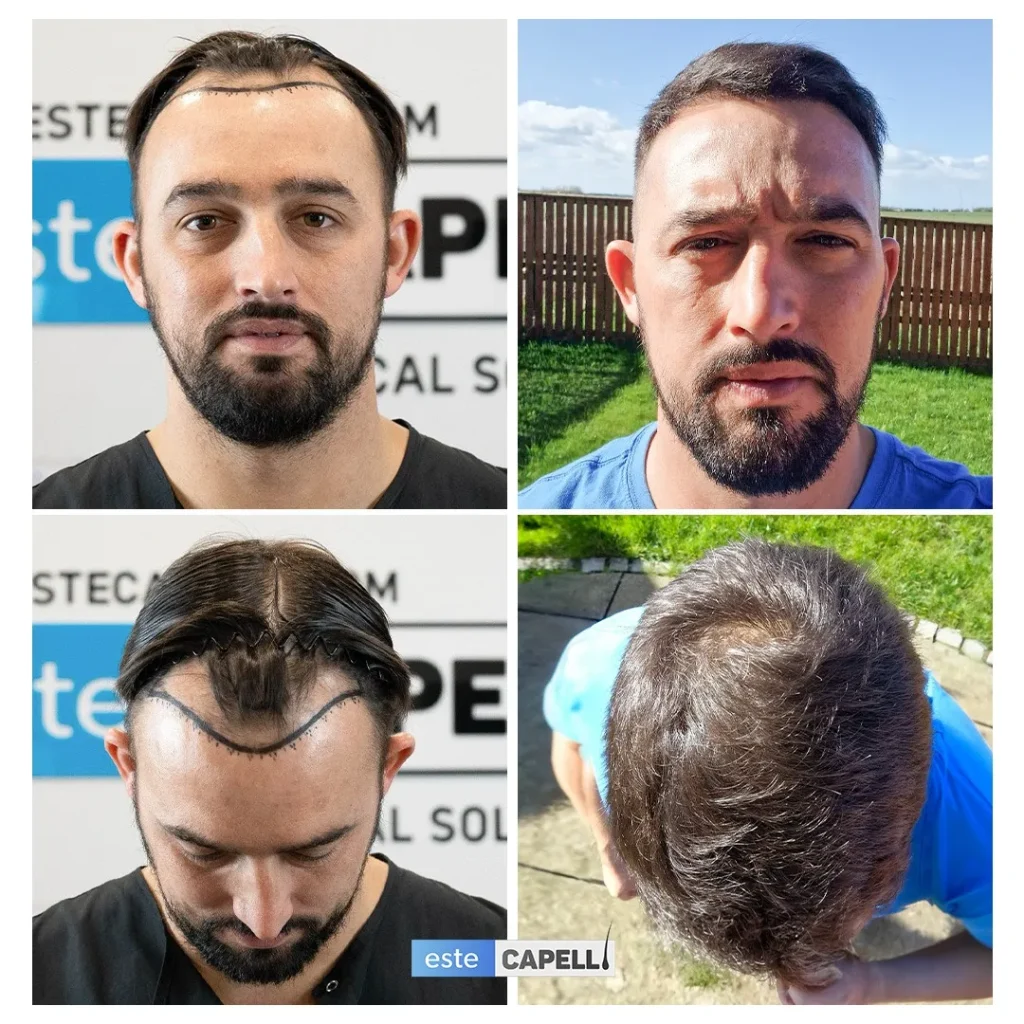
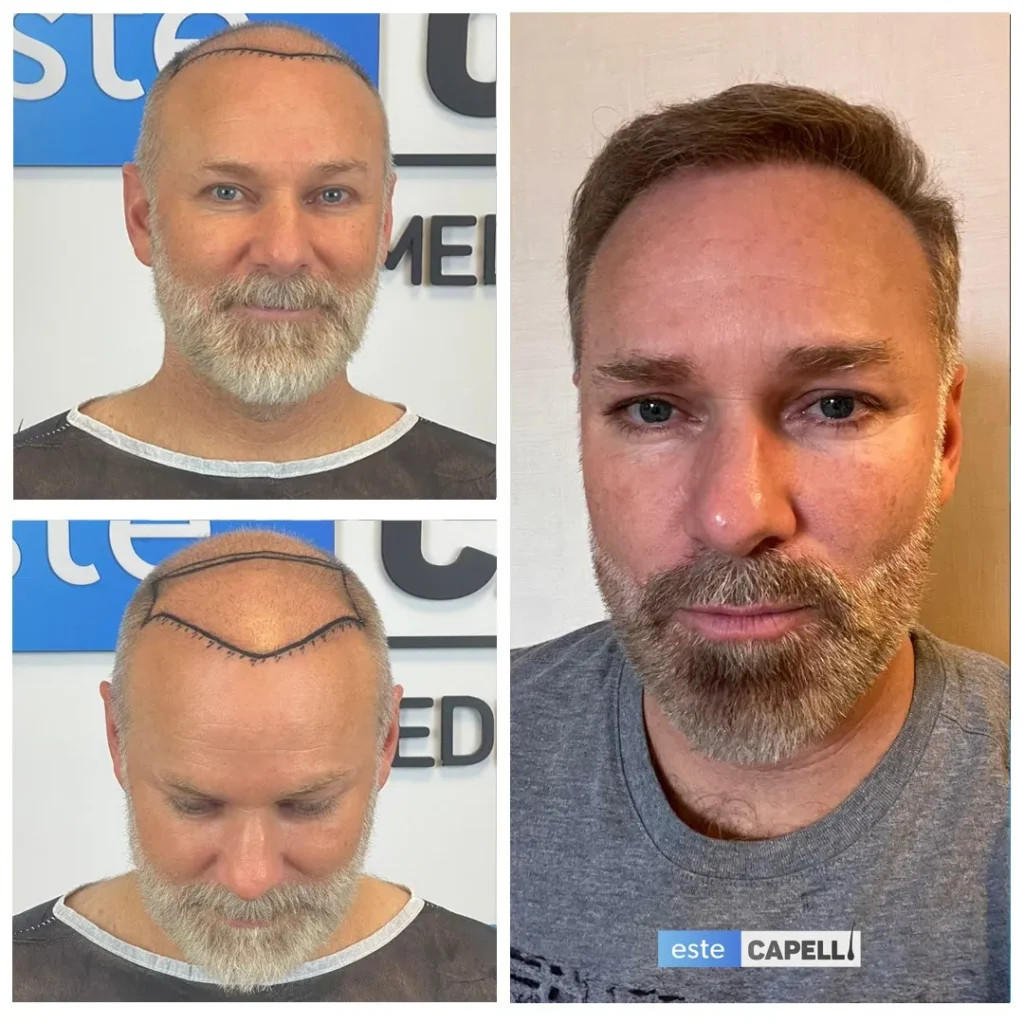
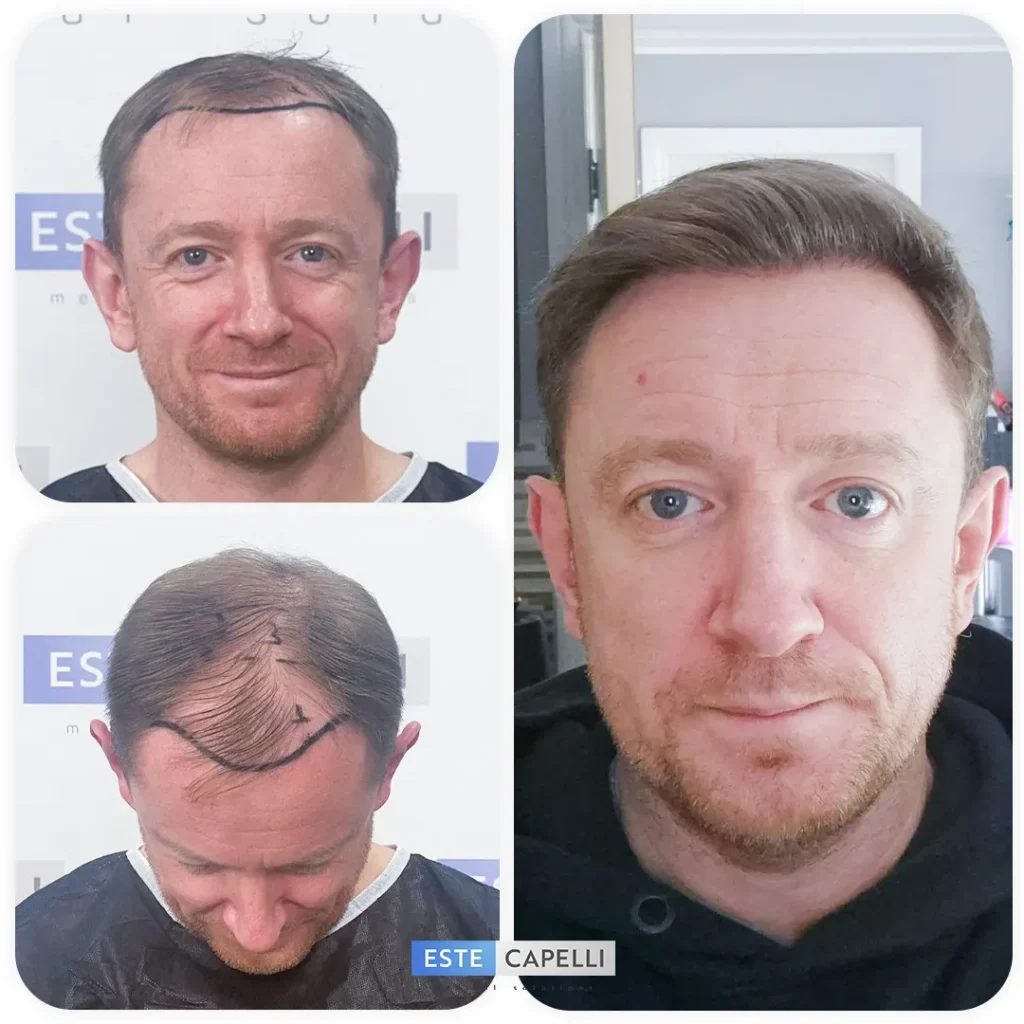
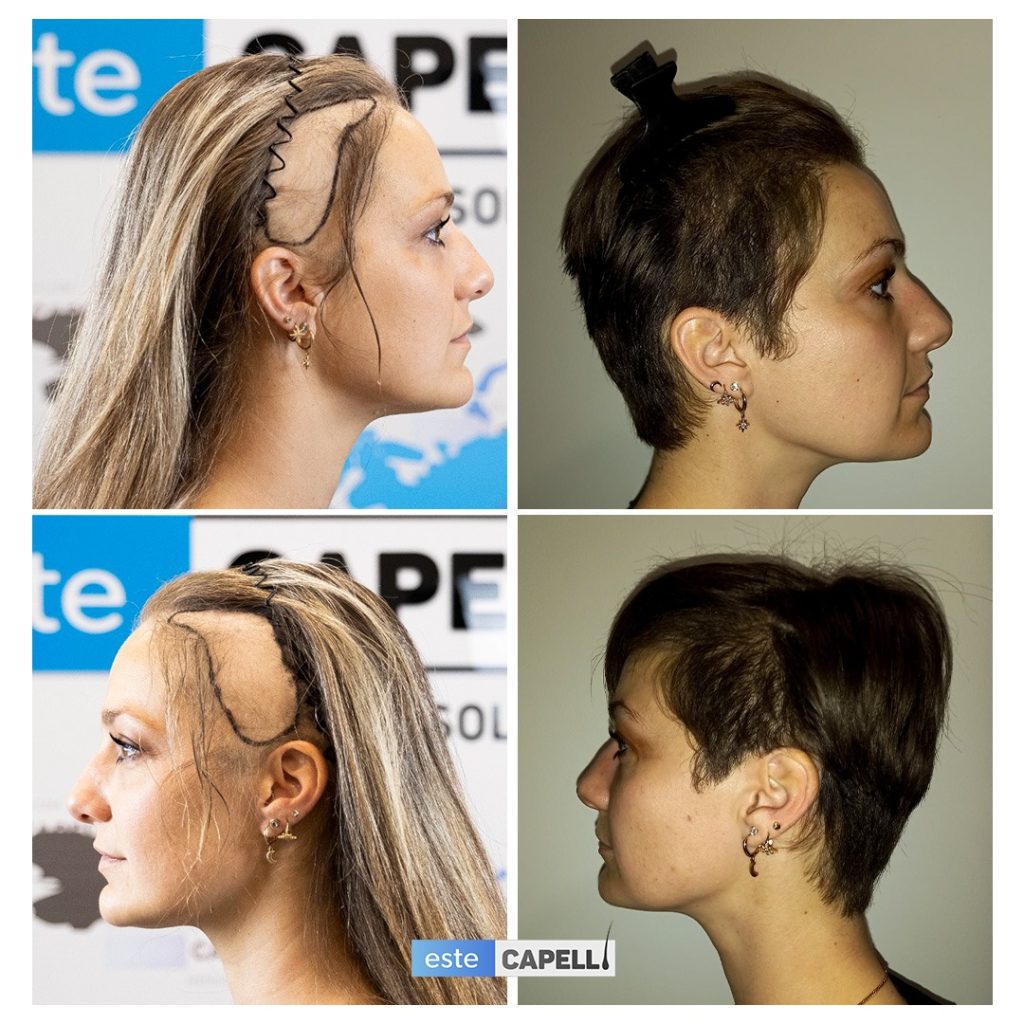
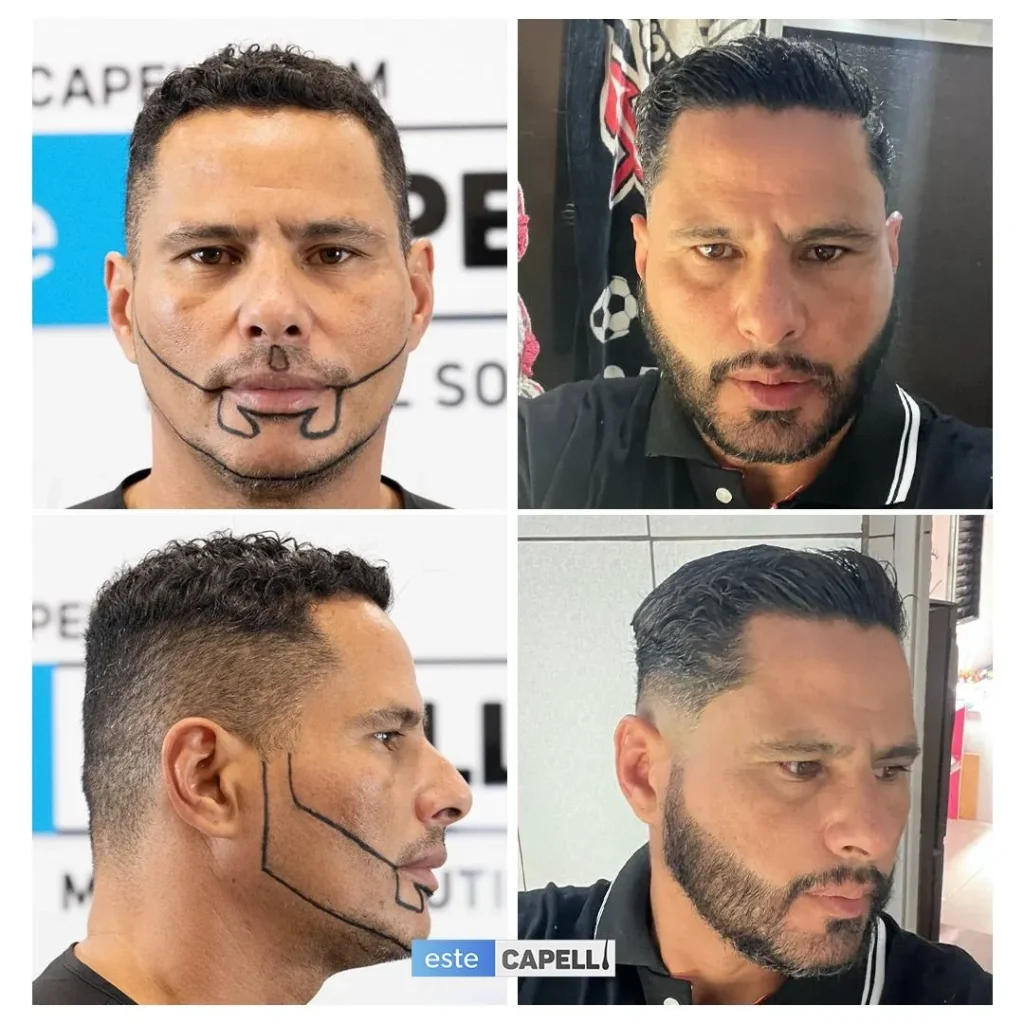
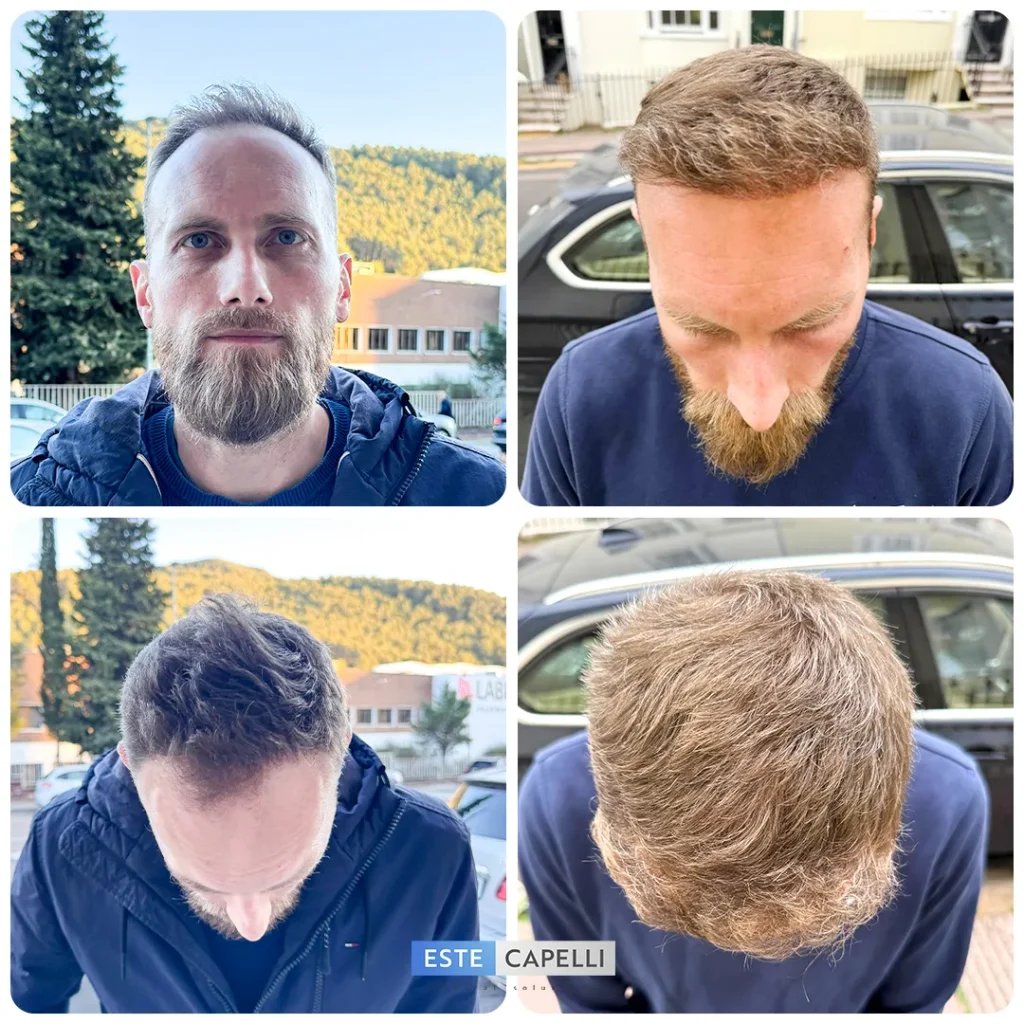
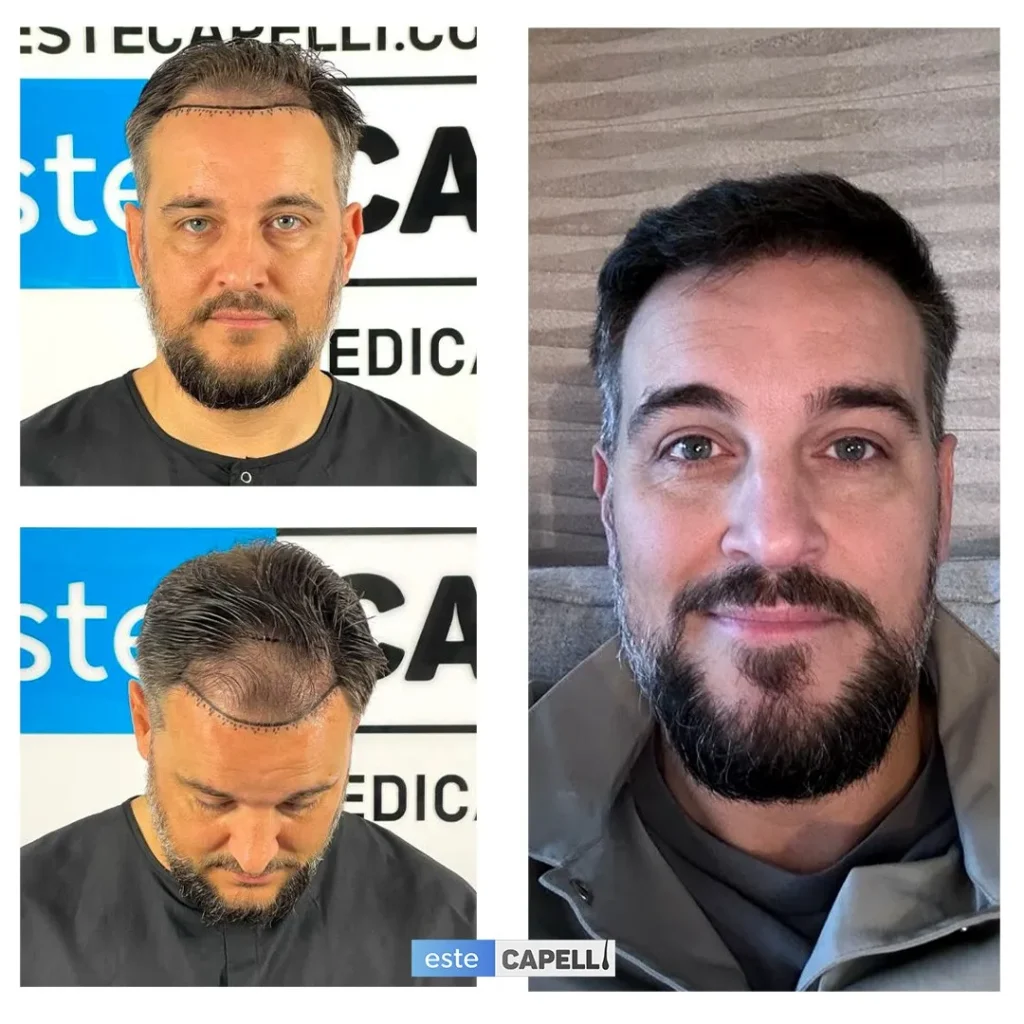
A hair transplant procedure performed at Estecapelli is a proven and permanent solution for individuals experiencing genetic hair loss, offering a natural-looking and long-lasting restoration of hair density. Through advanced techniques and meticulous planning, Estecapelli’s specialists carefully analyze each patient’s hair pattern, donor quality, and aesthetic goals to create a personalized treatment plan.
Benefits of Hair Transplant Procedures
Do Hair Transplants Work?
Discover why millions trust Estecapelli to restore their confidence. Don’t waste your time. Book your Free Consultation Today!
Hair Transplant Techniques
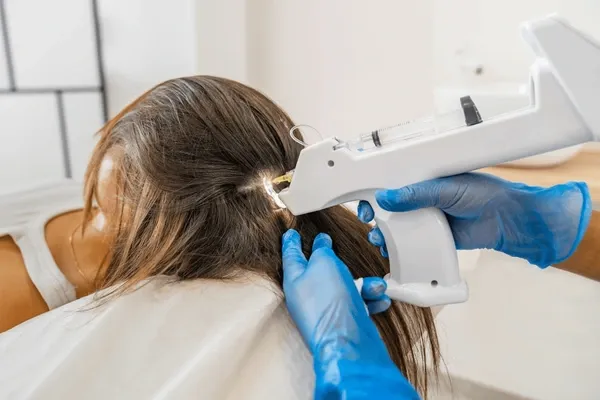
Modern hair transplant techniques offer advanced methods to achieve natural-looking and long-lasting results. Procedures such as FUE, DHI are tailored to each patient’s hair density, level of hair loss, and individual needs. This personalized approach ensures minimal scarring, faster recovery, and high success rates.
Under Which Conditions Should Hair Transplantation Be Performed?
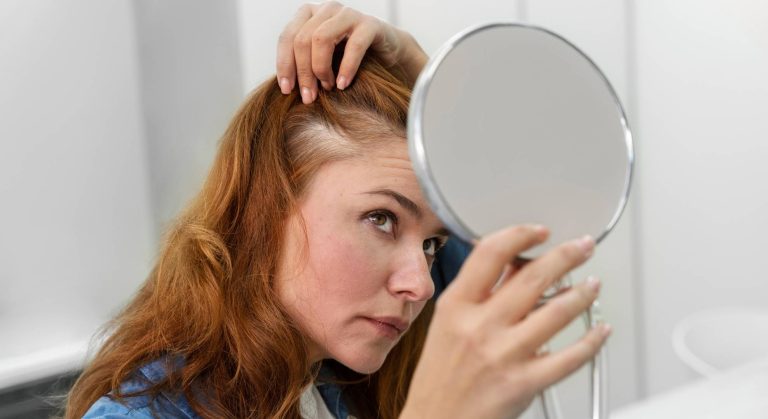
Although there are multiple reasons for hair loss, this is usually due to hormonal deficiency. However, in some cases, hair loss can be prevented with simple treatment methods instead of performing a hair transplant operation. Hair Transplant operations can be done in the following situations:
- Increasing of a small amount of hair loss.
- Your hair starts to decrease significantly.
- Continuation of hair loss against the measures taken.
- Being examined by a specialist doctor and learning the necessity of hair transplantation.
If you encounter a few of these diagnoses or diagnoses, you can search for the right choices for hair transplantation.
Who Can Have Hair Transplantation?
It is beneficial for health that people who will undergo hair transplantation are usually older than 20 and younger than 65. It is a necessary precaution that all medical signs of patients who should not have any health impairment are suitable for hair transplantation. As Estecapelli, health suitability is carefully examined during the hair transplantation process.
Who does not benefit from a hair transplant?
- Women with a widespread pattern of hair loss throughout the scalp.
- People who don’t have enough ‘donor’hair sites from which to remove hair for transplant.
- People who form keloid scars( thick, fibrous scars)after injury or surgery.
- People whose hair loss is due to medication such as chemotherapy.
What happens after a hair transplant?
Your scalp may be sore, and you may need to take medications following hair transplant surgery, such as:
- Pain medication.
- Antibiotics to reduce your risk of infection.
- Anti-inflammatory medications to keep swelling down.
It is normal for the transplanted hair fall out 2-3 weeks after the procedure. This makes way for new hair growth.
Your Dream Look
Balance your facial and body contours with plastic surgery, boosting your confidence with natural and lasting results. Our expert team is here for you with personalized plans.
Frequently Asked Question
Explore our Frequently Asked Questions to find quick, clear answers about Estecapelli’s services and patient experience.
It is beneficial for health that people who will undergo hair transplantation are usually older than 20 and younger than 65. It is a necessary precaution that all medical signs of patients who should not have any health impairment are suitable for hair transplantation. As Estecapelli, health suitability is carefully examined during the hair transplantation process.
Who does not benefit from a hair transplant?
- Women with a widespread pattern of hair loss throughout the scalp.
- People who don’t have enough ‘donor’hair sites from which to remove hair for transplant.
- People who form keloid scars( thick, fibrous scars)after injury or surgery.
- People whose hair loss is due to medication such as chemotherapy.
What happens after a hair transplant?
Your scalp may be sore, and you may need to take medications following hair transplant surgery, such as:
- Pain medication.
- Antibiotics to reduce your risk of infection.
- Anti-inflammatory medications to keep swelling down.
It is normal for the transplanted hair fall out 2-3 weeks after the procedure. This makes way for new hair growth.
Although there are multiple reasons for hair loss, this is usually due to hormonal deficiency. However, in some cases, hair loss can be prevented with simple treatment methods instead of performing a hair transplant operation. Hair Transplant operations can be done in the following situations:
- Increasing of a small amount of hair loss.
- Your hair starts to decrease significantly.
- Continuation of hair loss against the measures taken.
- Being examined by a specialist doctor and learning the necessity of hair transplantation.
If you encounter a few of these diagnoses or diagnoses, you can search for the right choices for hair transplantation.
A hair transplant procedure performed at Estecapelli is a proven and permanent solution for individuals experiencing genetic hair loss, offering a natural-looking and long-lasting restoration of hair density. Through advanced techniques and meticulous planning, Estecapelli’s specialists carefully analyze each patient’s hair pattern, donor quality, and aesthetic goals to create a personalized treatment plan.
Estecapelli Notification Center