DHI Hair Transplant
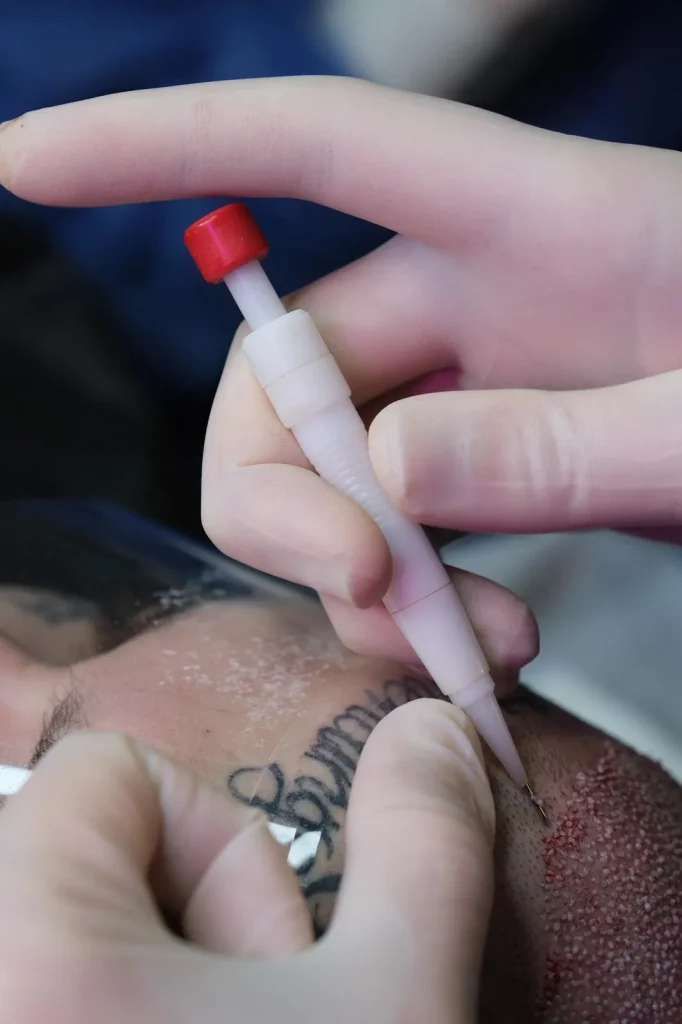
A modern, highly precise technique in which follicles are implanted directly into the recipient area with a specialised Choi pen — no pre-opened channels. The result is denser placement, minimal trauma and, with the right plan, no need to shave existing hair.
- Painless Anaesthesia
- Choi pen Implantation
- No Shave
- Fast Recovery
What is DHI Hair Transplantation?
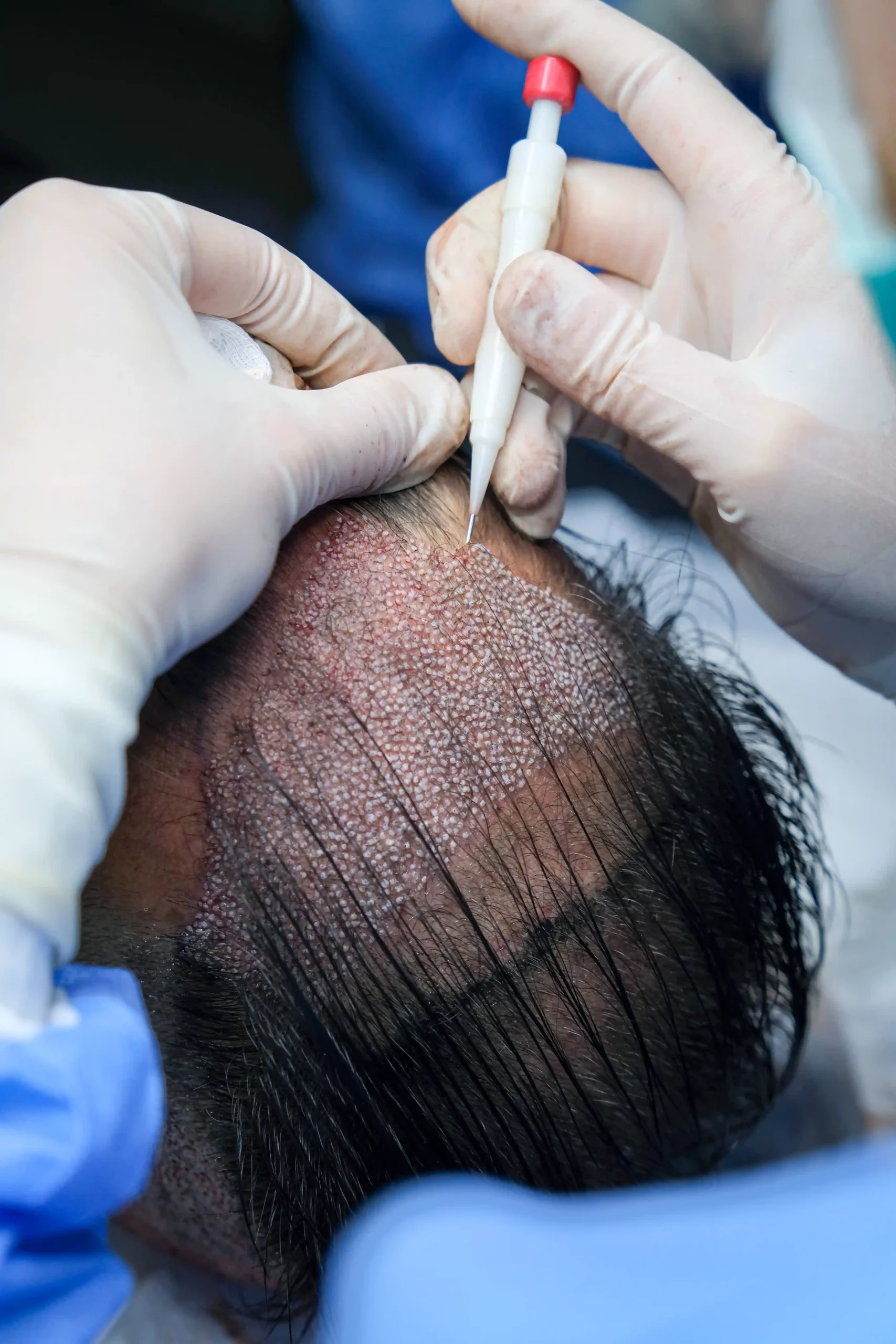
DHI — Direct Hair Implantation — is a modern, highly effective hair transplant technique. Harvested follicles are loaded into a specialised Choi implanter pen and placed directly into the recipient area without first opening separate channels. This gives the surgeon precise control over the angle, direction and depth of every graft, enabling dense placement with minimal handling and a fast recovery.
How is DHI Performed at Estecapelli?
A precise, four-stage process managed end to end by our medical team. Swipe through the stages below.
-
Stage 1
Consultation & Planning
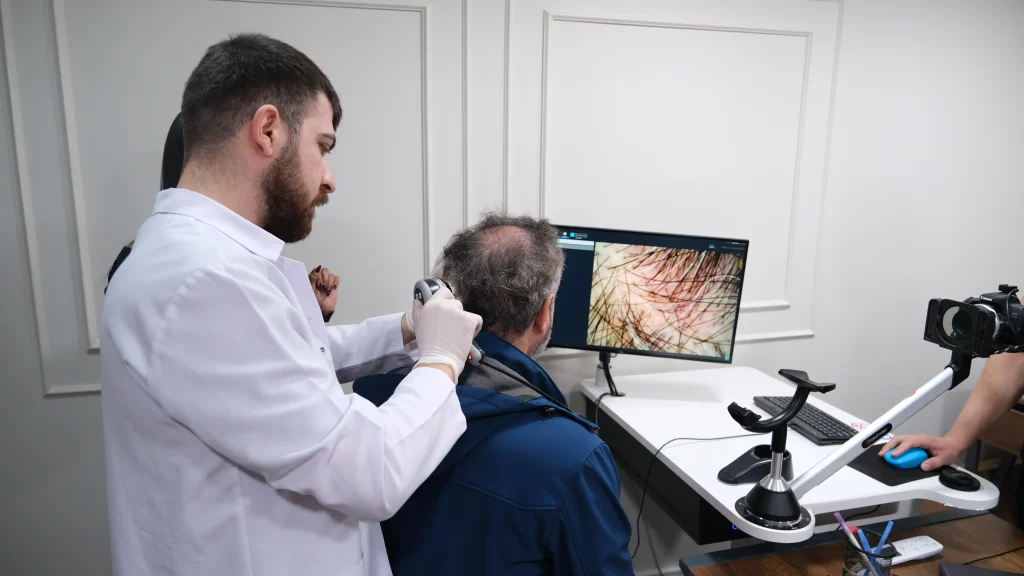
Your hair structure, donor area and goals are analysed with AI-supported TrichoLab to design a fully personalised plan. The number of grafts is estimated and a natural hairline mapped out, so every detail is agreed before the procedure begins.

-
Stage 2
Painless Anaesthesia
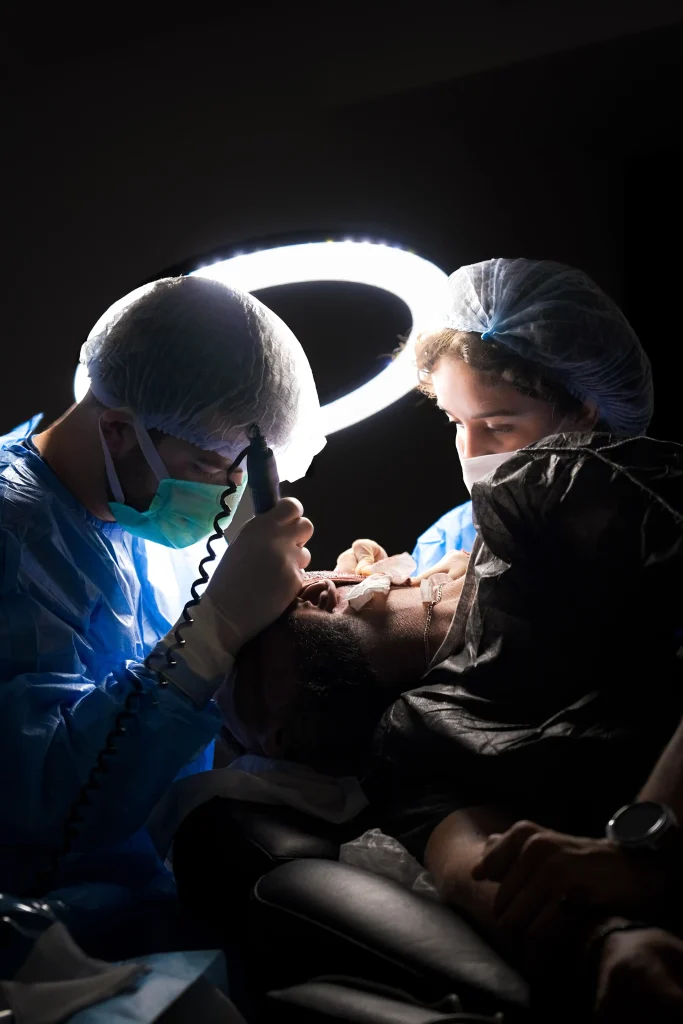
Painless anaesthesia is applied to the donor and recipient areas for a comfortable, pain-free procedure. You stay awake but relaxed throughout, and can listen to music or watch something during the session.

-
Stage 3
Graft Collection
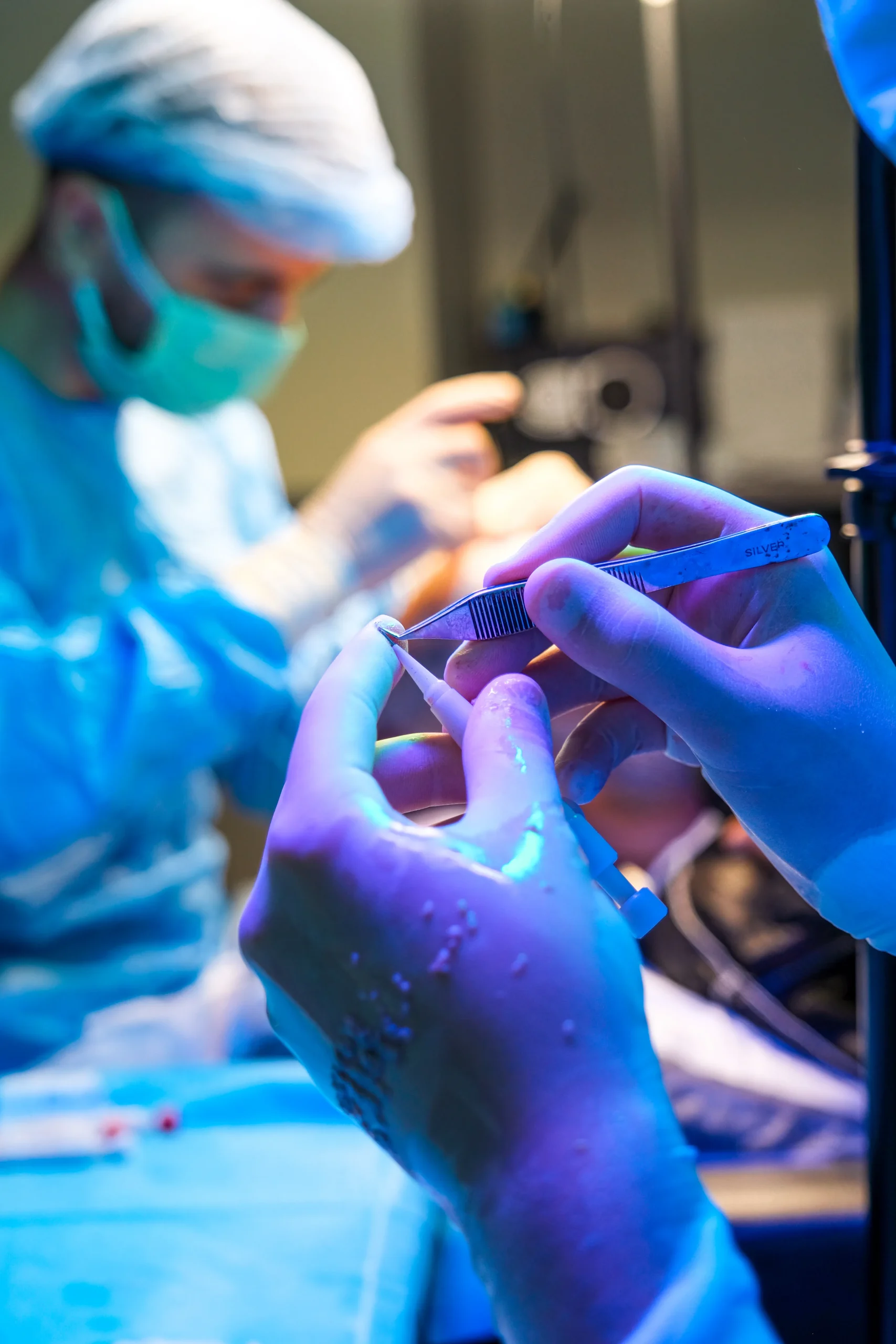
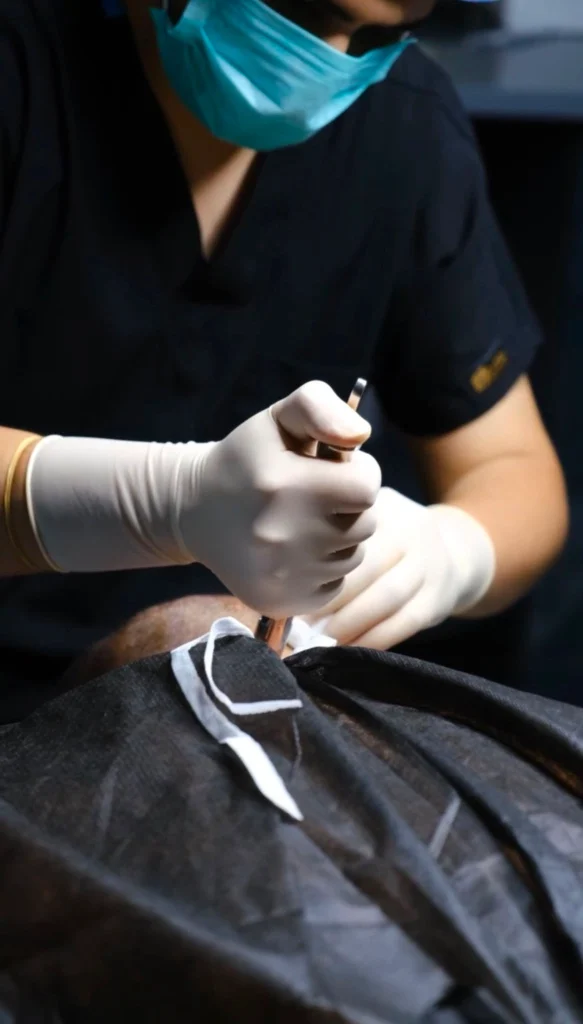
Healthy follicles are individually extracted from the safe donor area using ultra-fine micromotors and immediately loaded into the Choi implanter pens, minimising the time grafts spend outside the scalp to keep them strong and viable.

-
Stage 4
Implantation with Choi Pen
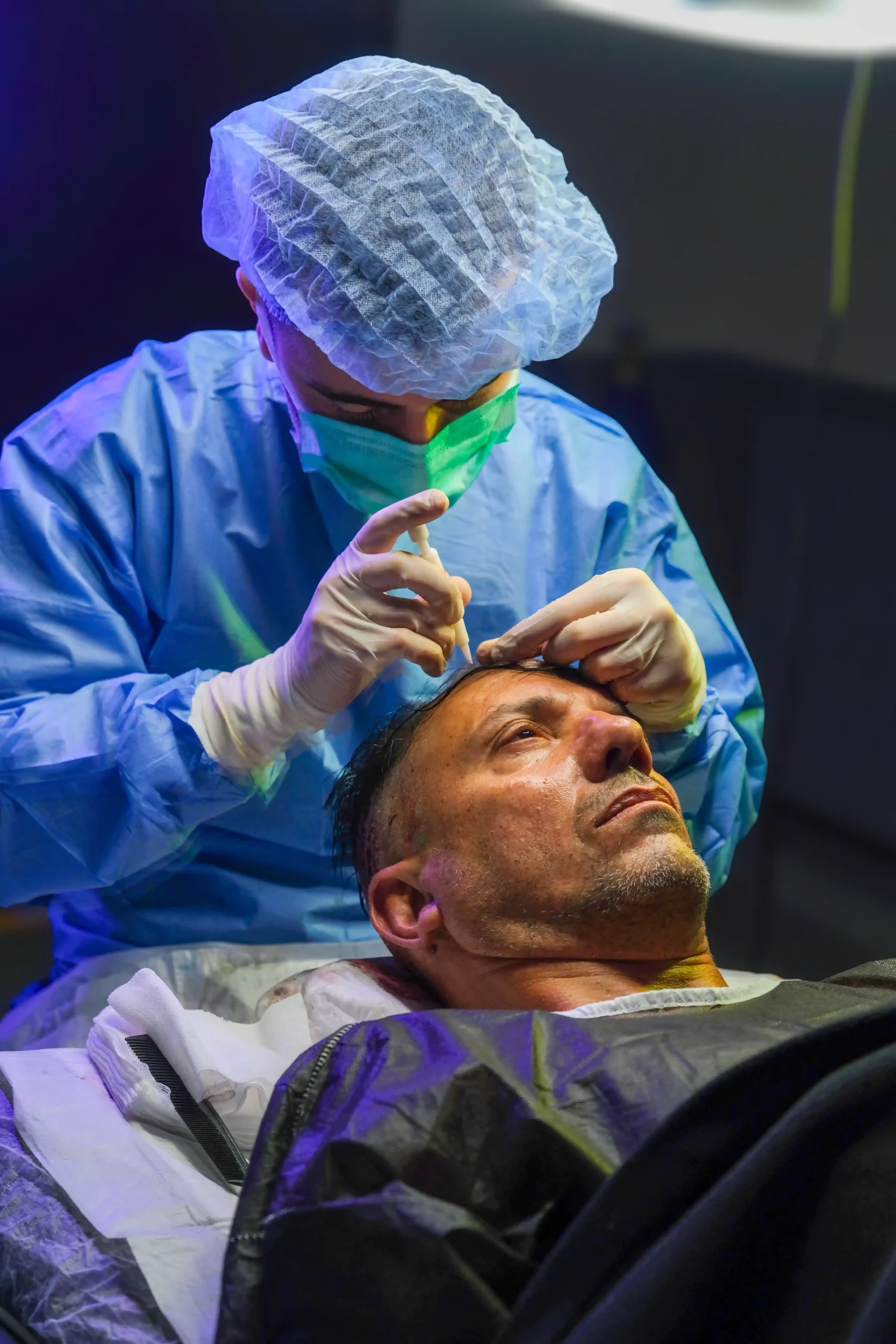
Grafts are implanted directly with the Choi pen at the precise angle, depth and direction — no separate channels are opened first. This direct placement allows very high density between existing hairs and, with the right plan, often without shaving, for a completely natural result.

Why Estecapelli is the Best Choice for DHI
Detailed planning and the precision of the Choi pen deliver dense, natural and lasting results:
- Permanent and reliable results from meticulous planning
- High precision — direct implantation, no pre-made channels
- Less trauma and faster healing
- High density and a natural appearance
- Suitable for sensitive skin
- Reduced risk of infection with no open incisions
- Personalised planning with scientific TrichoLab analysis
Who Can Undergo a Hair Transplant?
Age. There is no strict age limit for hair transplantation, but candidates are generally over 25, when hair loss patterns become more predictable. That said, hair loss can be advanced even at 22–24, so the extent of a patient’s hair loss is just as important as age when planning a transplant.
Donor Area. A successful hair transplant requires healthy hair follicles that can be safely harvested. The primary donor area is usually the back and sides of the scalp, where hair is genetically resistant to thinning. The quality and density of the donor area determine how many grafts can be transplanted.
Type of Hair Loss. The best candidates are typically those with male or female pattern baldness, as this type usually affects only certain areas of the scalp, so the donor area is likely to remain unaffected. Other types, such as alopecia, require a more specialised evaluation.
Health. For an effective hair transplant, you should not have any medical conditions that could affect the procedure or healing, such as uncontrolled diabetes, severe heart or liver problems, active scalp infections, or autoimmune disorders. A thorough medical evaluation before the procedure ensures it is safe and effective.

DHI Recovery Process: What to Expect
First days and weeks: Mild redness and swelling are normal and resolve quickly.
Scab shedding: Small scabs naturally shed as part of healing.
Months 1–4: Temporary shock shedding occurs as follicles enter a new growth cycle.
Months 3–12: New hair grows in with full, natural density, supported by our follow-up team.

DHI — Frequently Asked Questions
What is the difference between DHI and FUE?
Both harvest follicles the same way; the difference is implantation. With FUE the recipient channels are opened first and grafts placed afterwards, while DHI uses a Choi implanter pen to open the site and place the follicle in one direct motion. This gives the surgeon precise control over angle, depth and density, allows very dense placement, and — with the right plan — often avoids shaving your existing hair.
Is DHI really shaving-free? Can I keep my hair?
DHI is the technique best suited to unshaven and targeted procedures. For smaller areas and density work, your existing hair can often be fully preserved; for larger sessions a partial or hidden trim may be needed. Your consultant will confirm exactly what is possible for your case from your photos.
Am I a good candidate for DHI?
DHI is an excellent choice for early to moderate hair loss, diffuse thinning, smaller or targeted areas, hairline refinement and anyone wanting ultra-precise, dense placement without shaving. The best candidates are generally over 25 with a healthy donor area and stable hair loss; a free consultation with photos confirms your suitability.
Is DHI painful, and what is recovery like?
The procedure is carried out under local anaesthesia, so no pain is felt during treatment. Because DHI is minimally invasive with no open channels, recovery is fast — mild redness and small scabs settle within days and most patients return to daily life quickly, avoiding strenuous activity, sun and swimming for the first couple of weeks.
When will I see results, and is shedding normal?
The transplanted hairs often shed in the first weeks — this "shock shedding" is completely normal. New growth begins around months three to four, noticeable density develops by six to nine months, and the final, fully matured result appears at about twelve months.
Are the results permanent and natural-looking?
Yes. The follicles are taken from areas genetically resistant to hair loss, so they keep growing permanently. The direct, angle-controlled implantation gives a completely natural hairline and density — you can cut, wash and style the hair normally. Existing non-transplanted hair can still thin over time, so supportive care may be advised to protect the overall look.
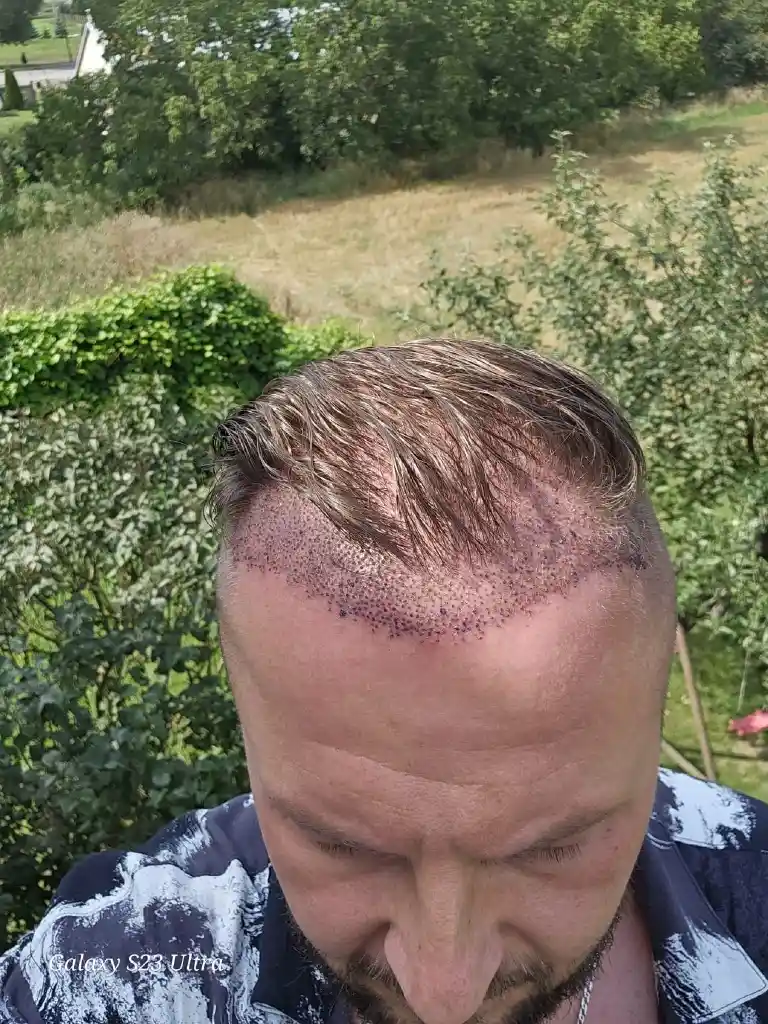
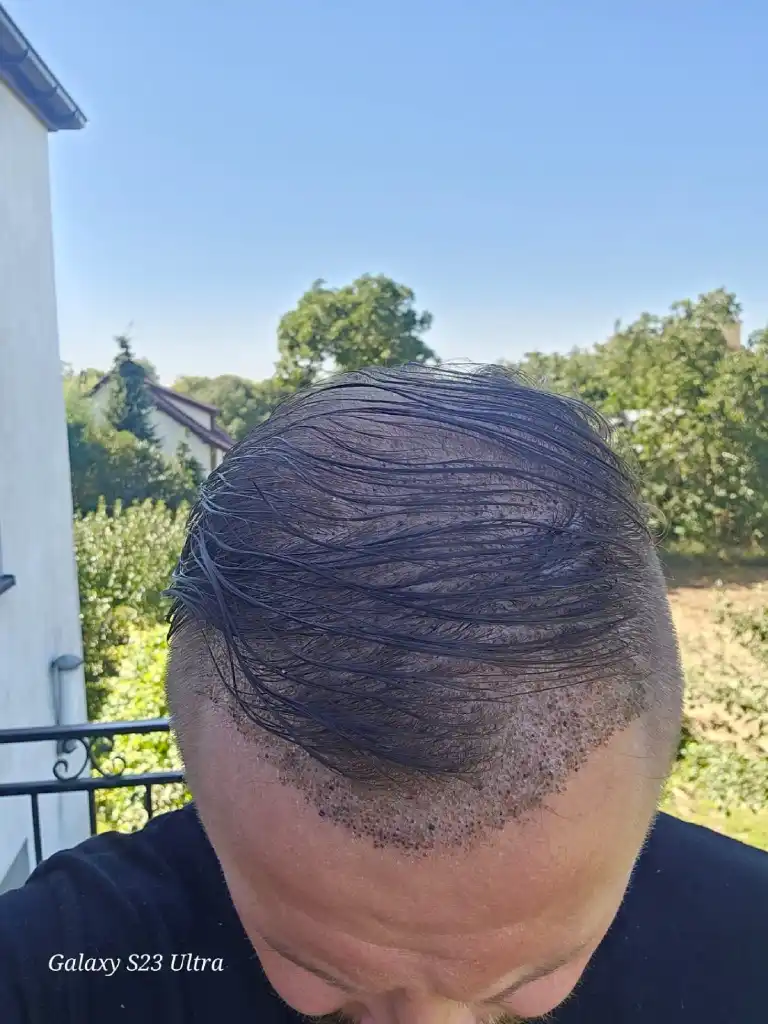
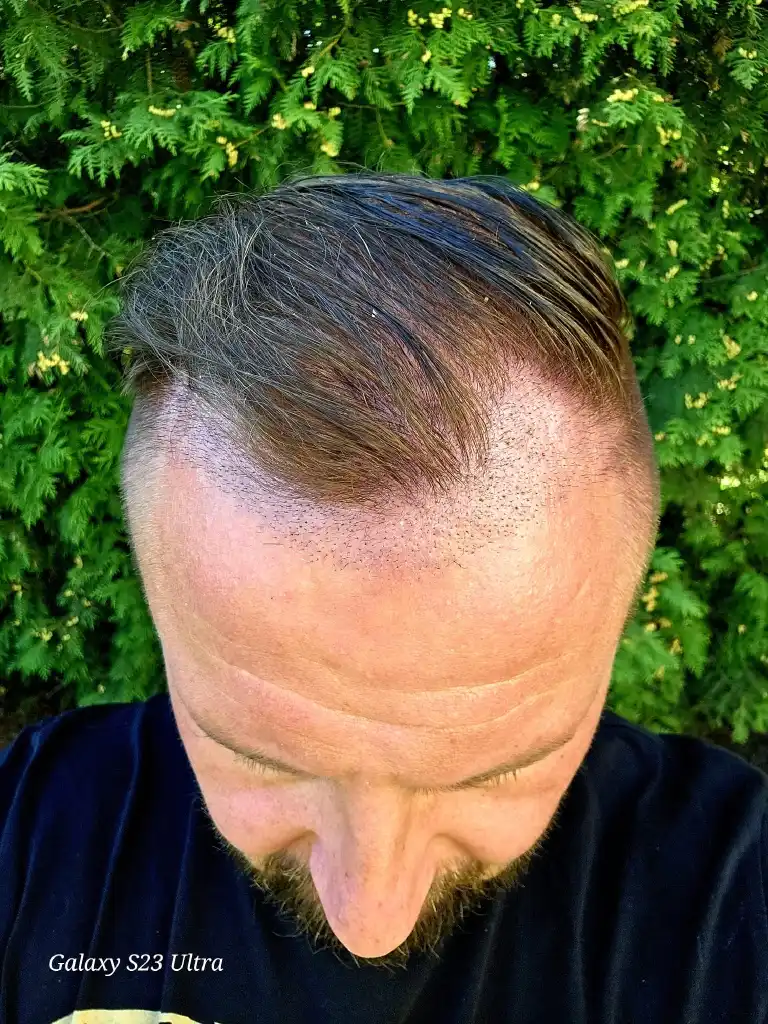
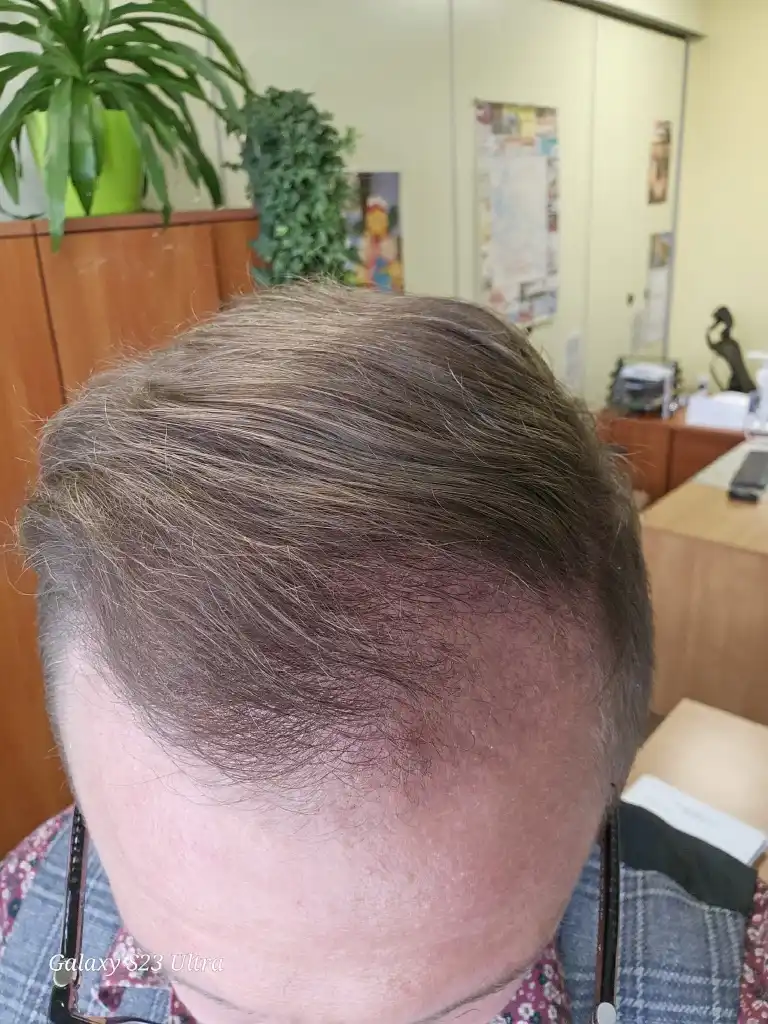
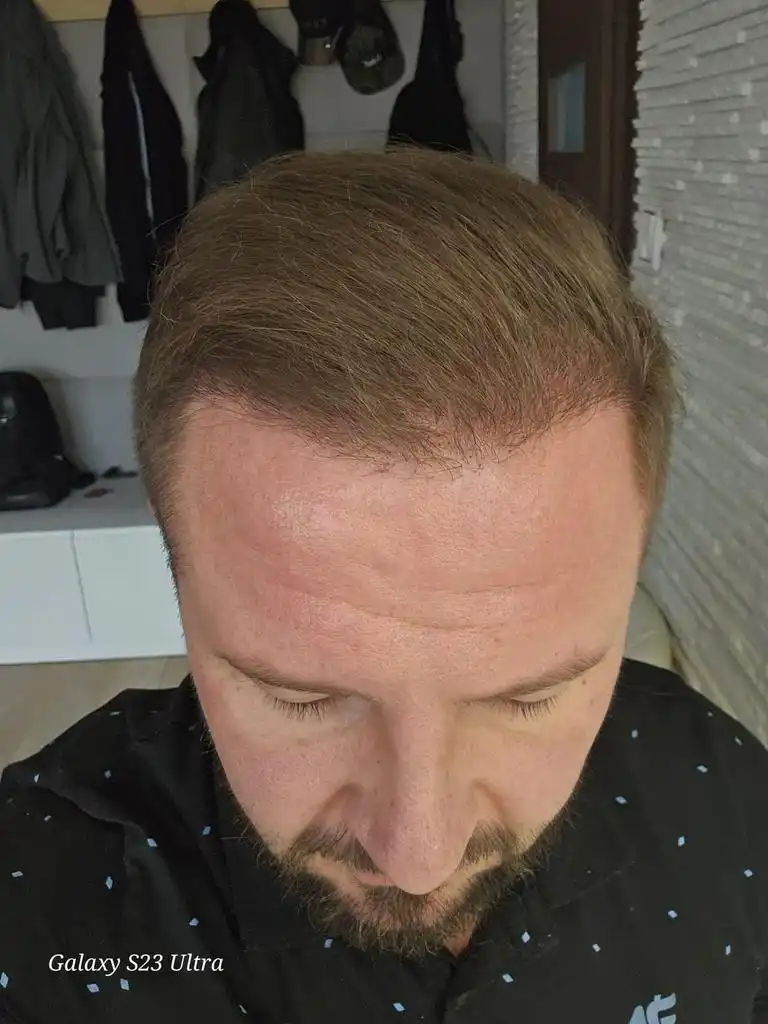
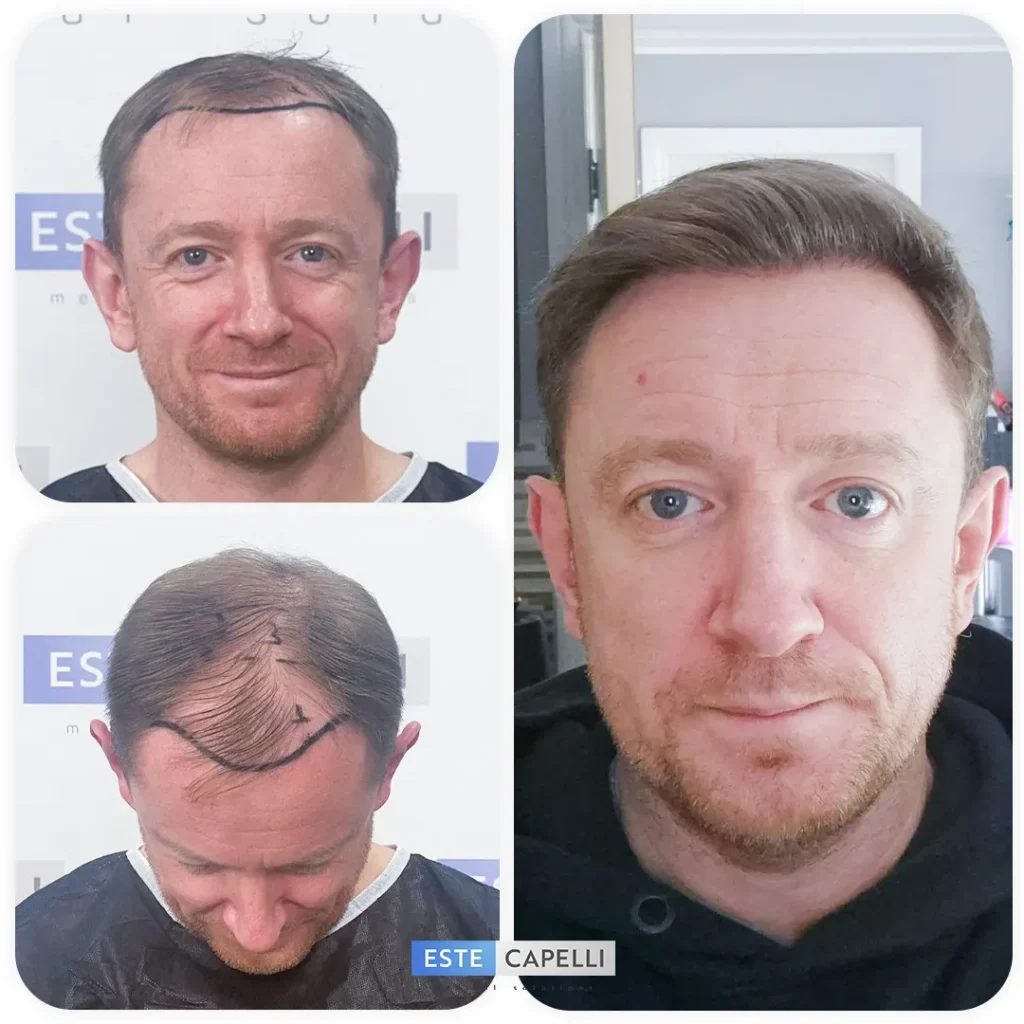
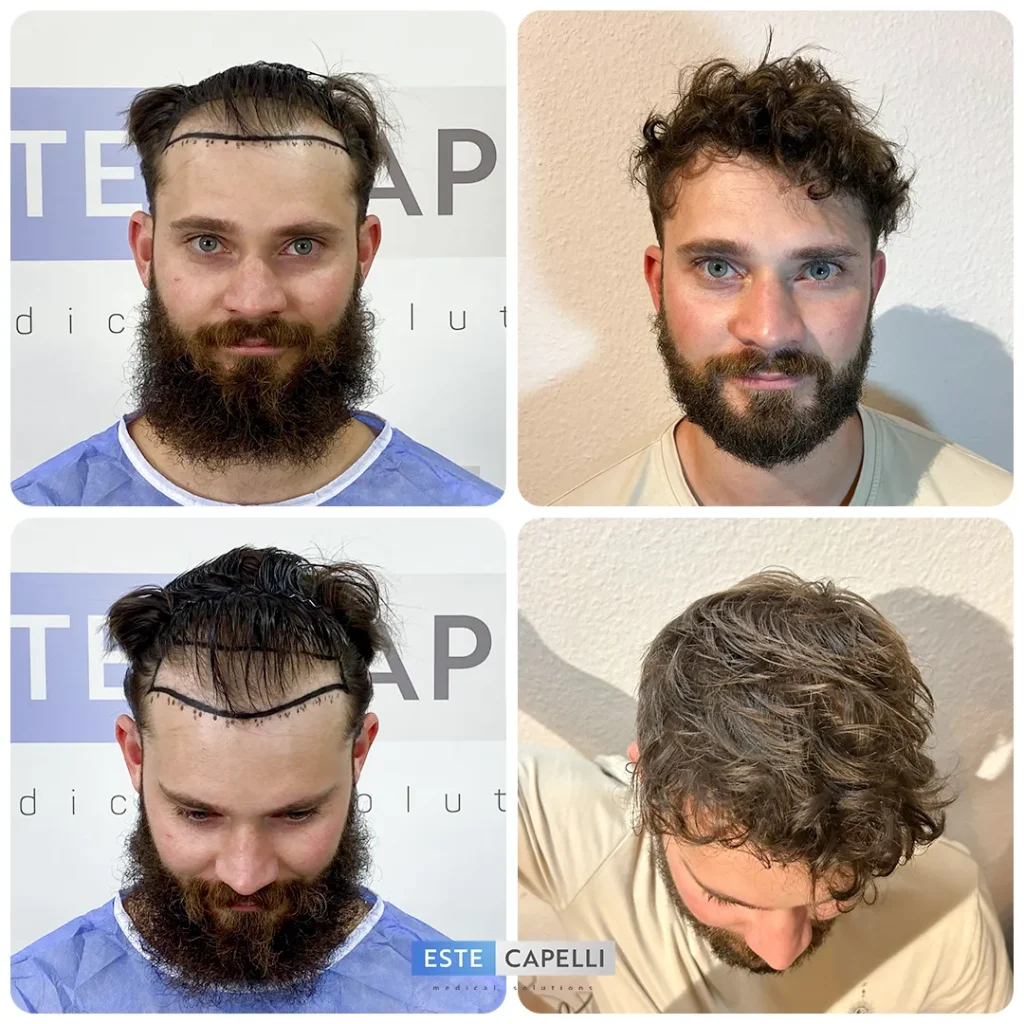
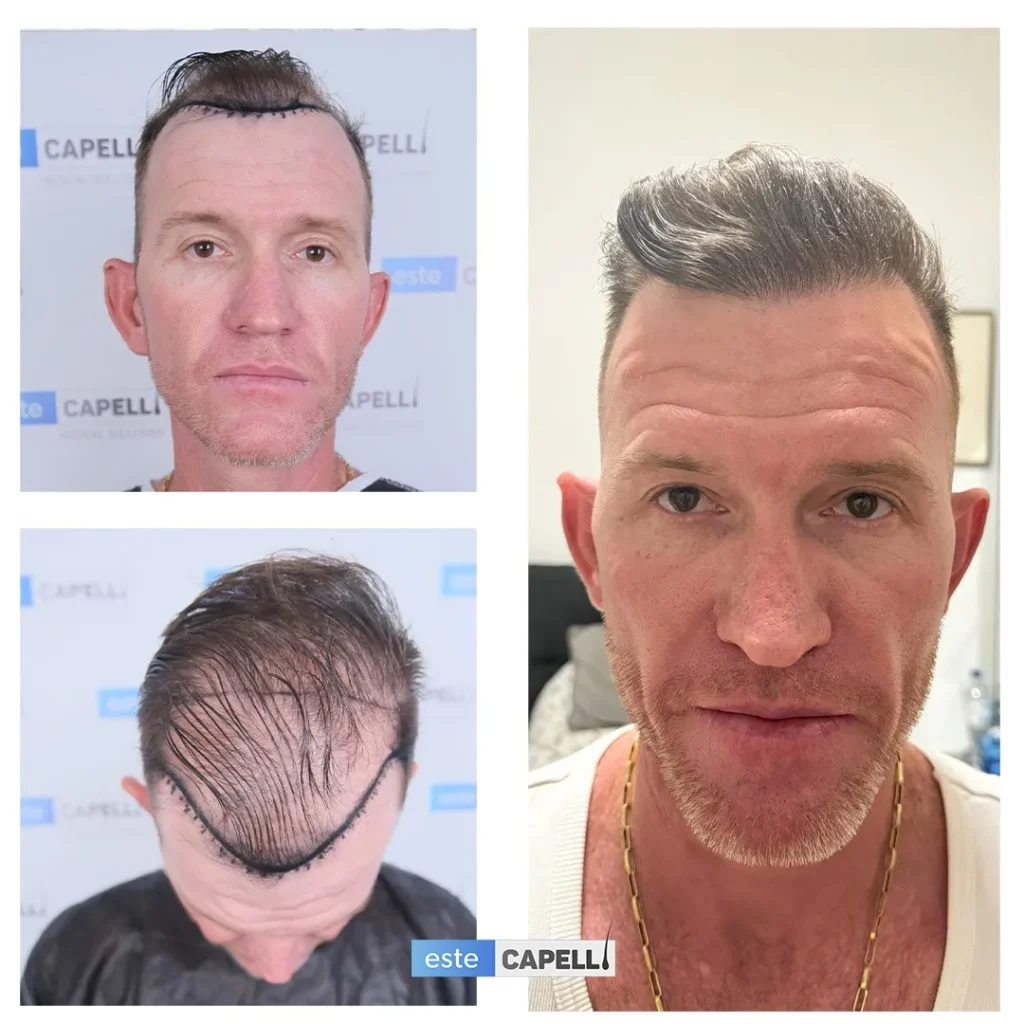
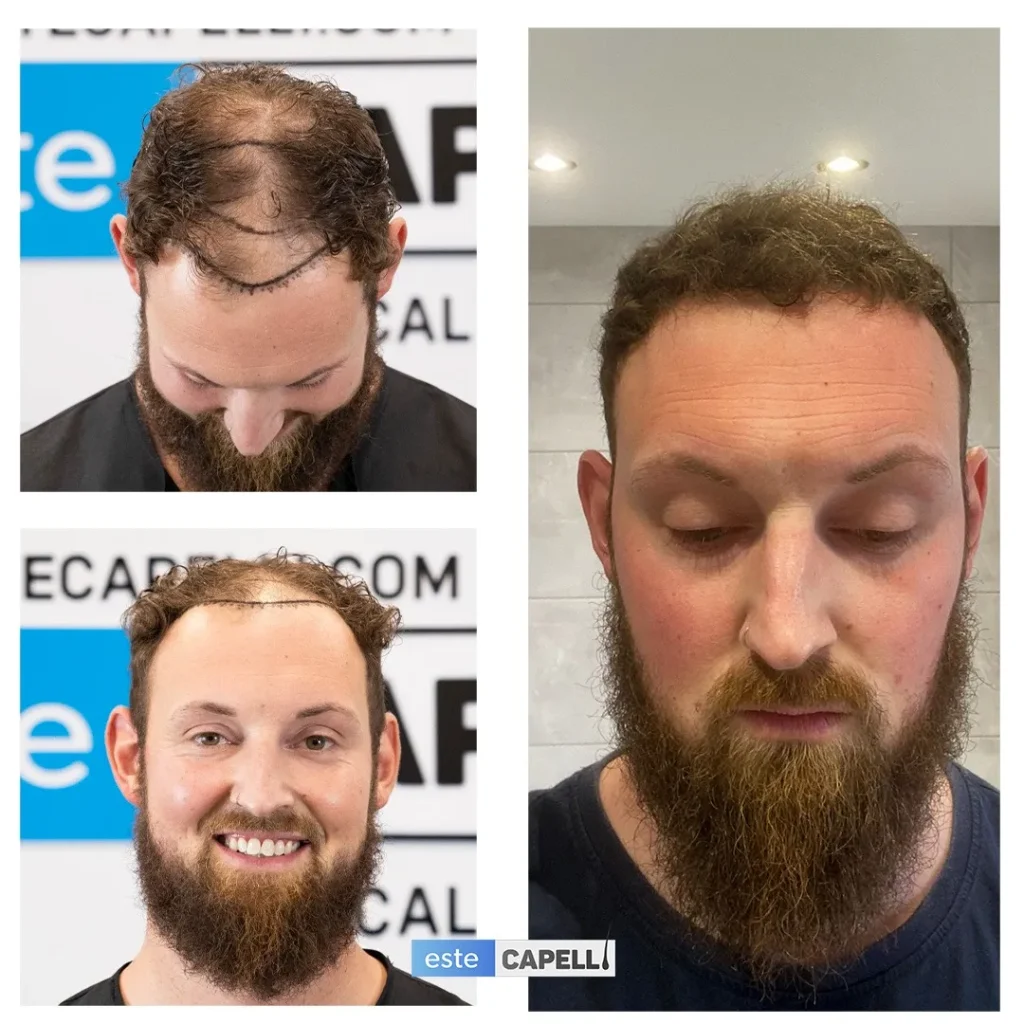
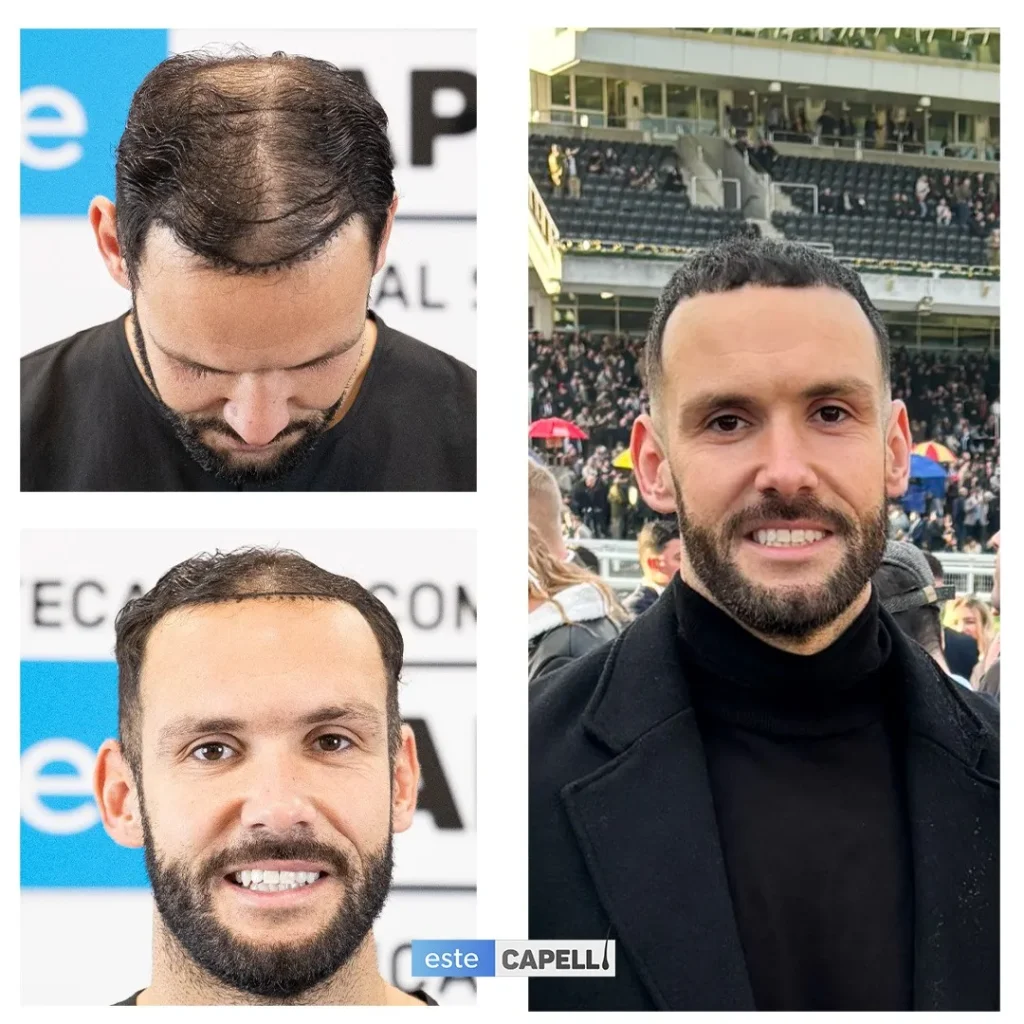
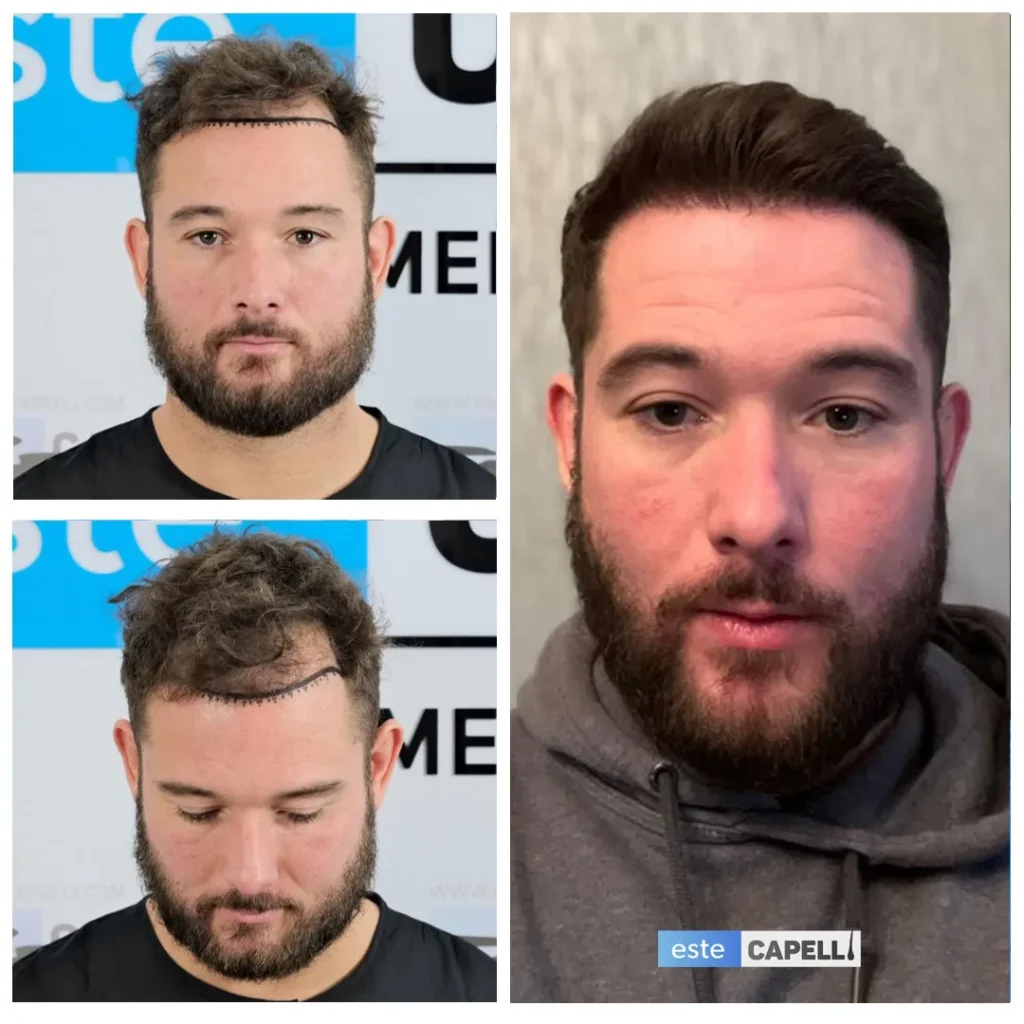
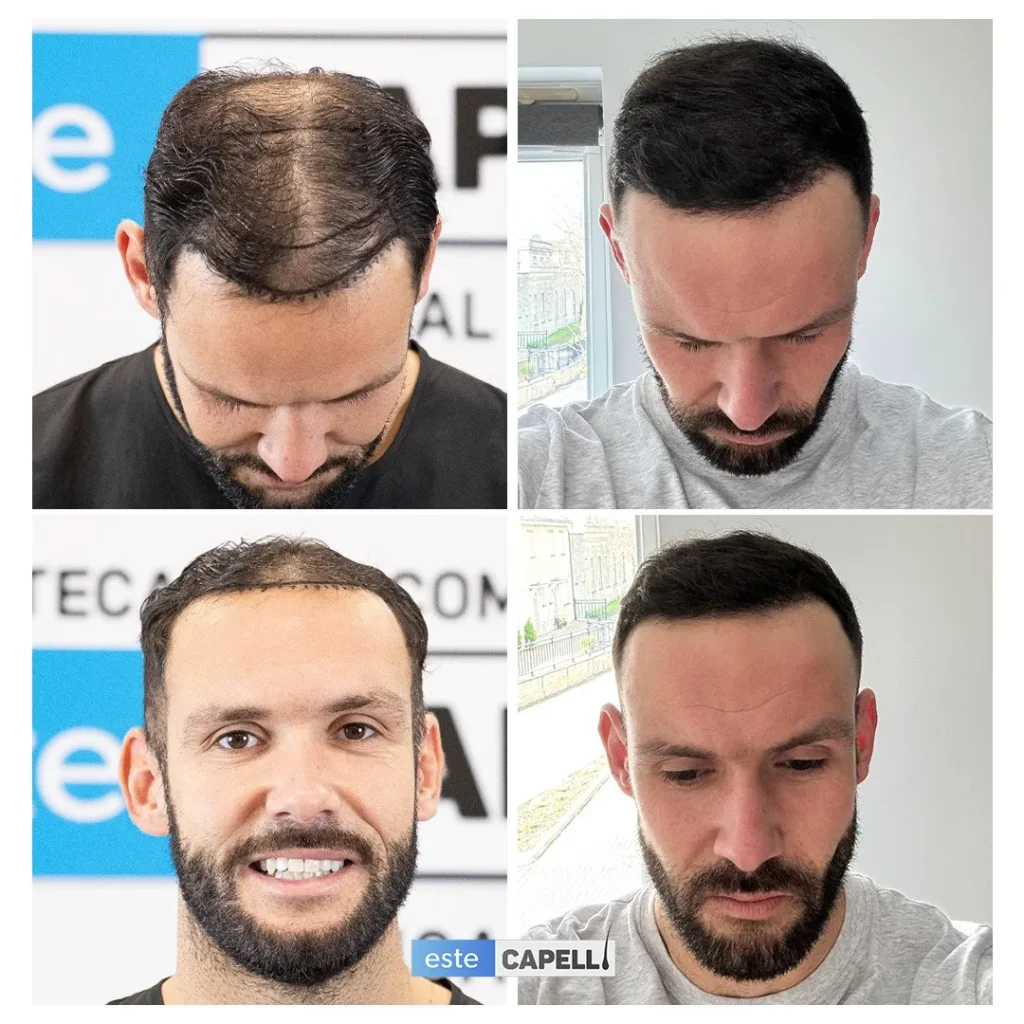
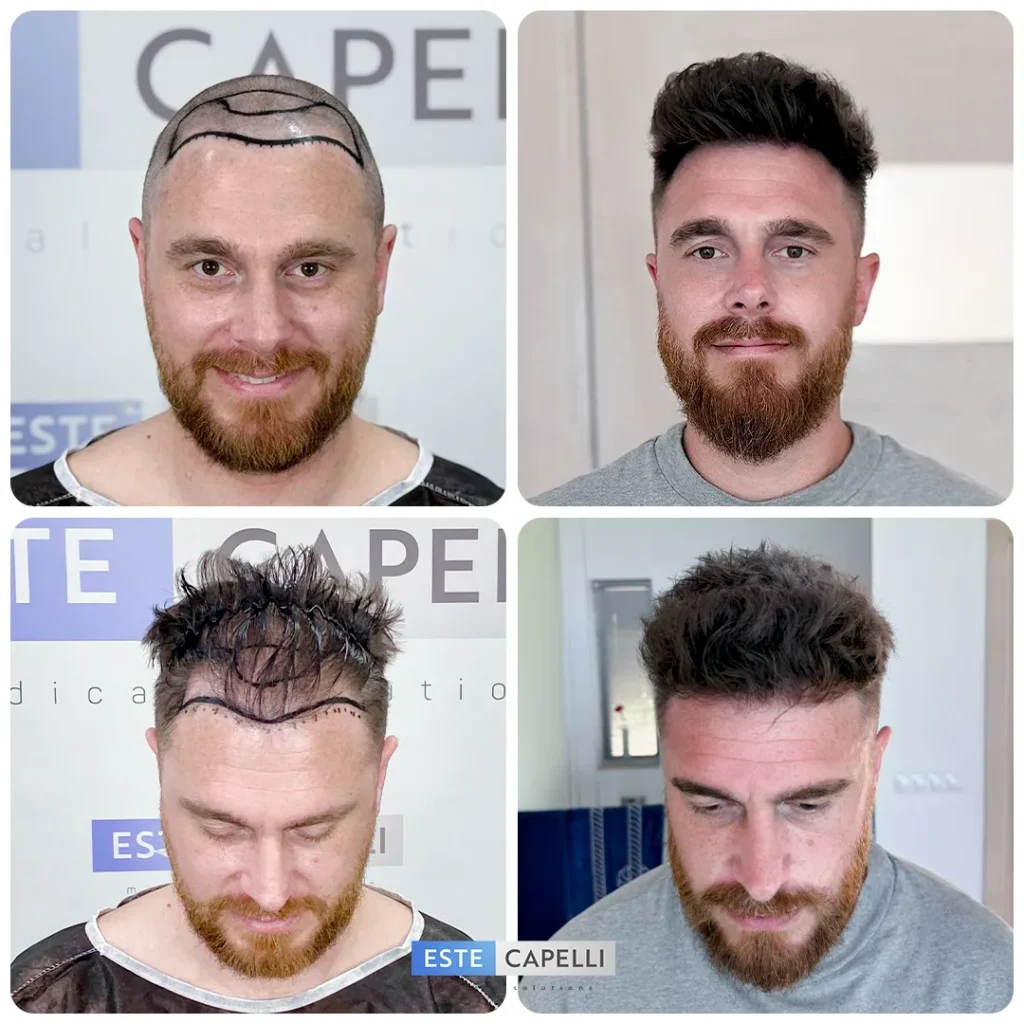
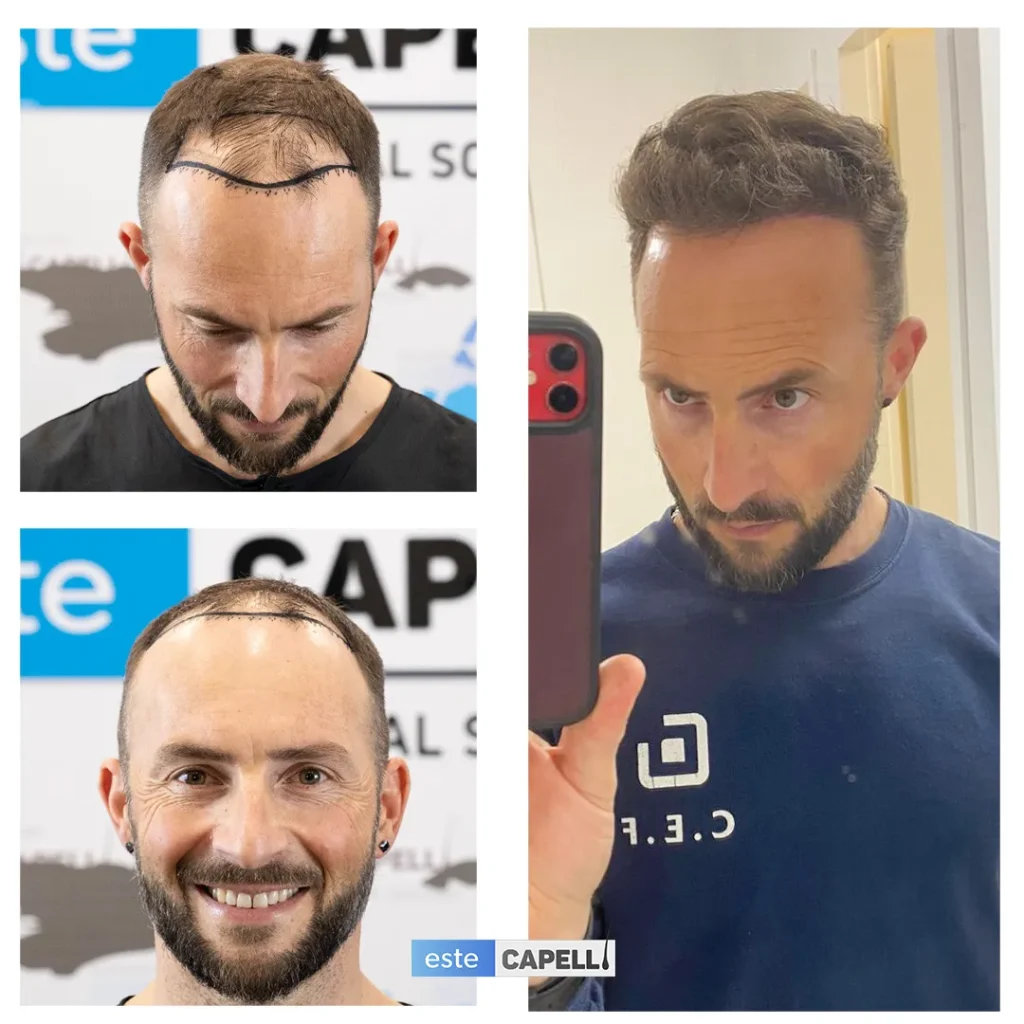
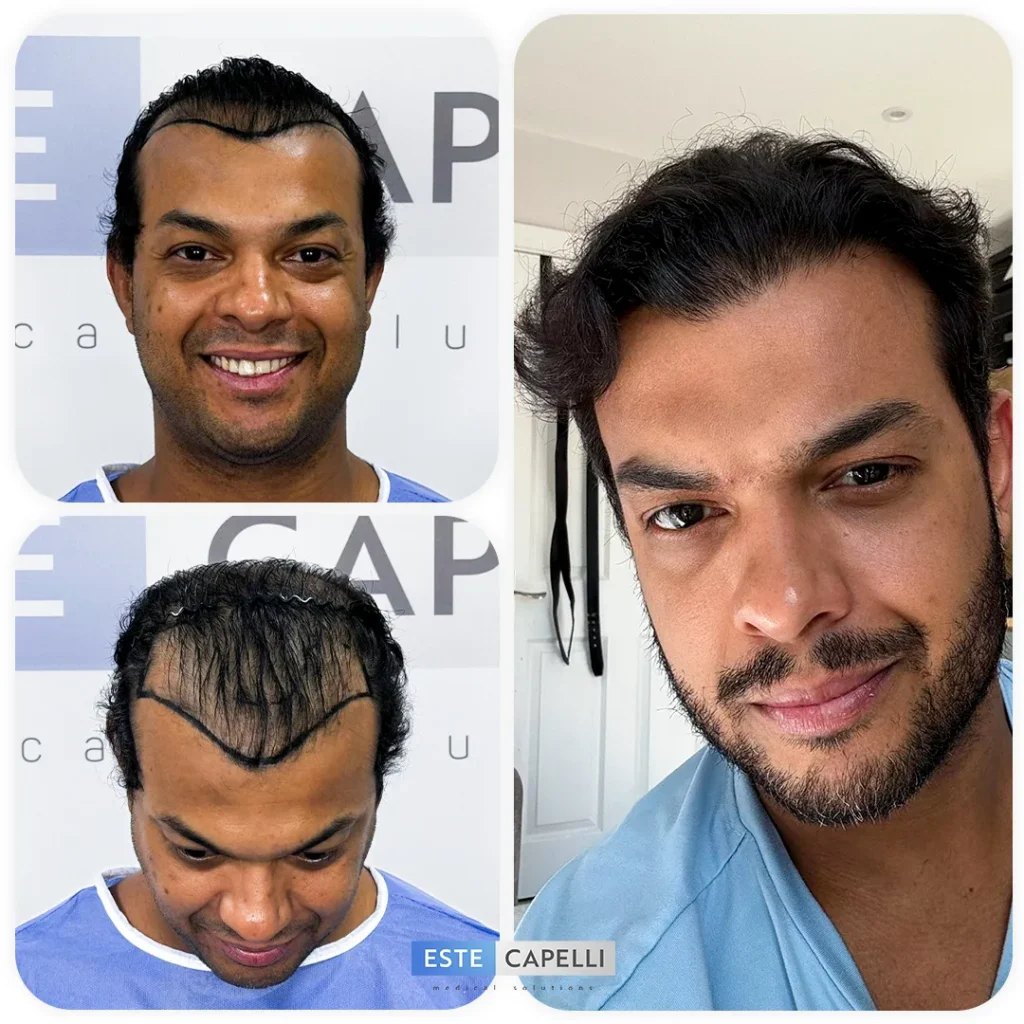
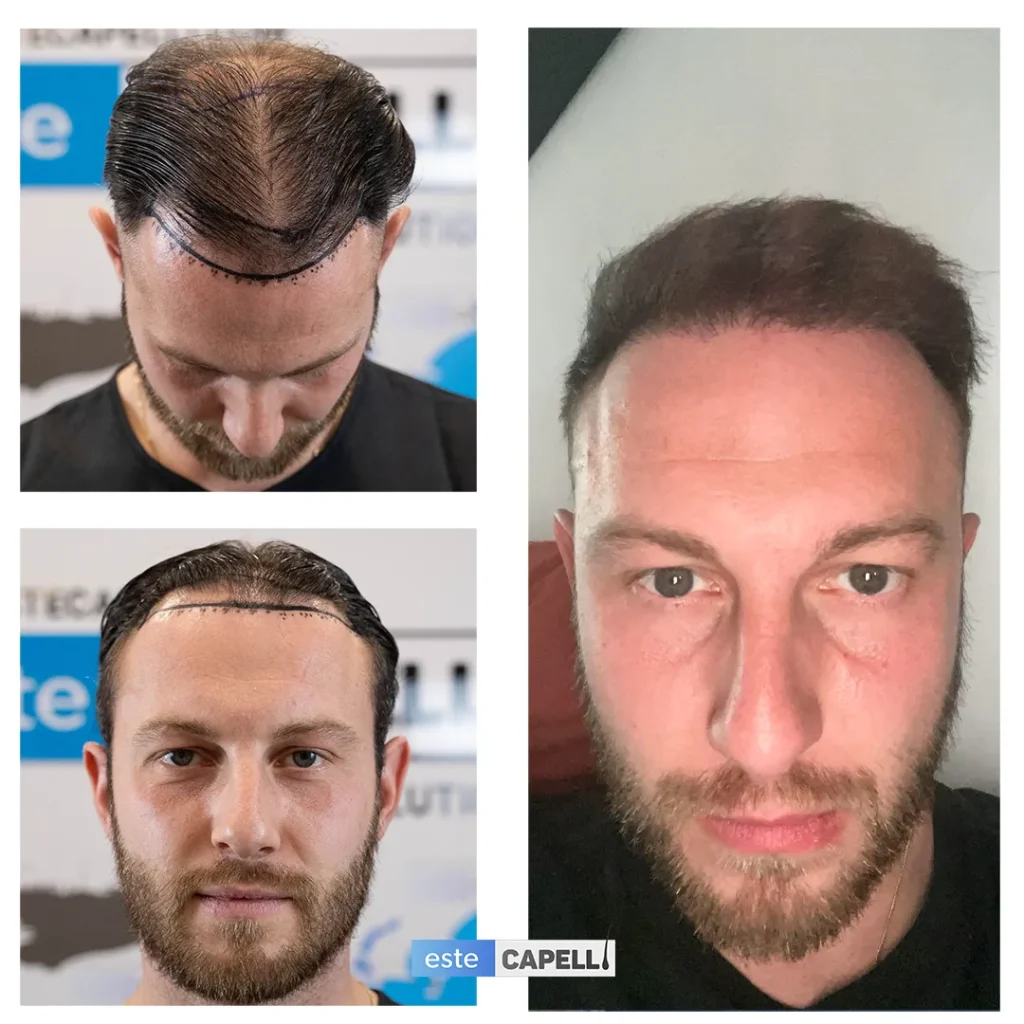
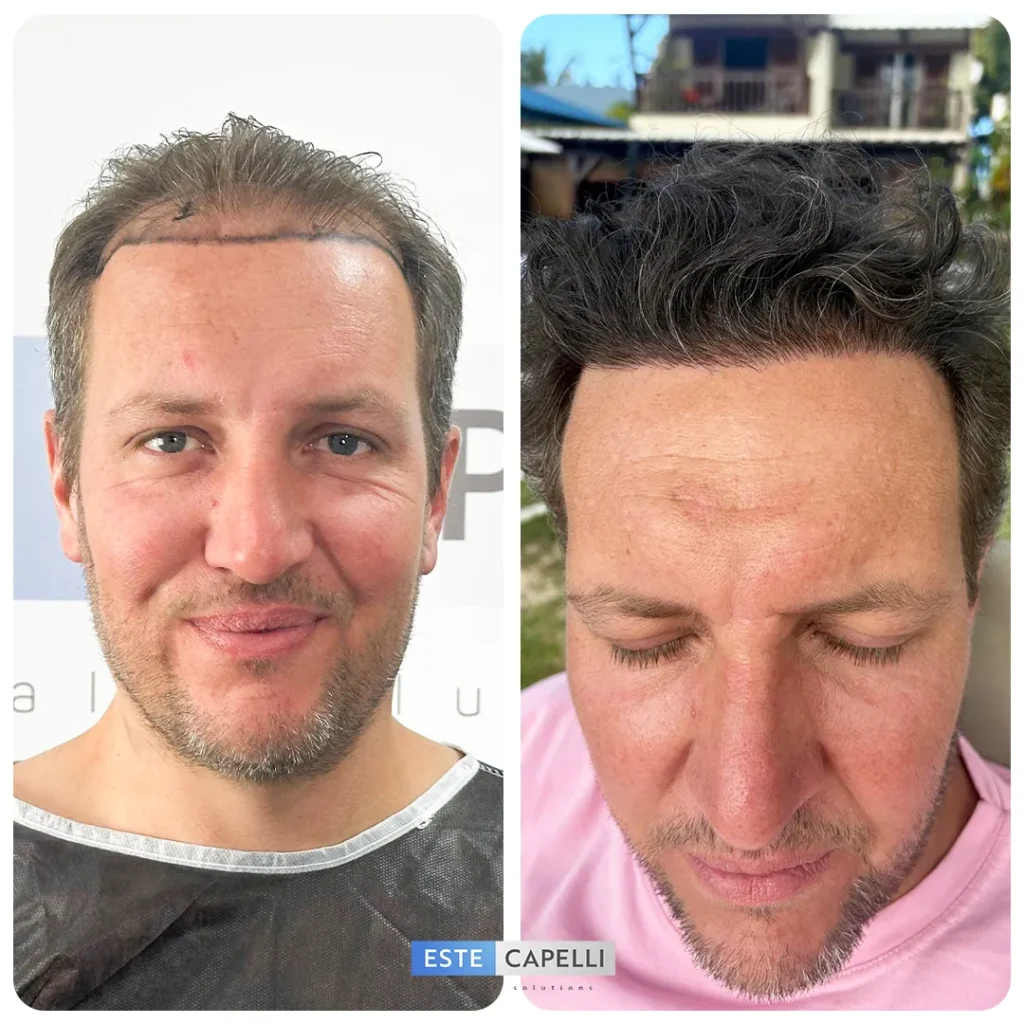
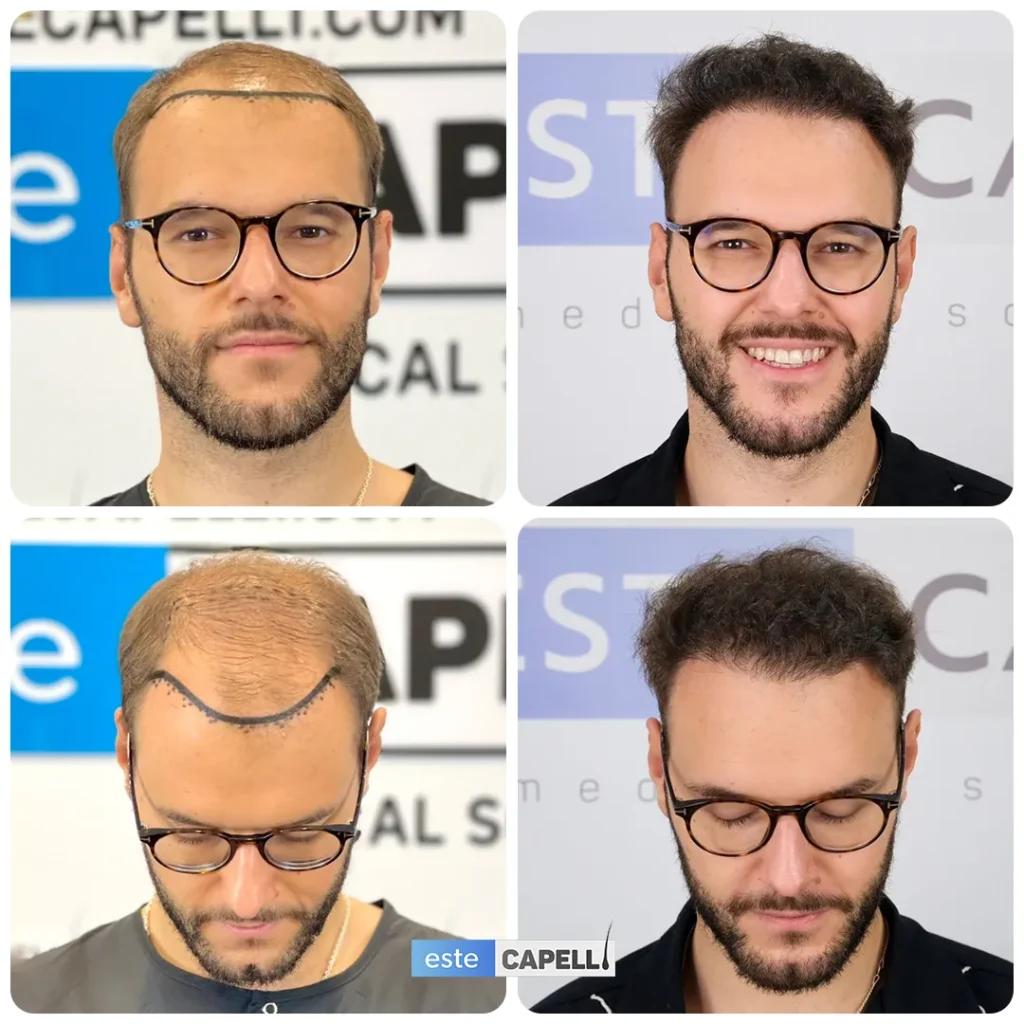
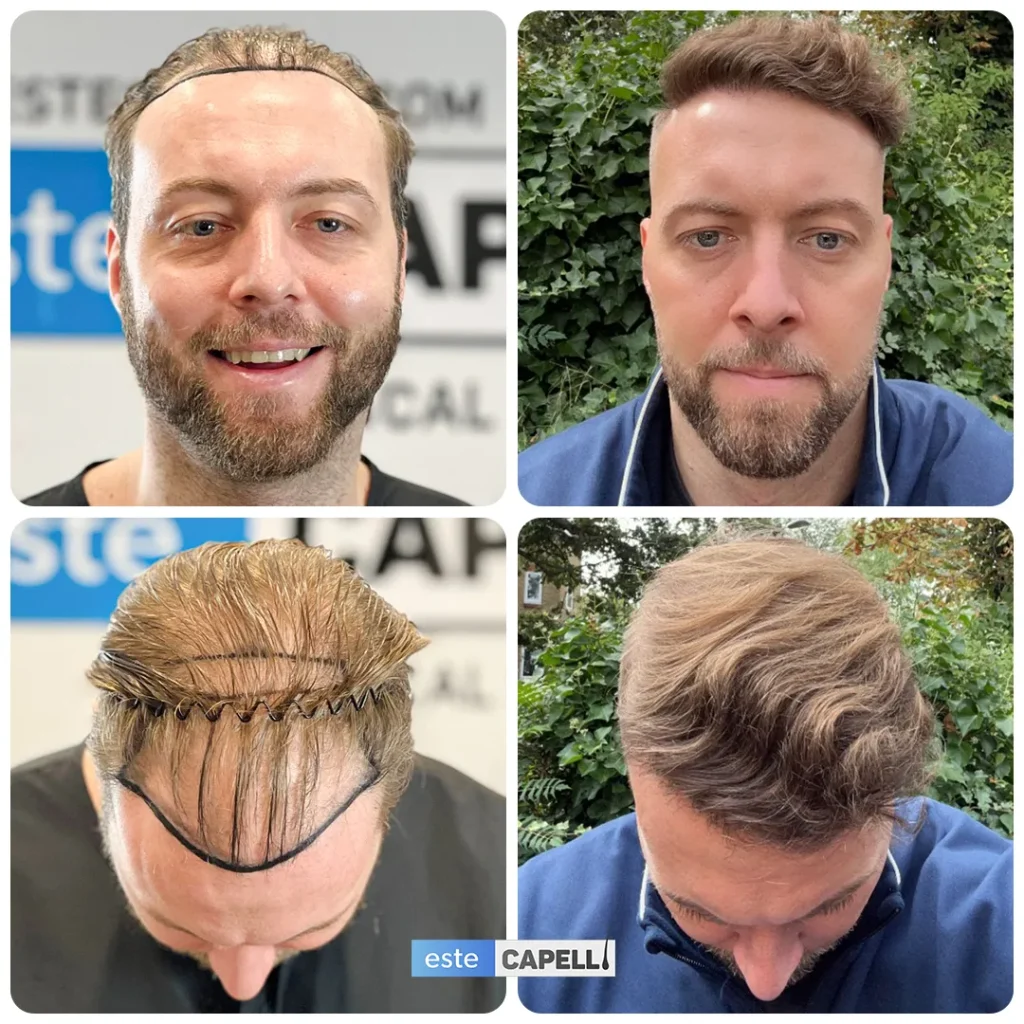
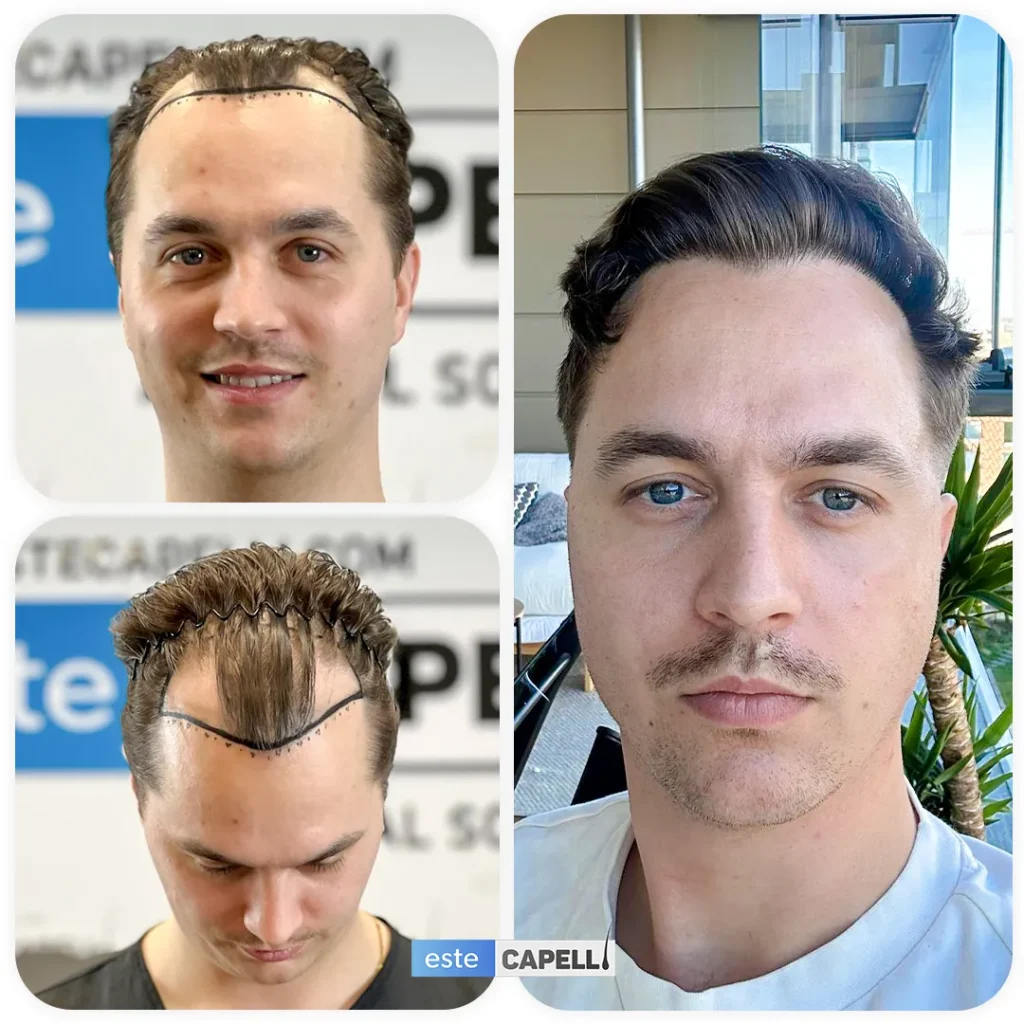
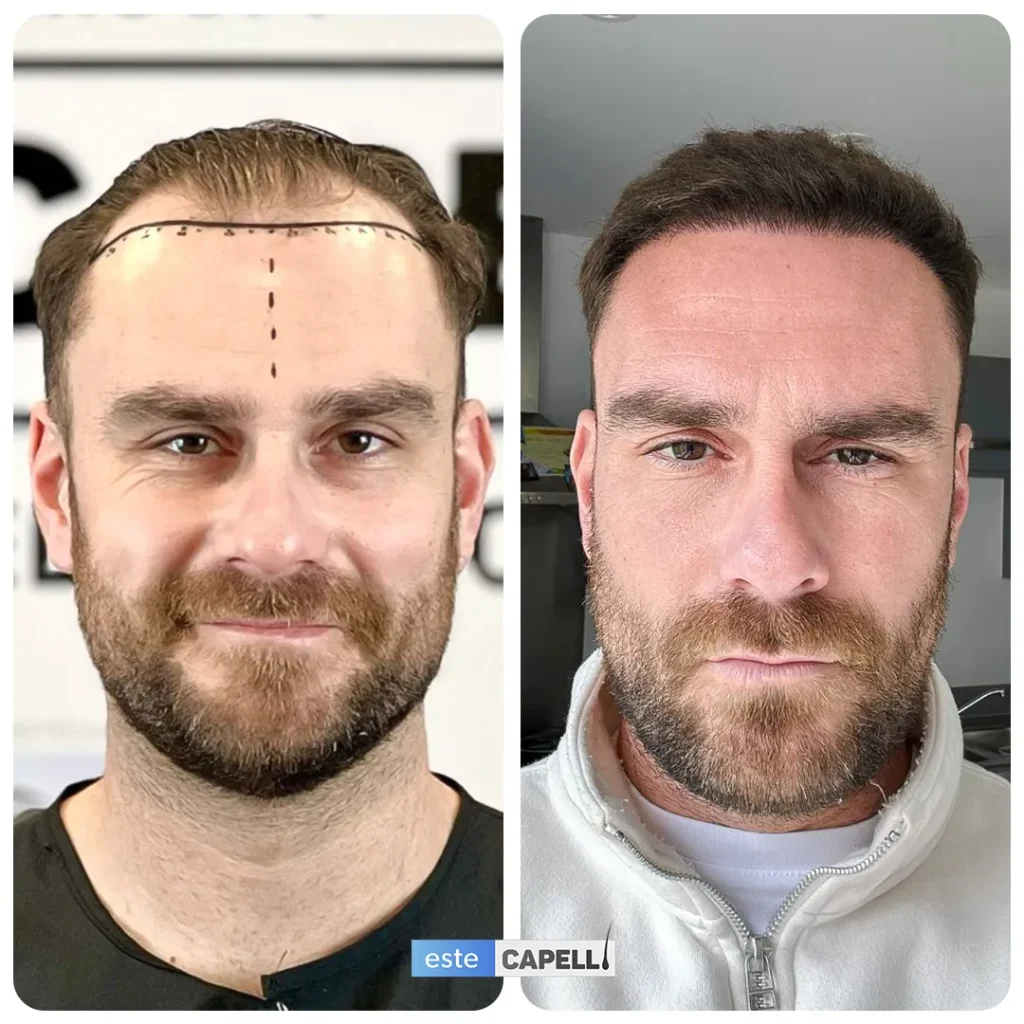
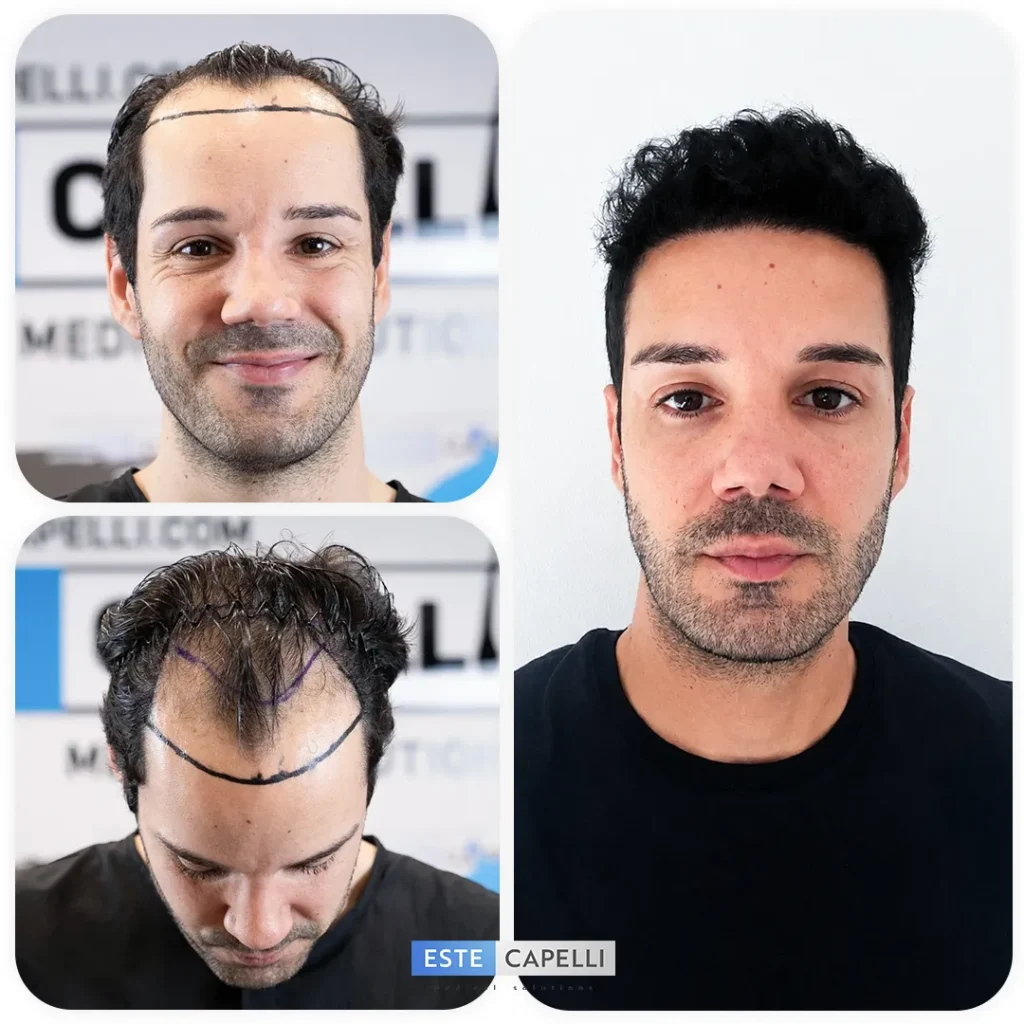
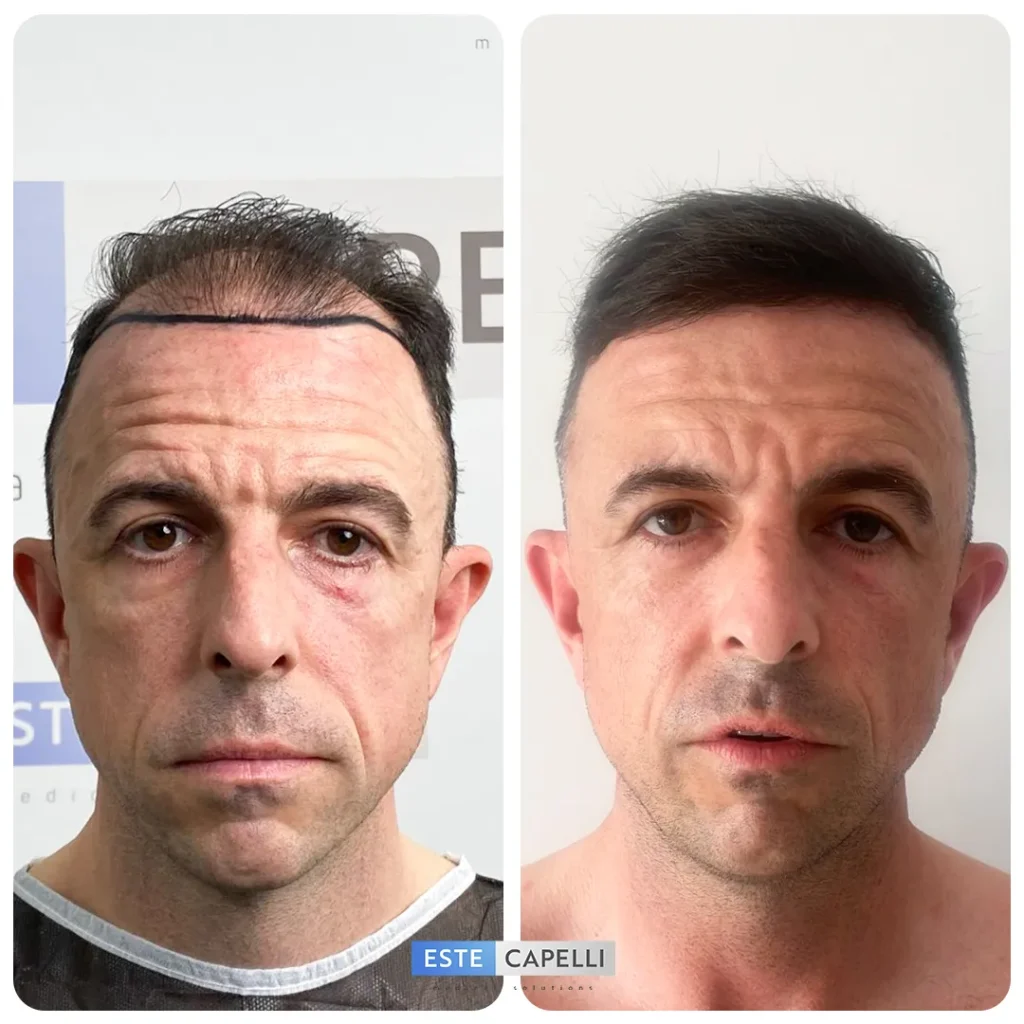
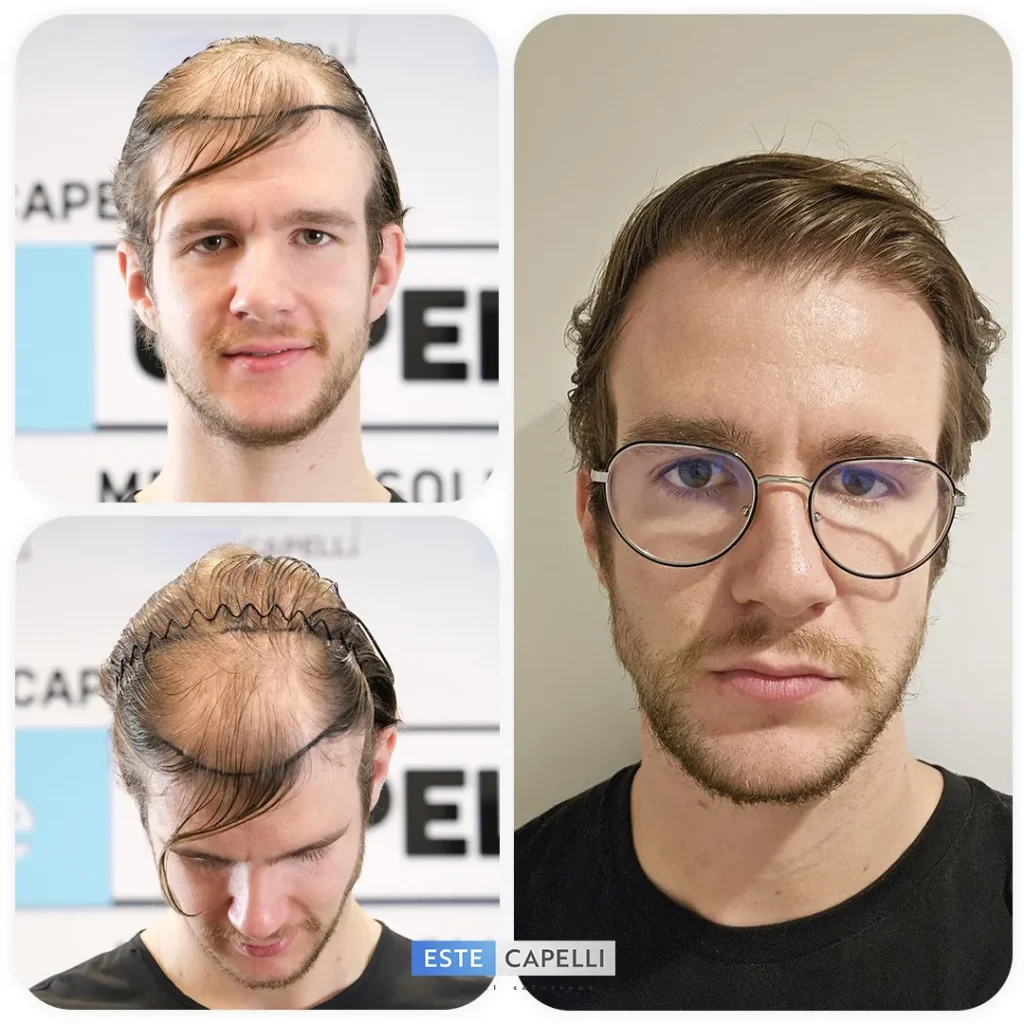
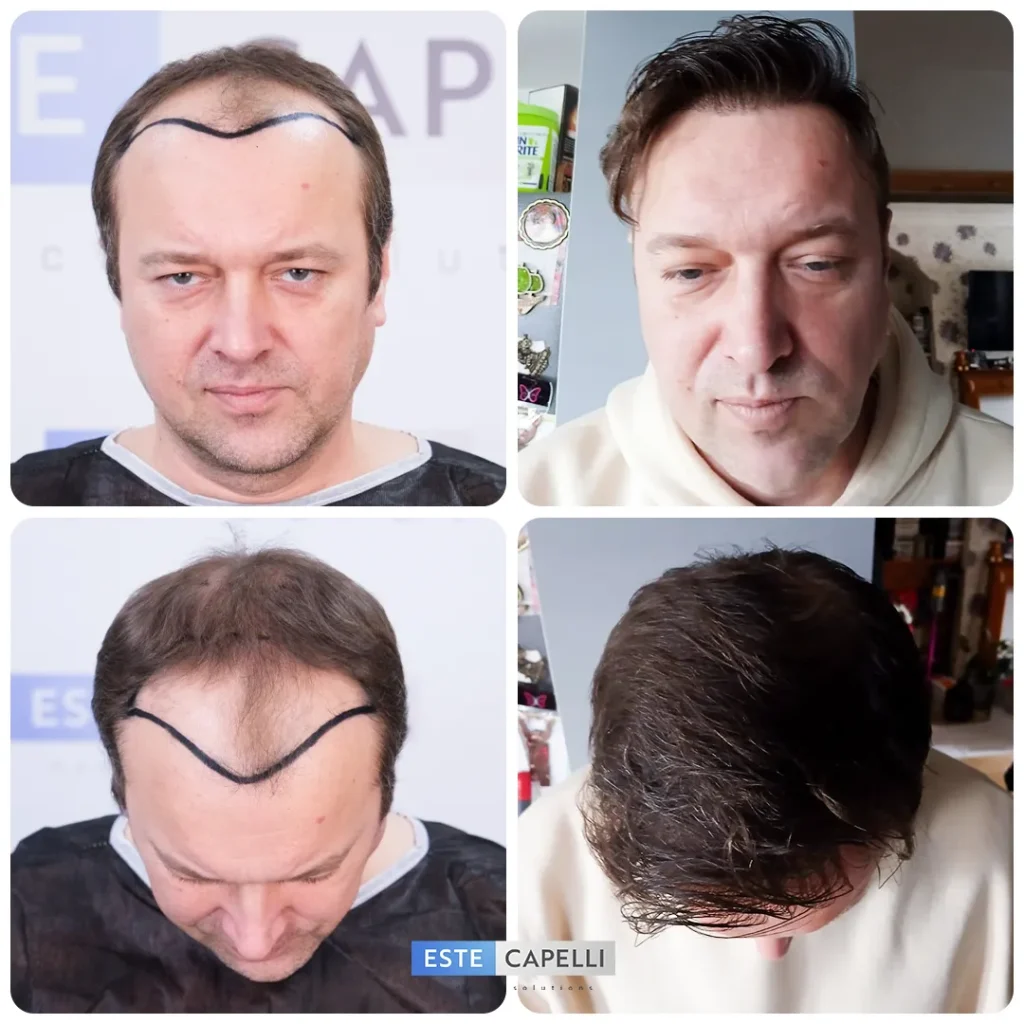
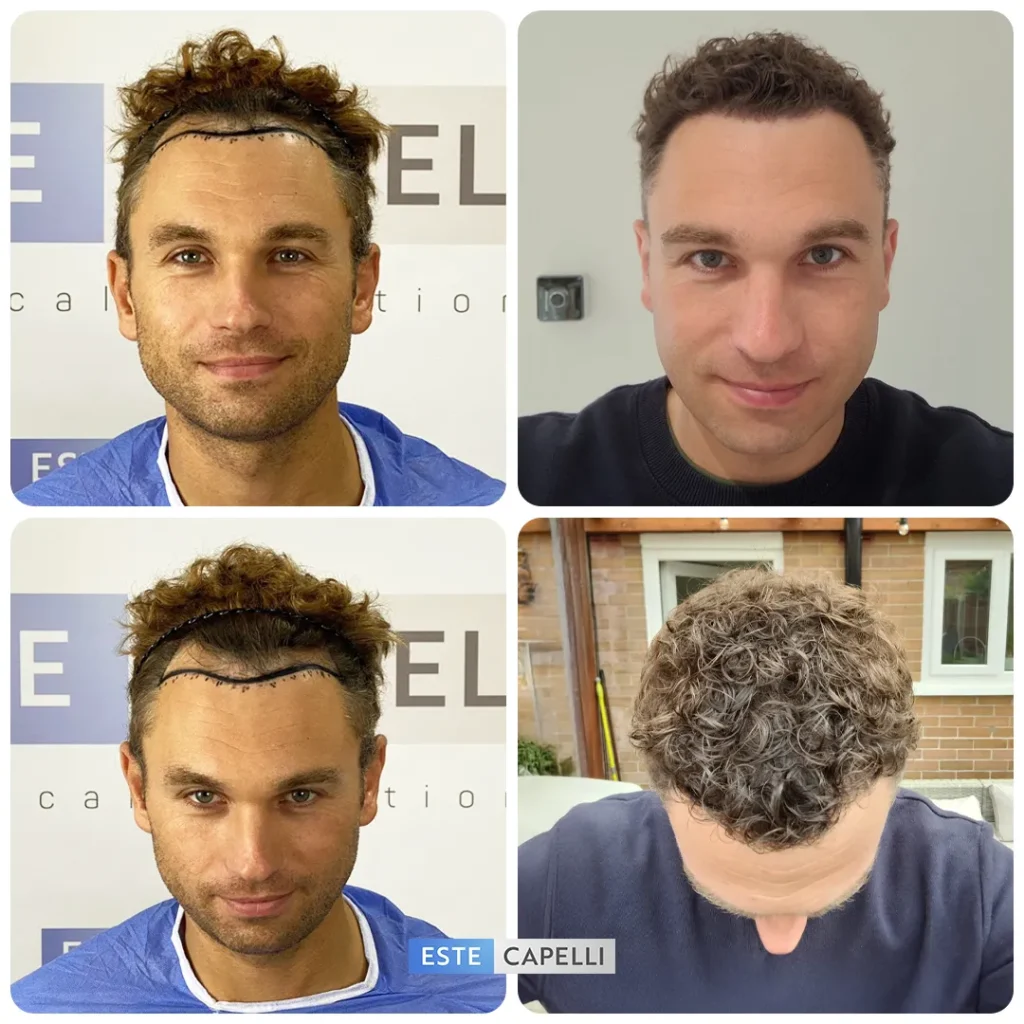
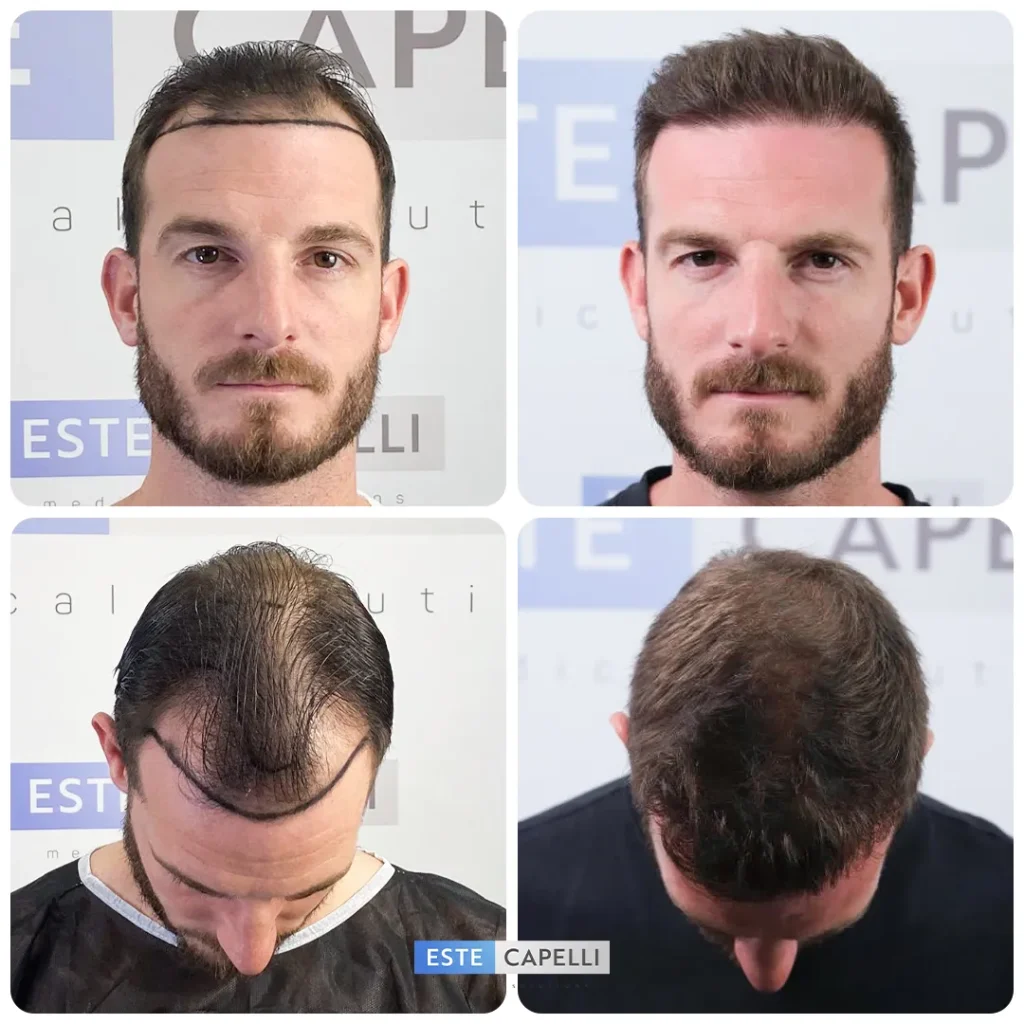
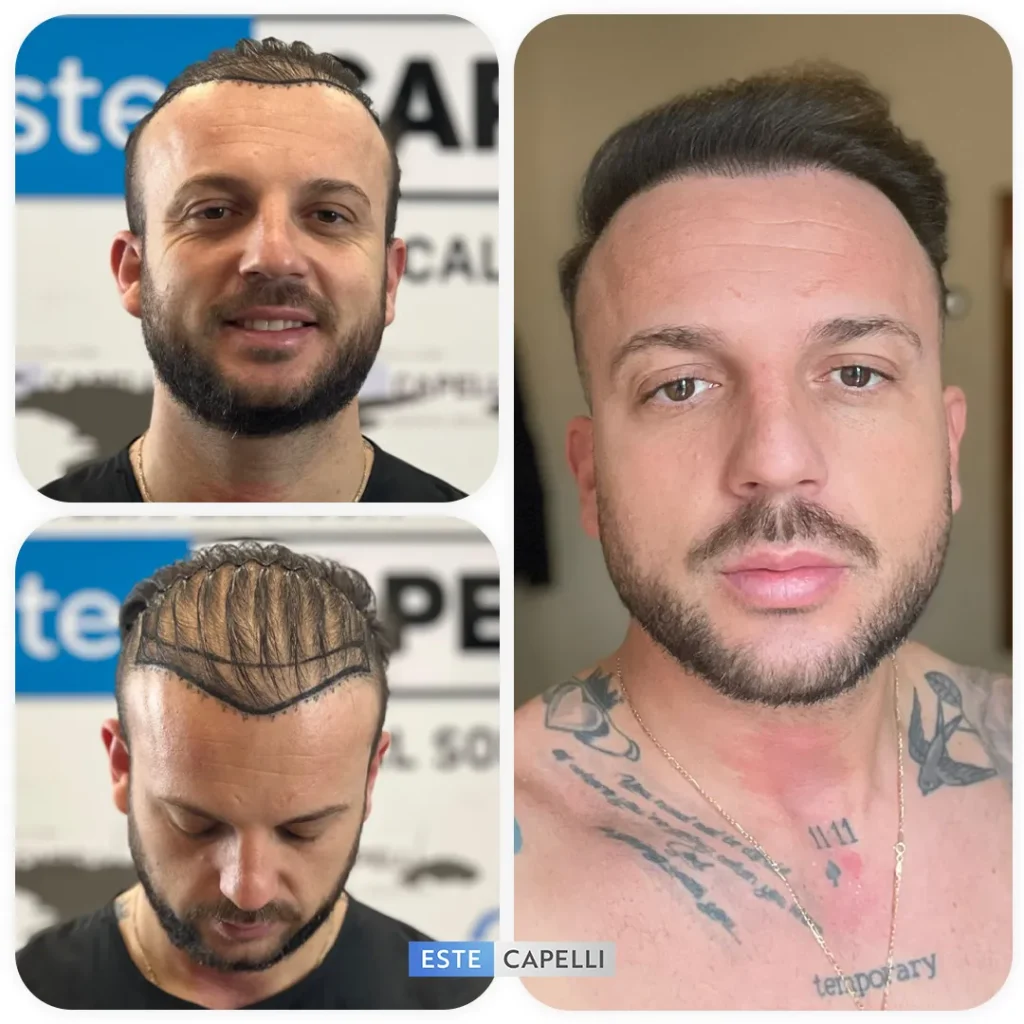
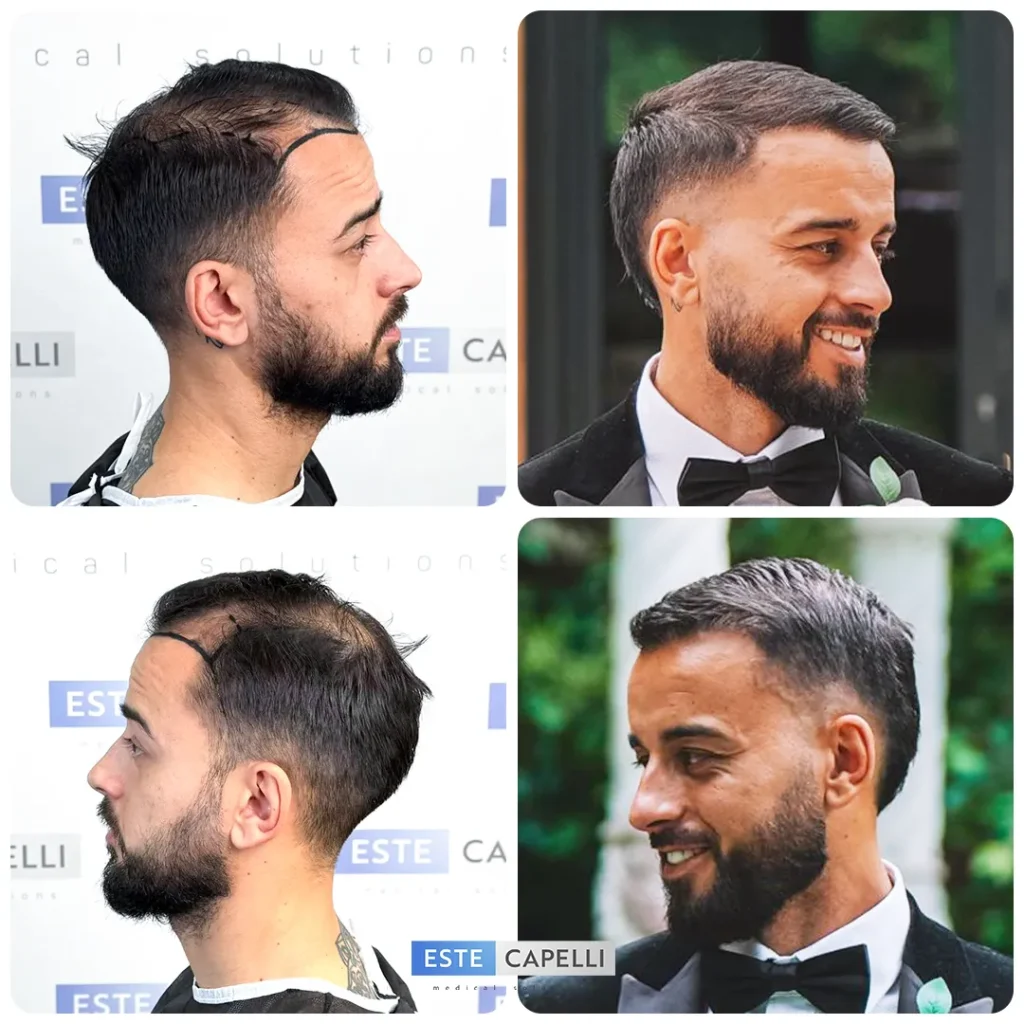
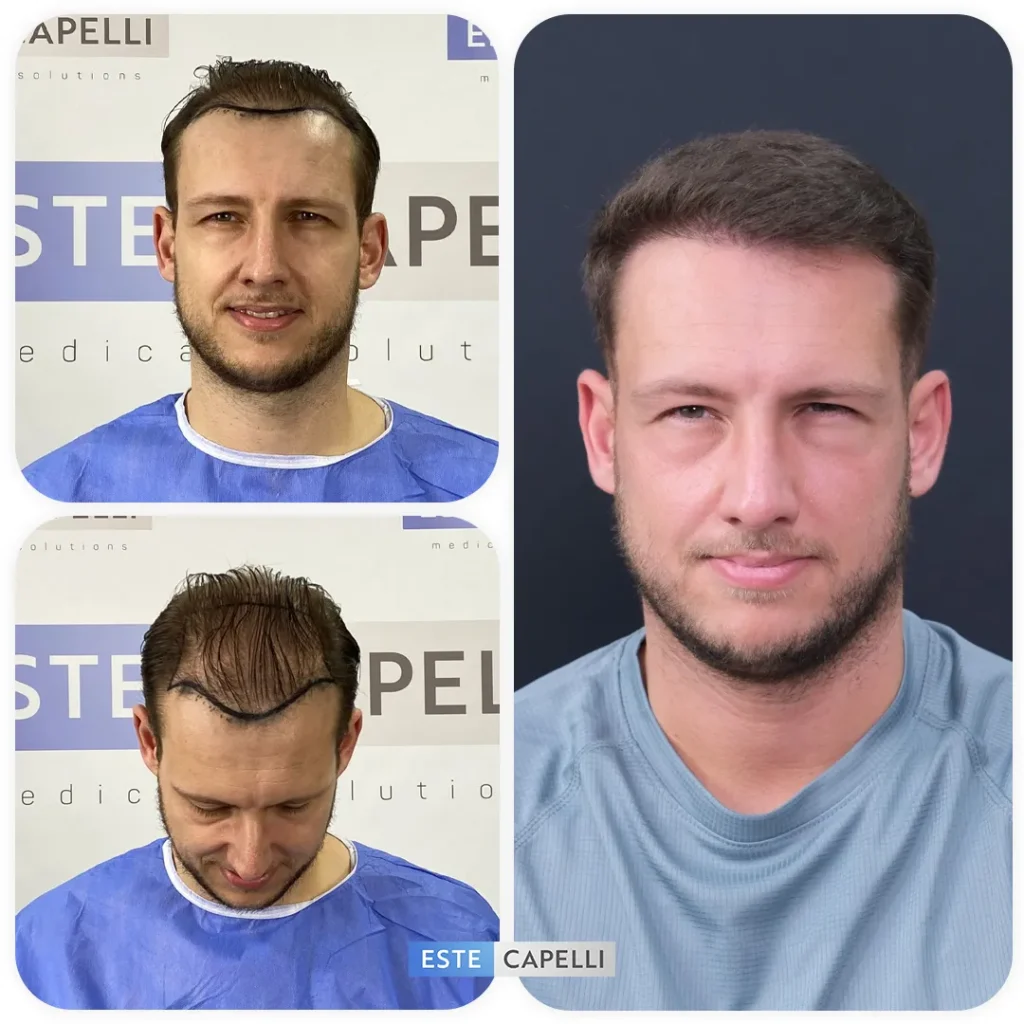
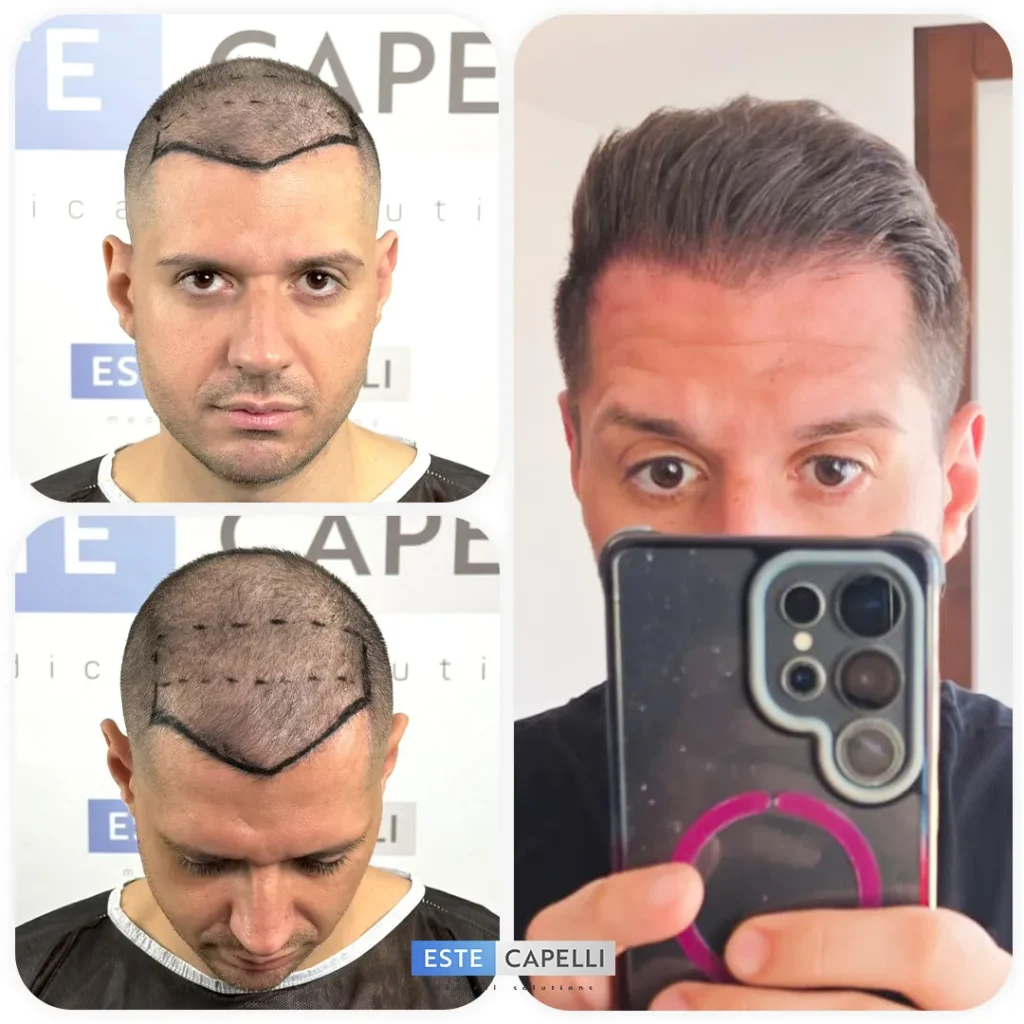
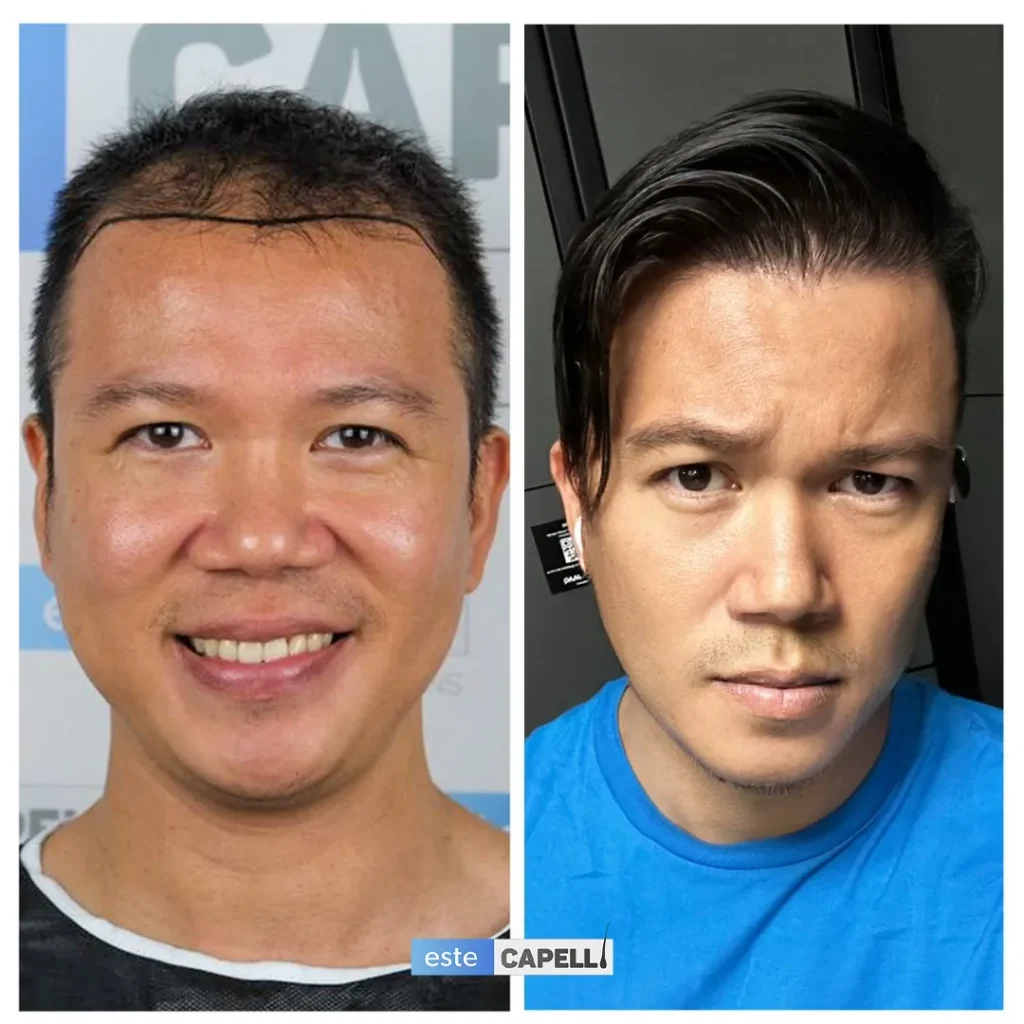
DHI — Before & After
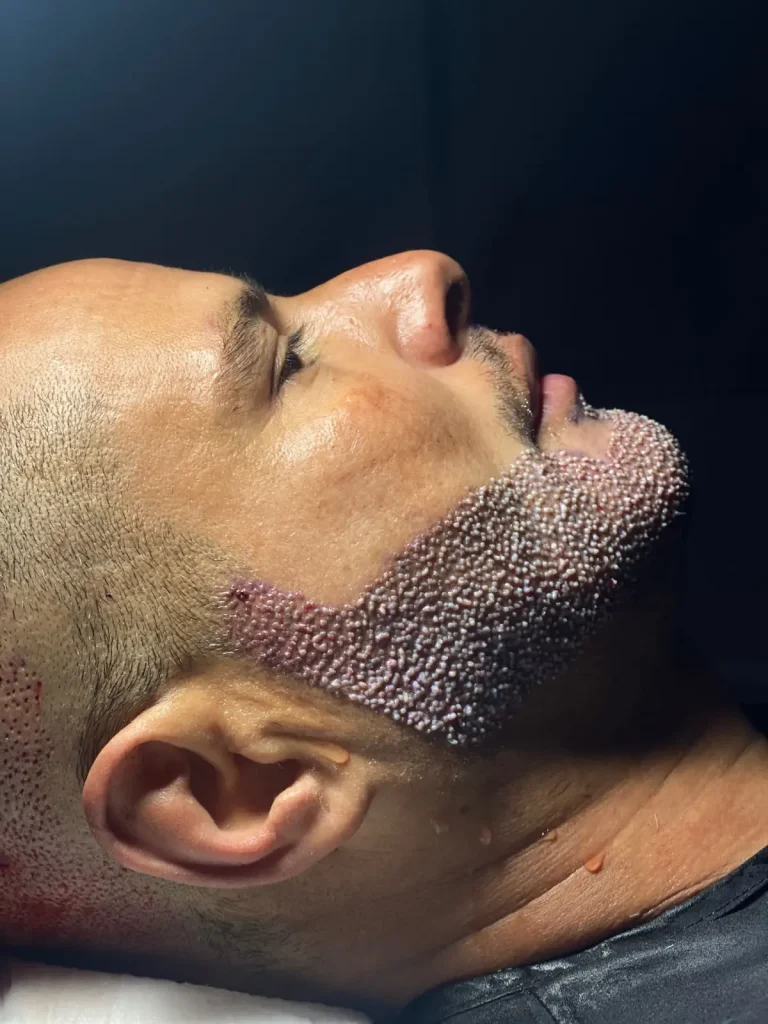
See the density and natural hairlines our patients achieve with DHI. Every result is planned around your own growth pattern, so the outcome blends seamlessly with your existing hair and looks completely natural.
Ready to Restore Your Hair with DHI?
Share a few details and our team will reply with a personalised DHI plan, a graft estimate and a no-obligation, all-inclusive quote — usually within a few hours.
- Free graft assessment from your photos
- Precise, often shave-free direct implantation
- Fast reply from our dedicated patient-care team
- Multilingual support at every step