


Who Performs Your Hair Transplant? Hair Transplant Surgeon vs Technician Roles Explained
Short answer: in a properly run clinic, the hair transplant surgeon is responsible for the medical decisions and the surgical steps: diagnosis, donor planning, hairline design and the critical incisions.…
 September 28, 2026
7 min read
September 28, 2026
7 min read
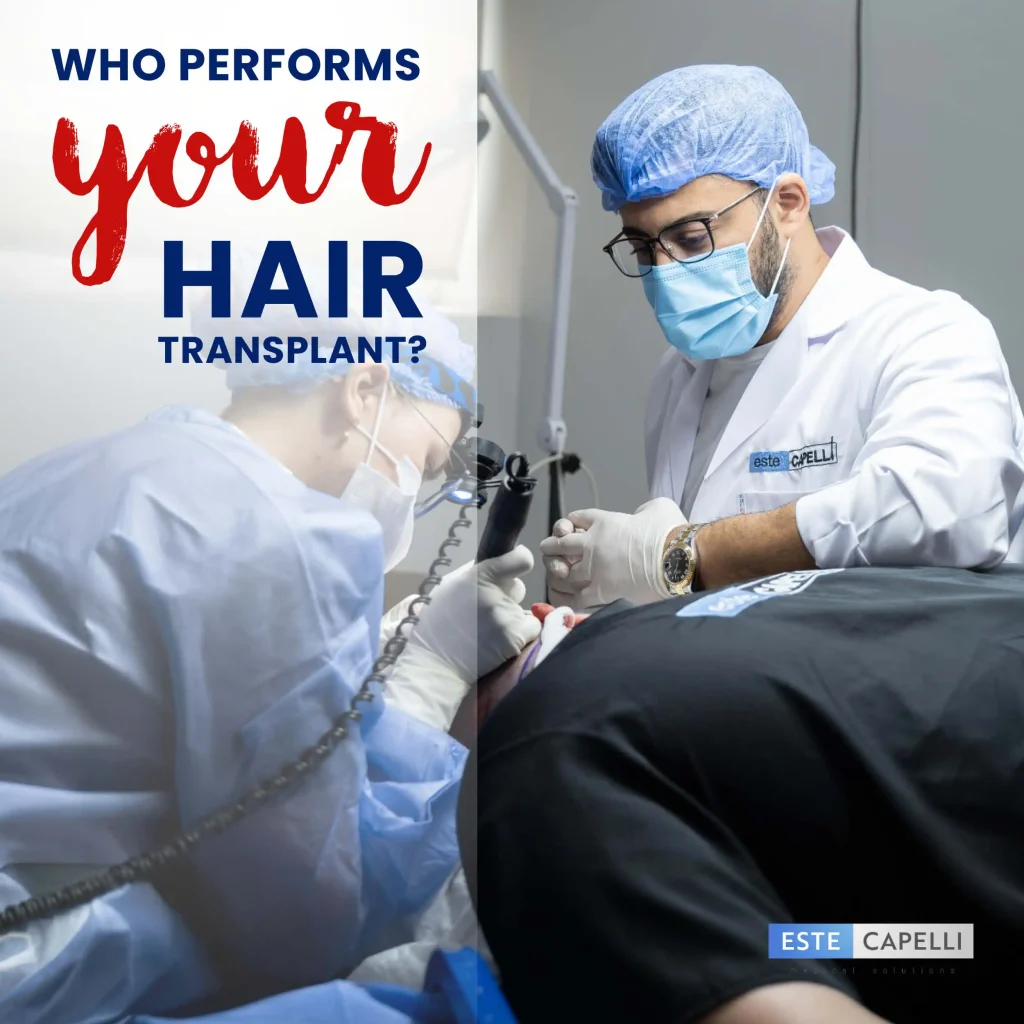
Short answer: in a properly run clinic, the hair transplant surgeon is responsible for the medical decisions and the surgical steps: diagnosis, donor planning, hairline design and the critical incisions. Trained technicians support the surgeon with graft handling, sorting, hydration and, under supervision, placement. The problem is not that technicians exist. The problem is clinics where technicians do the surgery and the surgeon is only a name on the website.
If you are comparing clinics, “who actually performs my procedure?” is one of the most important questions you can ask. This guide explains what a hair transplant surgeon does, what technicians do, where the line should be drawn according to international standards, and how to check it before you book.
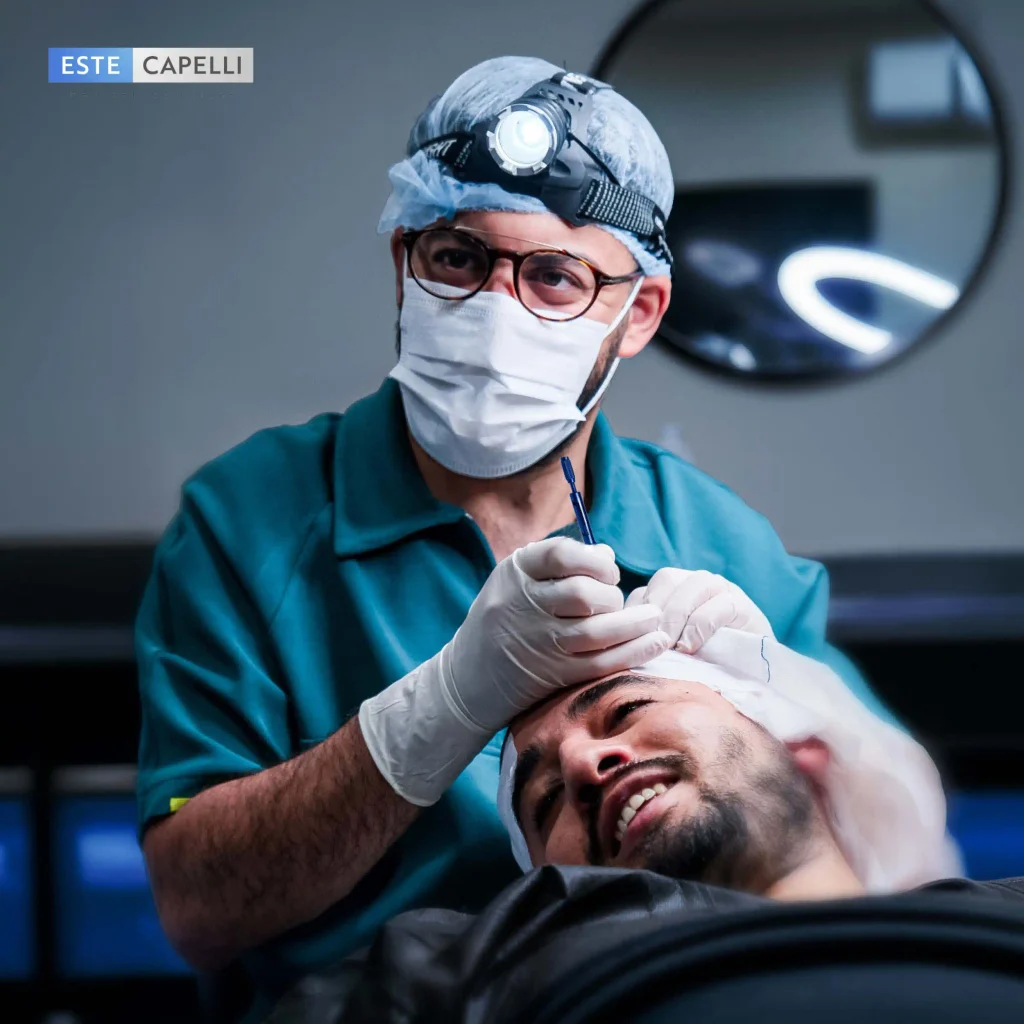
Who Performs a Hair Transplant: the Surgeon or the Technicians?
Both are involved, but they should not have the same job. A hair transplant is a team procedure that often lasts 6 to 8 hours and involves thousands of grafts, so no single person does every movement. What matters is which steps the hair transplant surgeon keeps for themselves and which steps are delegated.
The International Society of Hair Restoration Surgery (ISHRS) states that identifying, harvesting and transplanting follicular units requires the training and skill of a physician hair restoration specialist. Its FUE guidelines go further and describe the delegation of the excision step to non-physicians as one of the most controversial issues in the field.
What Does a Hair Transplant Surgeon Do?
The hair transplant surgeon owns every decision that shapes your result and your safety. In a surgeon-led procedure, these responsibilities sit with the doctor:
- Diagnosis: confirming the type and stage of hair loss and ruling out conditions where surgery is not appropriate.
- Donor assessment: estimating how many grafts can be taken safely without overharvesting the back of the head.
- Hairline design: drawing a hairline that suits your age, face and future hair loss, not just today’s photos.
- Anaesthesia and medical safety: local anaesthesia, medical history review and handling any complication.
- Surgical incisions: the steps that cut the skin, which decide graft survival, density, angle and direction.
- Supervision: checking graft quality and the team’s work throughout the session.
These are the steps that cannot be corrected later. A poorly placed hairline or an overharvested donor area can be permanent, which is why they belong to a qualified hair transplant surgeon.
What Do Hair Transplant Technicians Do?
Technicians, sometimes called surgical assistants, are an essential part of any serious hair restoration team. Their role is precision support work that protects the grafts once they leave the scalp:
- Preparing the patient and the operating room
- Sorting grafts by the number of hairs (1, 2, 3 or 4 hair units)
- Checking and trimming grafts under magnification
- Keeping grafts hydrated and cool in storage solution
- Placing grafts into sites the surgeon has already created, under supervision
- Counting grafts and keeping procedure records
Experienced technicians improve graft survival and shorten the time grafts spend outside the body. A good team is a strength, as long as the surgical decisions stay with the doctor.
Surgeon vs Technician: Who Should Do Each Step?
The table below summarises the standard described by international hair restoration bodies. It is a practical reference you can use during any consultation.
| Procedure step | Hair transplant surgeon | Technician |
|---|---|---|
| Diagnosis and candidacy | Yes, always | No |
| Donor capacity and graft planning | Yes, always | No |
| Hairline design | Yes, always | No |
| Local anaesthesia | Yes, or medically qualified staff | No |
| Extraction incisions (FUE punching) | Yes, per ISHRS position | Should not perform independently |
| Graft sorting, trimming, hydration | Supervises | Yes |
| Recipient site creation (channels or incisions) | Yes, always | No |
| Graft placement into prepared sites | Supervises | Yes, under supervision |
| Post-op instructions and follow-up | Responsible | Assists |
The two steps patients should focus on are extraction and recipient site creation. Recipient sites decide the angle, direction and density of every hair, so they decide how natural the final result looks. This applies whether the implantation is done with sapphire blades in Sapphire FUE or with implanter pens in DHI hair transplant.
Why Does It Matter if a Hair Transplant Surgeon Is in Charge?
It matters because the most serious hair transplant problems come from medical judgement errors, not from slow graft sorting. When a hair transplant surgeon is not really in charge, the typical outcomes are:
- Overharvested donor area: a thin, patchy back of the head that cannot be repaired.
- Unnatural hairline: too low, too straight or too dense for the patient’s age.
- Wrong angles: hairs growing in directions that cannot be styled.
- Poor growth: damaged grafts or incorrect depth leading to low survival.
- Unmanaged complications: no qualified doctor present if something goes wrong.
The ISHRS has run a long-running consumer campaign warning patients about illegal clinics where unlicensed technicians perform surgery with minimal or no physician involvement. Many repair cases seen by specialists worldwide trace back to this model.
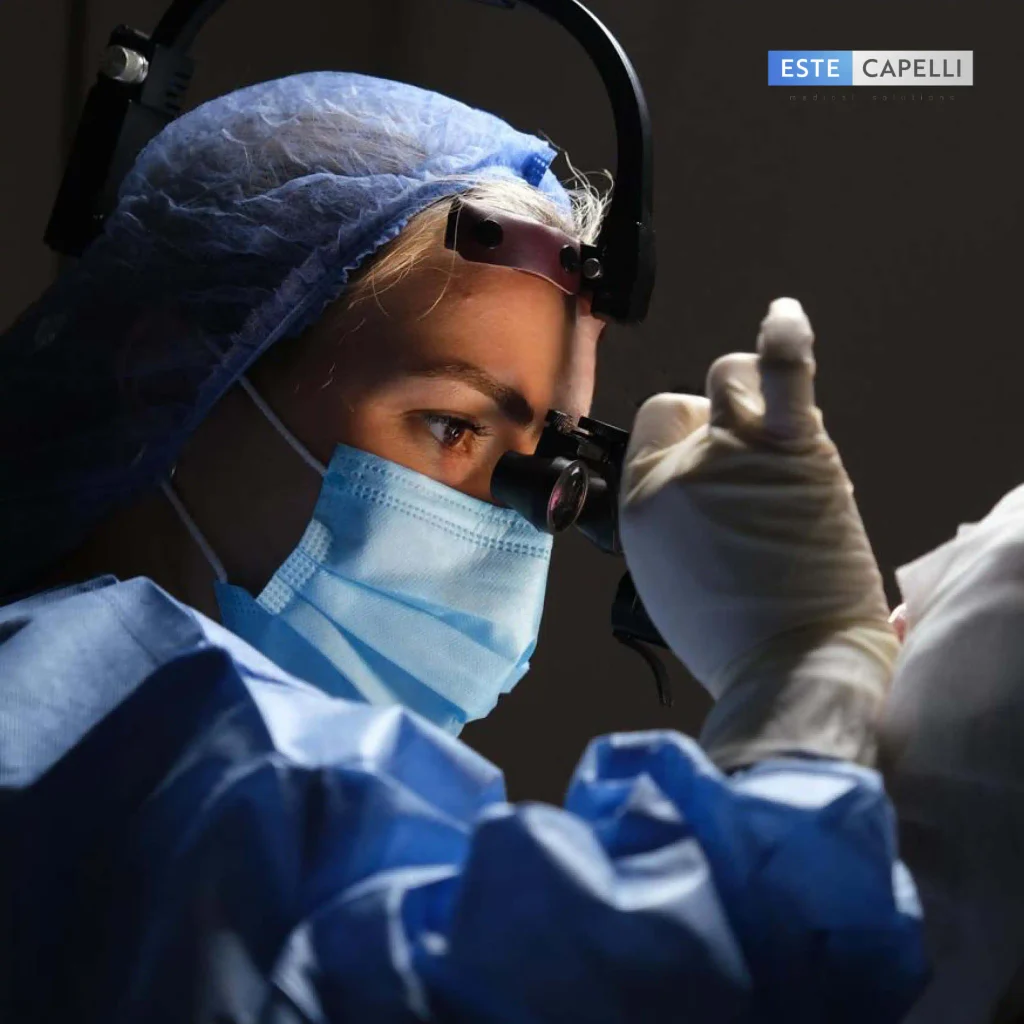
What Is a “Technician-Led” or Ghost Surgeon Clinic?
A technician-led clinic is one where a doctor appears in marketing or the consultation, but technicians carry out most or all of the surgical work. Sometimes one doctor is listed for many operating rooms running at the same time, which makes real involvement impossible.
Common warning signs include:
- No named hair transplant surgeon on the booking confirmation
- Very high daily patient volume in the same clinic
- Prices far below the normal market range
- Vague answers when you ask who makes the incisions
- Pressure to book or pay a deposit the same day
- Consultations handled only by sales staff, with no medical assessment
One sign alone does not prove a problem, but several together deserve a closer look.
How Can You Check Who Will Perform Your Procedure?
You can verify this before travelling by asking direct questions and asking for the answers in writing. A transparent clinic will answer every one of them clearly:
- Who is my hair transplant surgeon, and what are their qualifications?
- Which steps will the surgeon personally perform? Ask specifically about hairline design, extraction and recipient sites.
- How many patients does the surgeon treat per day?
- How experienced is the technician team, and are they permanent staff?
- Will I meet the surgeon before the procedure, not only a coordinator?
- Who handles follow-up and complications after I return home?
For a broader checklist on comparing clinics, read our guide to the best hair transplant in Turkey and our complete expert guide to hair transplant in Turkey.
Is It a Bad Sign if Technicians Are Part of the Team?
No. A hair transplant with no technicians at all is unusual, because placing 2,500 to 4,000 grafts in one day requires several trained hands. Well organised teams protect grafts better and reduce operating time.
The right question is not “are there technicians?” but “is the hair transplant surgeon making the medical decisions and performing the surgical steps?” Team support with surgeon leadership is the standard. Technicians replacing the surgeon is the risk.
How Estecapelli Approaches the Surgeon and Team Roles
At Estecapelli in Istanbul, every procedure is planned under specialist medical supervision, and our team has worked together since 2010, treating more than 15,000 patients from over 40 countries. Every plan starts with a TrichoLab AI analysis and a medical assessment of your donor area and hair loss pattern.
We work with a fixed-price model and a dedicated, permanent team, and we encourage every patient to ask exactly who does what on the day of surgery. Whether you are considering Exosome FUE, Sapphire FUE or DHI, you will know your medical team before you travel.
Ask Our Medical Team on WhatsApp
Frequently Asked Questions About Hair Transplant Surgeons and Technicians
Does the hair transplant surgeon do the whole procedure alone?
No. A hair transplant is a team procedure. The hair transplant surgeon handles diagnosis, planning, hairline design and the surgical incisions, while trained technicians assist with graft sorting, storage and placement under supervision.
Is it legal for technicians to perform FUE extraction?
Rules differ by country. The ISHRS position is that FUE excision must be performed by a properly trained and licensed physician, and it considers delegating this step to non-physicians improper. Always ask the clinic who performs extraction in your case.
Which step matters most for a natural result?
Hairline design and recipient site creation matter most, because they decide the angle, direction and density of every transplanted hair. Both should be done by the hair transplant surgeon.
How many patients should a hair transplant surgeon treat per day?
There is no single official number, but a surgeon cannot properly lead many procedures running at the same time. Ask how many patients are scheduled on your surgery day and how the surgeon’s time is divided.
How can I confirm who will perform my hair transplant?
Ask for the name and qualifications of your hair transplant surgeon, request a written list of which steps they perform personally, and make sure you meet them in person before the procedure begins.
Hair Transplant Istanbul: 7 Proven Reasons It’s the Best
If you are planning a hair transplant Istanbul trip, you have probably noticed that one city dominates almost every conversation about hair restoration abroad.…
Read more
How Many Grafts Can You Get in a No Shave Hair Transplant?
Quick answer: In a fully unshaven procedure, no shave hair transplant grafts usually top out at about 1,500 per session. A partial or “hidden…
Read more
Does HIV Cause Hair Loss? Causes, Regrowth and What Helps
HIV Hair Loss 2026: Complete Expert Guide | EsteCapelli HIV hair loss is real for some people, but it is rarely caused by the…
Read more