


Does HIV Cause Hair Loss? Causes, Regrowth and What Helps
HIV Hair Loss 2026: Complete Expert Guide | EsteCapelli HIV hair loss is real for some people, but it is rarely caused by the virus acting on hair directly. Hair…
 September 21, 2026
5 min read
September 21, 2026
5 min read
HIV Hair Loss 2026: Complete Expert Guide | EsteCapelli
HIV hair loss is real for some people, but it is rarely caused by the virus acting on hair directly. Hair shedding in people living with HIV usually comes from the body’s stress response, nutritional gaps, other infections, or certain medications, not from HIV attacking the follicle itself. In most cases the shedding is temporary and the hair grows back once the underlying trigger is treated.
This guide explains why hair changes happen, what the science says, and what usually helps, so you can tell ordinary shedding apart from a sign that needs medical attention.
How HIV Hair Loss Actually Happens
When the immune system is under strain, the body can push a large share of hair follicles into their resting phase at the same time. Weeks later those hairs shed together, a pattern doctors call telogen effluvium. It looks alarming because the loss is diffuse across the scalp, but the follicles are not damaged. This is the mechanism behind most HIV hair loss.
Several factors linked to HIV can trigger this pattern:
- Physical and emotional stress around diagnosis or illness
- Nutritional shortfalls, especially iron, zinc, and protein
- Fever or secondary infections
- Rapid weight loss
- Thyroid changes that sometimes accompany chronic illness
Because these triggers are treatable, the resulting shedding is usually reversible.
Do HIV Medications Cause Hair Loss?
Modern antiretroviral therapy (ART) keeps most people healthy and, by controlling the virus, often protects hair rather than harming it. A small number of older medicines were associated with hair thinning, but this is uncommon with today’s regimens. If you notice shedding after starting a new medication, do not stop it on your own. Talk to the prescribing doctor, who can review whether the timing is related and adjust care if needed.
Does HIV Change Hair Texture?
Some people notice their hair becoming finer, drier, or more brittle. This is usually a knock-on effect of nutrition, general health, and the same resting-phase shedding described above, rather than the virus reprogramming the hair shaft. As overall health stabilizes with treatment, texture changes often settle on their own.
Is HIV-Related Hair Loss Permanent?
For the large majority of people, no. Telogen effluvium and nutrition-related shedding grow back once the trigger is addressed, though full regrowth can take several months. Permanent loss is only likely when a separate cause is also present, such as male or female pattern hair loss, which is genetic and follows its own timeline regardless of HIV status.
This is the key question to answer with a doctor: is the shedding temporary and diffuse, or is it a patterned, progressive thinning that would continue anyway? The answer decides whether you simply wait for regrowth or consider a longer-term plan.
What Helps HIV-Related Hair Loss
Most cases respond to a few practical steps, ideally guided by your care team:
- Stay consistent with antiretroviral therapy, since stable health is the strongest support for healthy hair
- Correct nutritional gaps, particularly iron, zinc, vitamin D, and protein, based on blood tests
- Treat any thyroid or hormonal issues your doctor finds
- Be gentle with the hair you have, avoiding harsh chemical treatments during a shedding phase
- Give regrowth time, since visible recovery often takes three to six months
When Hair Loss Is Genetic, Not HIV
If your thinning follows the classic pattern of a receding hairline or a thinning crown, it is most likely genetic and will not reverse with nutrition alone. Once the condition is stable and a doctor confirms you are a suitable candidate, a hair transplant can restore density permanently. Living with HIV does not automatically rule this out. We cover eligibility, safety, and what to expect in our dedicated guide on hair transplants for HIV positive patients.
If you are unsure which type of hair loss you have, the simplest next step is a professional assessment. You can request a free hair assessment on WhatsApp and get an honest opinion before deciding on anything.
Frequently Asked Questions
Does HIV cause hair loss in everyone?
No. Many people living with HIV never experience noticeable shedding. When it does happen, it is usually tied to stress, nutrition, other infections, or medication timing rather than the virus itself.
Can HIV cause hair loss before diagnosis?
It can. Diffuse shedding sometimes appears during an early illness or a period of fever and weight change, which is why sudden, unexplained hair loss is worth discussing with a doctor.
Will my hair grow back after HIV-related hair loss?
In most cases yes, once the underlying trigger is treated. Regrowth commonly takes three to six months. Loss that follows a genetic pattern is the exception and needs a different plan.
Can a person with HIV get a hair transplant?
Often yes, when the condition is well managed and a doctor confirms suitability. Read our full guide on hair transplants for HIV positive patients for the details on safety and eligibility.
Which vitamins help with HIV-related hair shedding?
Iron, zinc, vitamin D, and adequate protein are the most common gaps. Correct them based on blood tests rather than guessing, since too much of some nutrients can be harmful.
HIV hair loss can be worrying, but for most people living with HIV it is temporary and manageable. If you want a clear read on your own situation, talk to our team for a free assessment.
Shock Loss After a Hair Transplant: Why It Happens & How to Reduce It
Quick answer: Shock loss after a hair transplant is temporary shedding that usually starts 2 to 8 weeks after surgery. Transplanted hairs fall out…
Read more
Hair Transplant Complications & Failure Rates: What’s Actually Normal
Quick answer: Serious hair transplant complications are uncommon. Large clinical series put the overall complication rate at about 1.2% to 4.7%, and most events…
Read more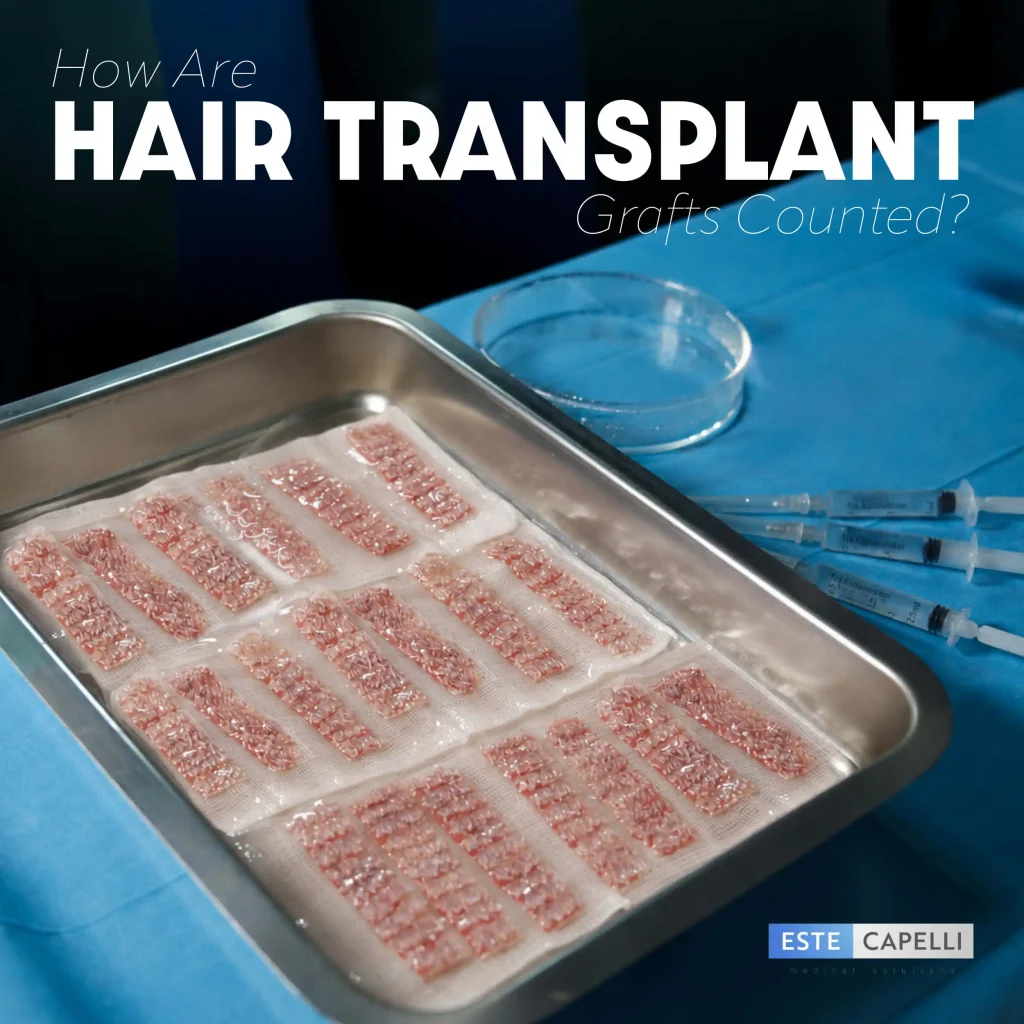
How Are Hair Transplant Grafts Counted? Grafts vs Density Explained
Quick answer: A hair transplant graft is one follicular unit, a natural cluster of 1 to 4 hairs, so the hair transplant graft count…
Read more